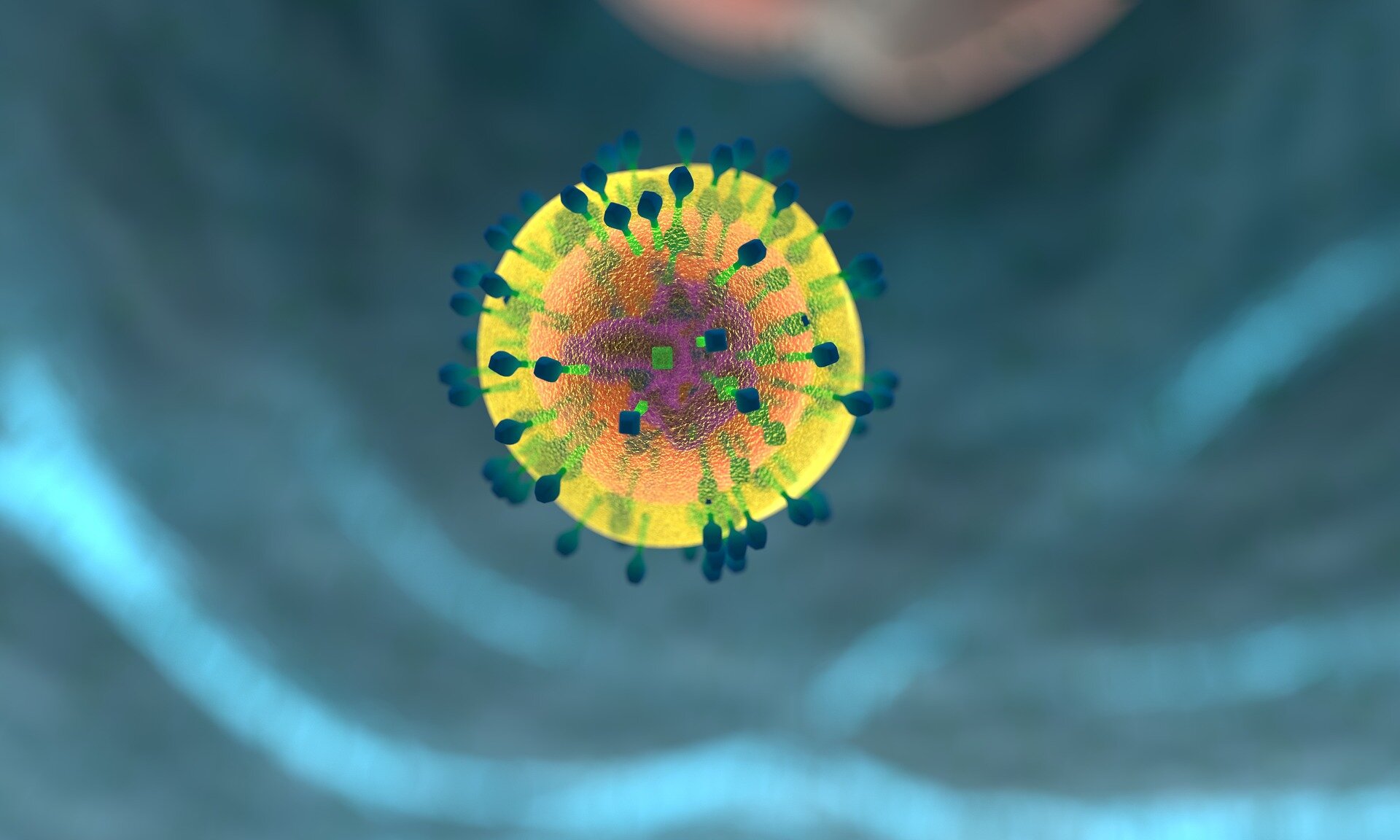
More than 167,000 T cells from cancer patients helped researchers at Memorial Sloan Kettering Cancer Center (MSK) build a tool to better predict how these immune cells respond to treatment. The model could help explain why some T cells attack cancer after immunotherapy while others with seemingly similar features do not.
T cells are a key part of the immune system, and many cancer treatments aim to help them recognize and fight tumors. Yet immunotherapy does not work for most patients. One reason is that T cell behavior can be hard to read: Some cells respond when prompted, while others become inactive or fail to do what their receptors seem to equip them to do. A better way to measure that behavior could help researchers understand treatment responses more clearly.
The MSK team, led by computational biologists Benjamin Greenbaum, Ph.D., and Sohrab Shah, Ph.D., developed a statistical model using a method called TCRi, short for TCR information. The researchers used it to study data from more than 167,000 T cells taken from cancer patients treated with checkpoint inhibitors, a type of immunotherapy. Their findings were reported in Nature Genetics.
A T cell receptor is a genetic structure that can recognize a particular antigen, a protein fragment found on a cell, including a cancer cell. When a receptor finds its matching antigen, the T cell can make copies of itself with the same receptor. Researchers call this receptor clonality. A large group of T cells with matching receptors may appear to signal a strong immune response, but that number alone can mislead.
As Greenbaum noted, T cells in patients who do not respond to treatment can look highly clonal, even when they no longer act as if they recognize their target. The new approach looks beyond how many cells share a receptor. It measures the relationship between each cell’s receptor sequence and its gene expression pattern—the genes active inside the cell, which can offer clues about whether it is active, ready to respond, exhausted, or naive, meaning it has not yet met its target.
To make that comparison, the team drew on information theory, a branch of mathematics that measures information. They used single-cell technology to examine receptor sequences and gene activity in individual cells. TCRi provides a standardized measurement, Greenbaum said, making it possible to compare results across studies and clinical trials. That could help researchers identify what a meaningful T cell response looks like, rather than relying on receptor patterns alone.
The work included co-first authors Nicholas Ceglia, Ph.D., and Sohrab Salehi, Ph.D., from Shah’s lab, and Zachary Sethna, Ph.D., from MSK’s Olayan Center for Cancer Vaccines, directed by Vinod Balachandran, M.D. The researchers designed the approach to study responses to immunotherapies, including therapeutic cancer vaccines. It does not establish that the tool will make treatment effective for more patients, but it offers a way to examine why responses differ. By comparing T cell identity with what cells are actually doing, future studies may gain a clearer measure of how immunotherapies affect the immune system.