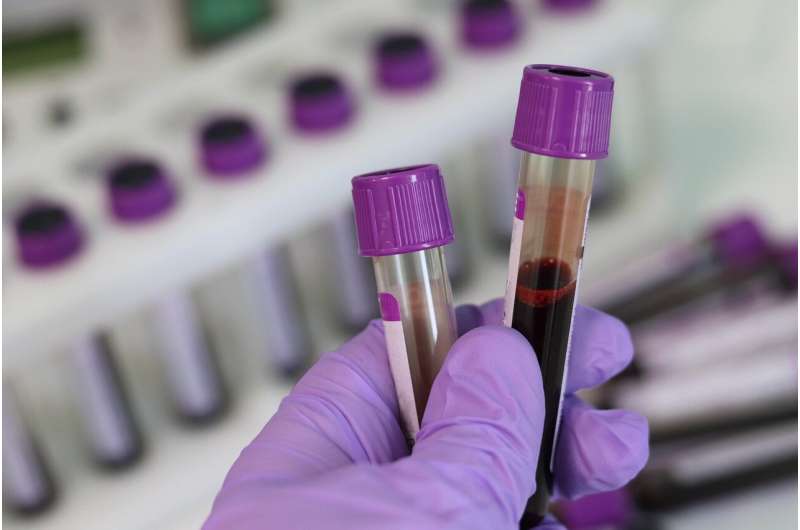
For 62 of the 63 patients in a Japanese study, a routine kidney-related blood marker rose after they began taking abemaciclib, a breast cancer drug. But the change did not necessarily mean their kidneys were being harmed.
Abemaciclib is widely used for hormone receptor-positive breast cancer, a type that grows in response to certain hormones. Doctors often use creatinine, a waste product measured in blood, to estimate how well the kidneys are working. The drug can affect transporter proteins that move creatinine out of the body. As a result, creatinine may build up even when kidney function has not worsened. A higher reading can still prompt extra tests, lower doses or pauses in treatment.
Researchers from Kanazawa University and Shinshu University studied 63 patients at Shinshu University Hospital: 62 women and one man. Their median creatinine level rose from 0.63 to 0.85 milligrams per deciliter after they started abemaciclib. The increase remained stable through 24 weeks of treatment and fell after treatment was interrupted.
The team also examined cystatin C, another blood marker used to assess kidney function. Unlike creatinine, cystatin C is not released through the same kidney transporters affected by the drug. Among the 29 patients who had cystatin C measured both before and during treatment, 28 showed opposite movements in the two markers. That mismatch suggests that creatinine alone may give a misleading picture while a patient is taking abemaciclib.
The researchers found a further reason to measure cystatin C before treatment starts: in 15 of those 29 patients, or 52%, the two markers already disagreed before the first dose. Without that starting point, doctors might mistake a pre-existing difference for a drug effect or kidney damage.
The findings, published in Clinical Pharmacology & Therapeutics, point to a practical step: record a patient's cystatin C level before starting abemaciclib, then use it as a personal reference alongside creatinine. That may help clinicians judge whether a rising creatinine reflects a change in kidney function or the drug's effect on how the marker is transported. It could also help avoid treatment changes prompted by a number that does not tell the whole story.
The study explored whether genetics might help explain why creatinine rose more in some patients. People with the GG type of a variation in the MATE1 transporter gene, SLC47A1, tended to have a larger increase. The authors describe this result as exploratory, and say larger studies are needed to confirm it.
For now, the researchers' message is measured: a creatinine rise during abemaciclib treatment is not, on its own, proof of kidney damage. Hiroaki Watanabe, an assistant professor at Kanazawa University's Faculty of Pharmacy, said a baseline cystatin C test gives each patient a reference point. Further research can clarify how best to use the two tests, but this approach could help patients stay on an effective cancer treatment when kidney function has not actually declined.