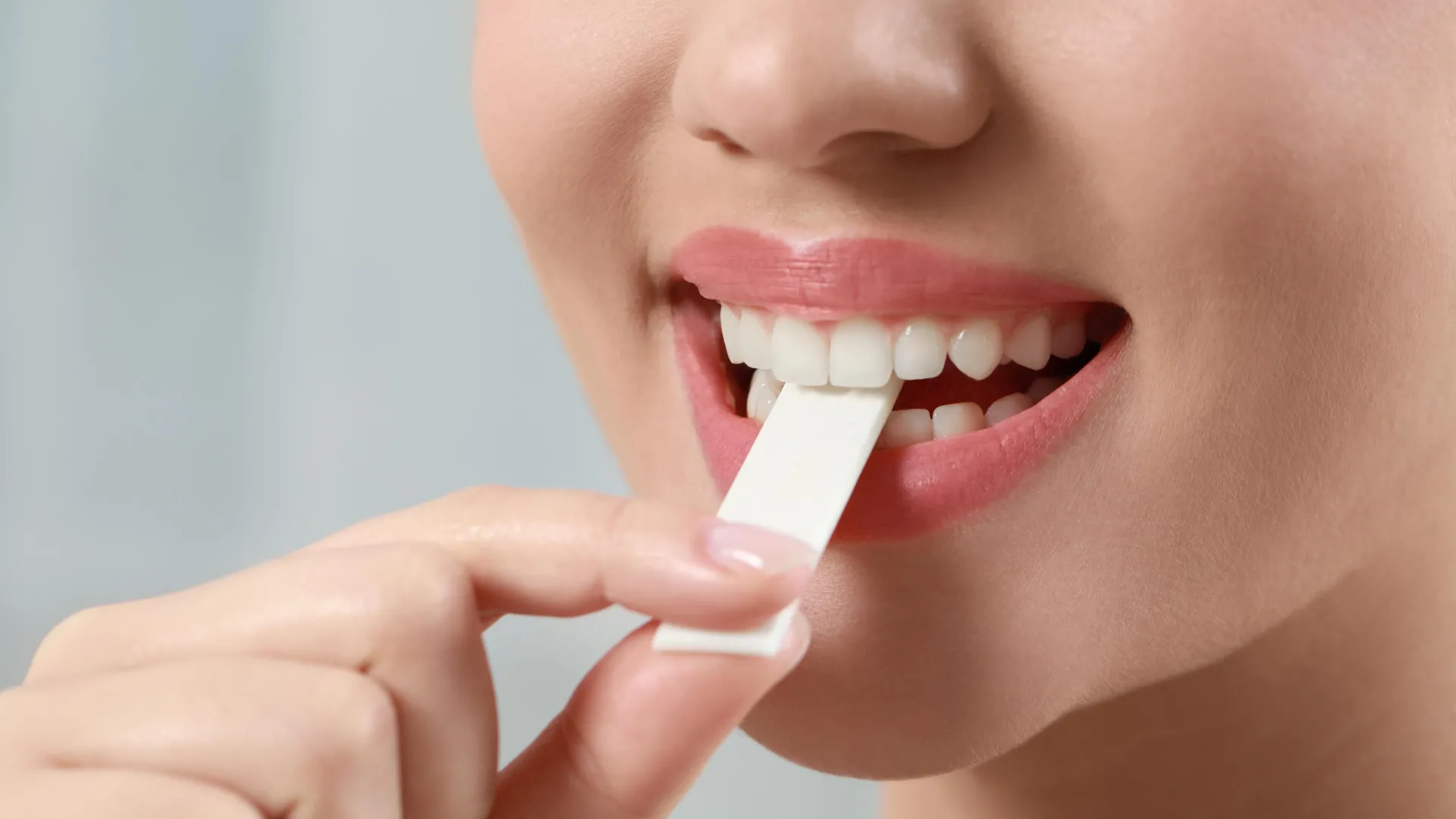
A gum made from lablab beans cut human papillomavirus (HPV) levels by as much as 93% in saliva samples from people with head and neck cancer, according to a University of Pennsylvania study. An upgraded version also drove two cancer-linked bacteria to almost undetectable levels in laboratory tests, while leaving the beneficial bacteria examined by researchers unharmed.
The results, published in Scientific Reports, point to a possible new way to target microbes in the mouth. Some oral viruses and bacteria have been linked to head and neck cancers or poorer outcomes for patients. The findings are early: researchers tested extracts from the experimental gum on samples, not whether chewing it prevents cancer or improves survival. Still, the approach could one day support existing care and offer a plant-based option that may be more affordable.
The research was led by Henry Daniell at the University of Pennsylvania School of Dental Medicine. His team has been studying whether specially engineered plants can produce proteins with medical uses. The gum is made from lablab beans and contains FRIL, a naturally occurring protein with antiviral properties. In tests on oral samples from cancer patients, the gum extract lowered HPV levels by 93% in saliva and 80% in oral rinse samples.
The researchers also developed a version containing protegrin, an antimicrobial peptide—a short chain of amino acids that can attack microbes. A single dose of this extract reduced Porphyromonas gingivalis, or Pg, and Fusobacterium nucleatum, or Fn, to almost undetectable levels. Both bacteria are associated with oral disease and poorer outcomes in some cancer patients.
That apparent selectivity matters because the mouth is home to many microbes that are harmless or helpful. Treatments such as radiation can disrupt this balance, reducing beneficial bacteria while allowing harmful organisms, including the yeast Candida albicans, to grow. In the study, the gum extract reduced the targeted bacteria without affecting the beneficial bacterial populations the researchers examined.
The work addresses a need for better ways to prevent infections and help people with head and neck squamous cell carcinoma, a cancer of the tissues lining the mouth and throat. Advanced disease can be difficult to treat. Daniell has noted that recently approved cancer medicines have generally not brought major gains in quality of life or five-year survival, underscoring the search for additional strategies.
The results do not yet show that the gum can prevent cancer, treat an infection in patients, or change cancer outcomes. Further research will be needed to establish whether the effects seen in samples translate to people who use the gum. For now, the study offers a specific lead: a bean-based delivery method that reduced HPV in patient samples and sharply lowered two harmful bacteria while sparing the beneficial microbes tested.