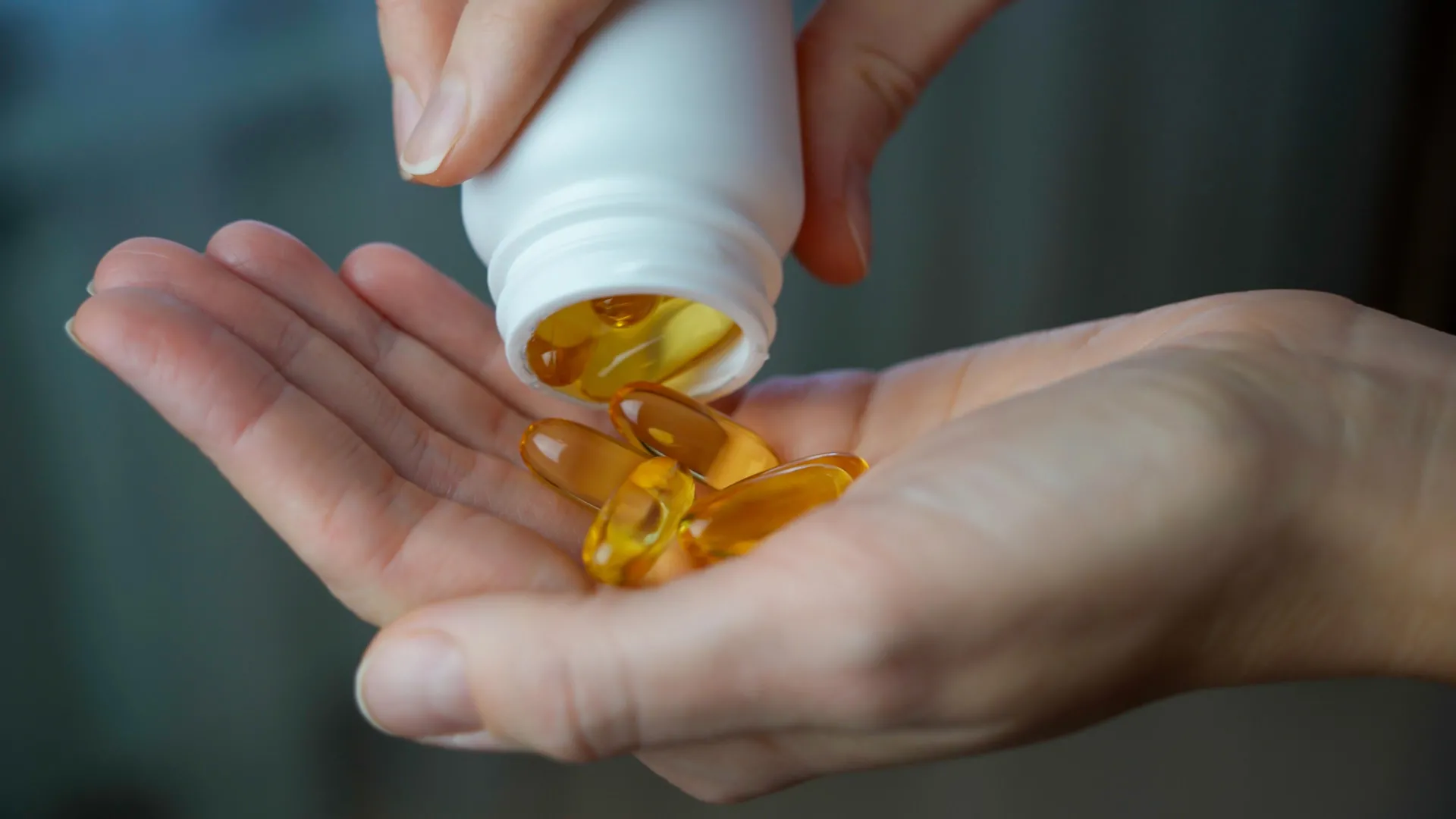
In a Beijing lab, researchers found that a familiar supplement made from vitamin B5 may quiet immune cells that help drive psoriasis. The supplement, pantethine, prevented the skin disease in mice and was linked to better symptoms in a small trial involving people.
Psoriasis is an autoimmune condition: the body’s defenses mistakenly fuel ongoing inflammation. The new findings, published October 27 in the Journal of Experimental Medicine, point to a surprising part of that process: cholesterol production inside immune cells. Pantethine is already sold as a nutritional supplement and is commonly used to help lower blood cholesterol. The research suggests it may also affect the immune activity behind psoriasis.
The team, led by Wei-Na Zhang of the State Key Laboratory of Biomedical Analysis in Beijing, studied dendritic cells. These cells help direct the immune response by showing potential threats to T cells and sending out signals that promote inflammation. When dendritic cells become too active, they can help sustain autoimmune disease.
The researchers found unusually high levels of enzymes called Vanins in dendritic cells from people with psoriasis and several other autoimmune diseases. Vanins convert pantethine into vitamin B5. In experiments, reducing Vanin levels made the dendritic cells less active and less able to stimulate T cells. A drug designed to block Vanins also stopped psoriasis from developing in mice.
The team traced the effect to a chain of changes inside the cells. Too much Vanin activity leaves less pantethine available, and cholesterol production then rises. Since cholesterol can stimulate dendritic cells, that increase may help push them into overactivity. Restoring pantethine reduced cholesterol buildup in the cells and helped calm the immune response. The researchers say this offers a possible explanation for why pantethine could ease inflammation, though the work does not yet establish how well it will work as a treatment for people.
To explore that question, the scientists ran a small clinical trial with 24 people with psoriasis. Everyone used a topical ointment containing calcipotriene and betamethasone, medicines used to control psoriasis symptoms. Half also took pantethine tablets. After 12 weeks, those taking the supplement alongside the ointment showed greater improvement than those using the ointment alone. The difference was especially noticeable among people who had high blood cholesterol before treatment.
The trial is an early sign, not proof that people should use pantethine to treat psoriasis. It was small, and the reported results do not establish whether the supplement is safe or effective for wider groups over longer periods. Still, the findings connect a widely available supplement to a specific immune and metabolic pathway, giving researchers a new lead to test.
The next step is larger research to confirm the benefit and identify which patients might respond best. For now, the study offers a hopeful possibility: a better understanding of how cholesterol and immune cells interact could point toward new ways to reduce psoriasis inflammation.