In Naidiri village in Fiji, residents have paid from their own pockets to restore coral reefs and fish stocks in a marine protected area. Their effort shows both what coastal communities can do to protect the ocean and why many say they need more support.
At COP31 in Antalya, Türkiye, ocean protection has reached the first draft of a possible climate deal. That is a notable step: oceans help regulate the climate, but they have often received less attention in international climate talks. The draft reflects a push by conference co-hosts Australia and Türkiye to strengthen ocean action. It is not yet certain that the ocean provisions will remain in the final text. Ministers still face major differences over the broader deal, with a deadline on Friday and the conference set to close on 20 November.
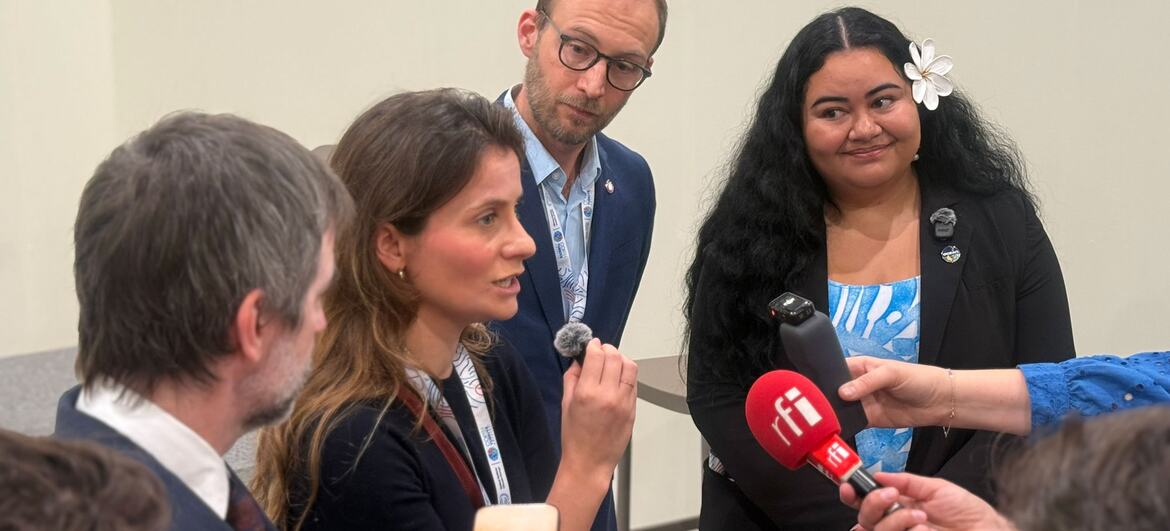
Marine Lecerf, head of international policy at the Ocean and Climate Platform, said the priority is to carry out promises already made, rather than create a new mandate. “We’re not asking for a new mandate, we're asking for acceleration,” she told reporters on Tuesday.
A new analysis presented at COP31 found that more than 95 per cent of coastal and island nations include ocean-related measures in their national climate plans. But about 60 per cent of those commitments rely on extra funding or technical help. Pacific youth climate envoy Brianna Fruean said the gap is already a burden for communities. Naidiri residents have financed their own marine protected area, restoring reefs and fish stocks that support the waters they depend on. “They shouldn't be taking money out of their own pockets to pay for these adaptation measures,” Fruean said.
The ocean also absorbs around 90 per cent of the extra heat caused by global warming, but that role comes at a cost. Warming threatens coral reefs, fisheries and coastal communities. And scientists still have a limited picture of what lies beneath the surface. Joanna Post, who leads ocean observations at UNESCO’s Intergovernmental Oceanographic Commission, said only about 28 per cent of the seafloor has been mapped. “Satellites cannot see beyond the surface of the ocean,” she said.
One effort to fill those gaps uses environmental DNA, or eDNA: genetic traces that plants and animals leave in water. UNESCO’s eDNA Expeditions programme is working at 25 marine sites around the world. Local communities and schoolchildren collect samples every three months. The information may help governments spot species moving into new habitats as waters warm and decide which areas need protection. Canada and the European Union also sought more backing at COP31 for OceanEye, an international partnership with UNESCO to strengthen ocean monitoring. Post called for steady investment rather than short-term research projects.
Türkiye announced another practical step on Tuesday: its Marine Litter Action Platform, which links pollution-prevention work with expertise and financing. It includes efforts to address abandoned fishing nets that can trap turtles, seabirds and other marine life.
The negotiations will determine whether ocean measures in the draft become part of the final COP31 deal. For communities already trying to protect reefs and shorelines, the key question is not only whether governments recognize the ocean’s role, but whether they provide the funding and knowledge needed to act.