Three of five seats on Georgia’s Public Service Commission will belong to Democrats starting in January, giving the party its first majority on the state’s powerful utility regulator in 30 years. The shift comes as households face rising power bills and Georgia debates who should pay for the huge amounts of electricity used by data centers.
The commission oversees utilities including Georgia Power, the state’s largest electric provider. Its decisions can shape customer rates and determine how the company plans for future energy needs. The new Democratic majority says it will focus on affordability, clean energy, and closer examination of Georgia Power’s plans. The outcome will matter to families and small businesses, though experts caution that lower bills will not arrive overnight.
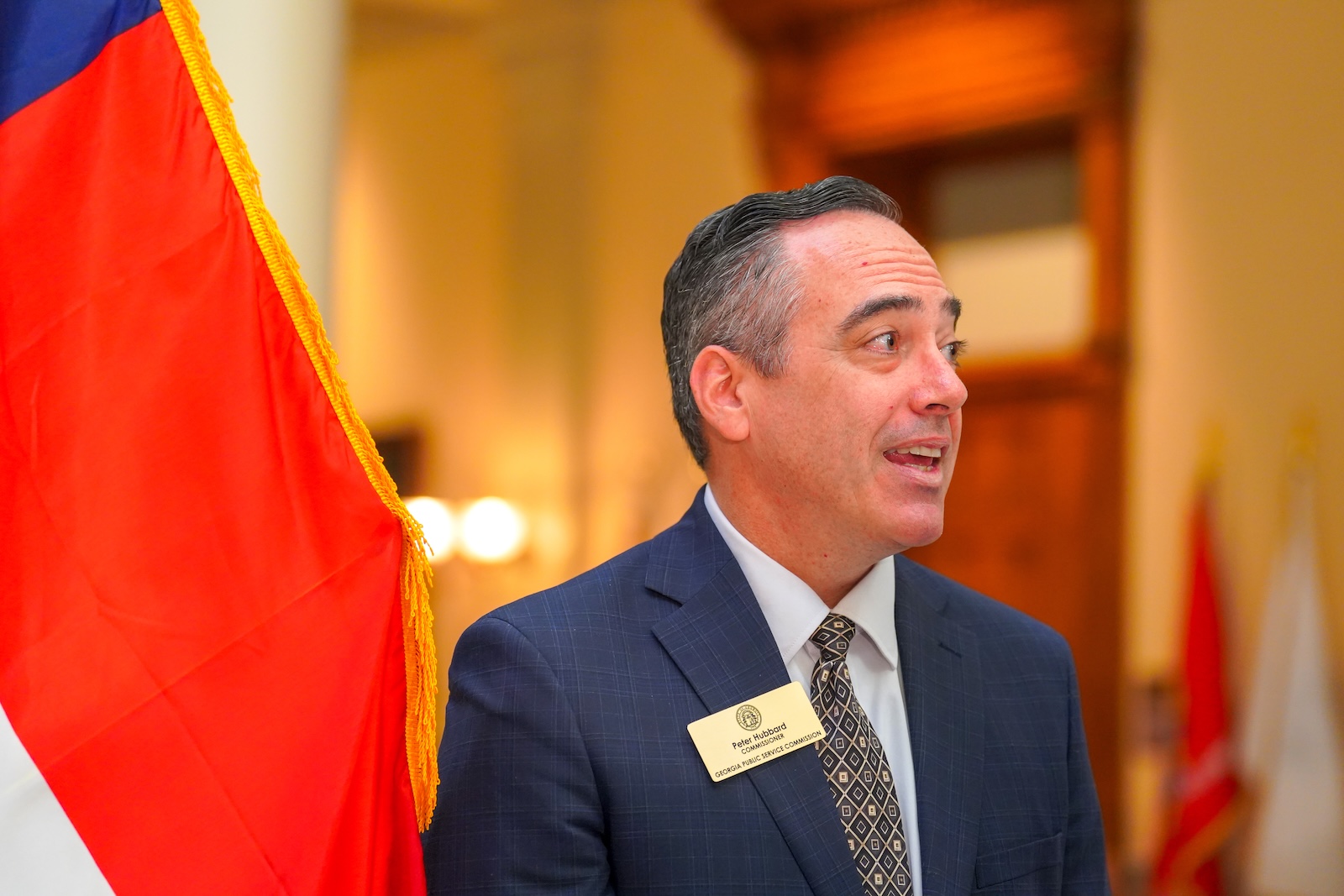
Democratic commissioner Peter Hubbard won reelection this week and will serve alongside fellow Democrats Shelia Edwards and Alicia Johnson. Hubbard says he wants the commission to open an “affordability docket”—a series of hearings to investigate why bills are high and what could save customers money. He also said the commissioners plan to closely review coming Georgia Power requests to produce more electricity and adjust customer rates.
“There’s a long laundry list of things that need to be looked into,” Hubbard said, adding that the commissioners will need to decide which issues to tackle first. Kristin Phillips, an Emory University associate professor who studies energy burden and the commission, said customers may not see an immediate change in their wallets. But she expects the new majority could quickly change the kinds of decisions the regulator makes.
Affordability helped drive campaigns in both this year’s election and the previous one, which together produced the new majority. Brionté McCorkle of Georgia Conservation Voters, a group that backed the Democratic candidates, said the races helped show that the commission’s work is not distant from daily life. Its choices, she said, affect household budgets, communities, health, and the state’s energy future.
A major test will be how the commission weighs Georgia Power’s claims about data centers. The company says revenue from the facilities can cover the cost of new infrastructure and put “downward pressure” on household rates. That phrase does not mean bills will fall; it means the company expects data center income to offset some increases. In a recent deal to serve a large OpenAI data center, Georgia Power said the arrangement would provide $15 a month in downward pressure for its “typical” residential customer—not $15 in savings.
Some advocates have questioned whether the company’s promises can be checked. They criticized a temporary rate freeze announced by Georgia Power before a commission hearing could examine the utility’s financial claims. The OpenAI contract was fully redacted, with only a summary made public after approval. Other details, including energy purchases and construction costs, are also often withheld from public filings as trade secrets.
Southern Company CEO Chris Womack said he is confident the utility can address affordability concerns with the new commissioners, pointing to rate freezes and benefits from growth. The Democrats, meanwhile, have promised closer scrutiny of the next rate-setting process, due in 2028. Phillips said greater transparency could be one of the biggest effects of the election. The new majority’s first hearings and reviews will show whether Georgians get clearer answers about what drives their bills—and who benefits from the state’s fast-growing demand for power.