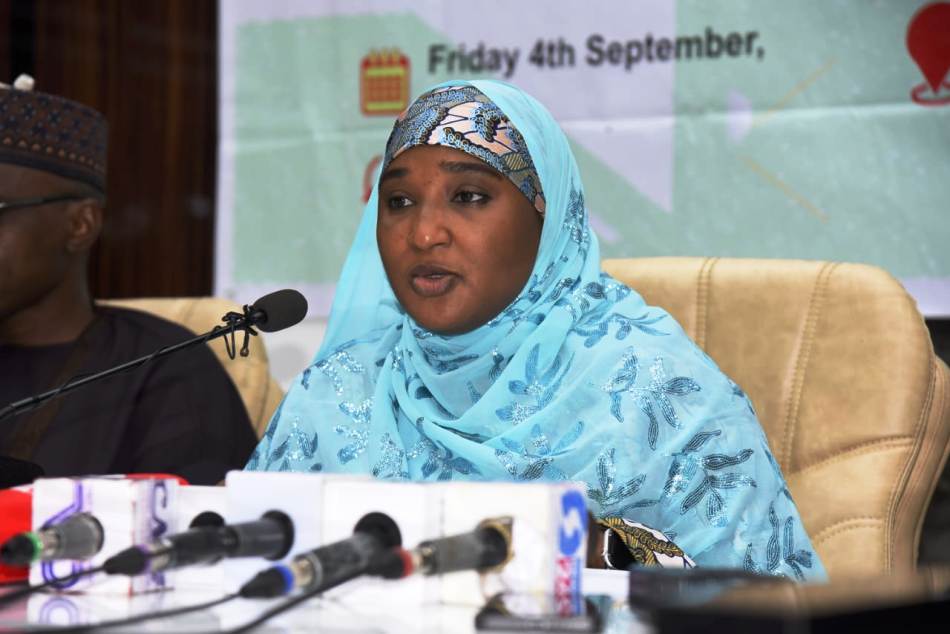
On a Friday morning in Abuja, minutes before Nigeria's press corps filed in for the 2026 International Literacy Day briefing, Prof. Suwaiba Sa'id Ahmad raised a problem that has quietly shaped millions of lives: the country's most reliable literacy data is nearly fifteen years old. That single detail — a 2010 dataset in an era of smartphones — frames the scale of the challenge Nigeria is now tackling head-on.
The Minister of State for Education announced a major revival of the National Commission for Mass Literacy, Adult and Non-Formal Education (NMEC), the government body responsible for teaching adults and out-of-school youth to read, write and gain practical skills. After years of bureaucratic struggle, NMEC has had its autonomy restored — a move Prof. Ahmad called a milestone that lets the commission plan, coordinate and be held accountable for its work. President Bola Ahmed Tinubu backed the restoration, and the government is also rehabilitating the National Centre for Adult Education in Kano, building infrastructure nationwide and working toward a permanent headquarters.
The renewed push comes with fresh numbers that show why it matters. According to 2024 data from the UNESCO Institute for Statistics, shared by the UNESCO Abuja office's Head of Education, Mr. Oladeji Adeyemi, Nigeria's adult literacy rate stands at 67.6 per cent, while youth literacy is 81.4 per cent. That means millions of Nigerians — especially older adults and young people who missed formal school — still lack the reading and writing skills that open doors to jobs, health care, voting and everyday dignity.
The plan is concrete. NMEC is activating community learning centres across the country, with its own personnel serving as facilitators to give flexible lessons to people who couldn't finish school. The commission's Kano regional office will become a centre for Technical and Vocational Education and Training (TVET), with workshops being equipped to teach hands-on, standardised skills for youths and adults. Digital inclusion is also central: rural teachers are gaining access to professional development through simple Android-enabled devices, so no one is left behind as Nigeria embraces artificial intelligence and the digital economy.
NMEC's new Executive Secretary, Prof. Muhammed Dahiru Shuni, says updated literacy data is the immediate priority. Field officers have been deployed nationwide to replace the outdated 2010 figures, so policies can be built on reality rather than guesswork. Kano State offers one bright note: it has woven health and well-being education into its literacy classes, a practice UNESCO called a good example for other states.
The message is clear: government alone cannot close the gap. Nigeria is calling on development partners, civil society, traditional and religious leaders, the private sector and communities themselves to join the fight. Under the theme "Literacy for People, the Planet and Prosperity," the country is treating reading not as a basic skill but as a foundation for economic participation, environmental responsibility and shared progress — one learning centre at a time.