In the salt flats of Argentina, a grandmother watches excavators dig for lithium — the light metal inside electric car batteries. She worries about her grandchildren's water. Across the world, in workshops in Indonesia and mines in Kazakhstan, similar conversations are happening. Who benefits when countries sell the minerals inside our phones and cars?
The United Nations is working with five countries to make sure critical minerals like lithium, cobalt and nickel create good outcomes for local people — not just for global supply chains. These minerals power the batteries that run electric vehicles and store energy from solar panels and wind turbines. Demand is soaring as countries race to cut carbon emissions.
Argentina sits on some of the world's largest lithium reserves. The UN is helping local communities have a real voice in how that development unfolds, supporting conversations between governments, companies, workers and Indigenous groups. The goal is to tackle everything from water protection to job opportunities together. The UN is also helping provinces plan their finances so more money stays in local pockets, while training workers and supporting efforts to bring more women into the sector.
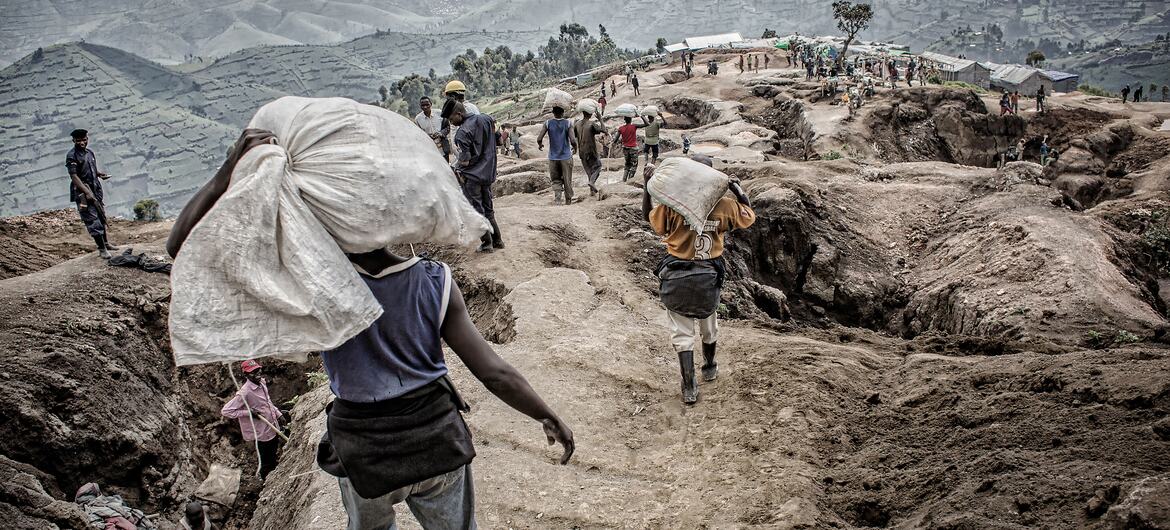
In the Democratic Republic of the Congo, the story is about turning mineral wealth into broader economic growth. The country produces roughly 70 percent of the world's cobalt — a mineral essential for rechargeable batteries. The UN is helping the nation strengthen policies, promote responsible business practices and support local companies so they can join battery and electric vehicle supply chains.
Indonesia is a major nickel producer. Instead of just shipping raw ore overseas, the country wants to do more manufacturing at home — turning nickel into batteries, not just selling the raw material. The UN is helping improve production standards, reduce pollution and build the green skills workers need for a changing economy. Indonesia is even sharing its experience with other countries through a partnership called South-South cooperation.
Kazakhstan is working to clean up its mining sector and make it more accountable. The UN is helping align the country's rules with international standards and spot risks from crime and corruption. It is also exploring how to recover valuable metals from electronic waste — old phones and computers — so fewer new mines need to open.
In Zambia, the focus is on creating local jobs. The UN is helping develop a national skills strategy, preparing workers for mining and battery jobs, and helping small businesses join electric vehicle supply chains. Local communities are now monitoring mining's environmental impact alongside governments and companies — building trust through transparency.
The message is consistent across all five countries: critical minerals can power clean energy AND lift up the people who live above them — if the rules are right.