A tray of bananas balanced on her head, Rachel Ojuromi walked through Lagos traffic as if the road were a fashion runway. The 22-year-old creator turns markets, roadside stalls and busy streets into the setting for videos made with clothes that might otherwise be overlooked.
For six months, Ojuromi and her friend and stylist Debby Fasingha filmed fashion in places such as Gbagada and Yaba, often using secondhand clothes and scraps found at local open-air markets, including Yaba market. Starting in March, they set themselves the challenge of posting a new fashion video every day. Pedestrians, traders and drivers sometimes watched with smiles, cheers and amused looks as the pair worked without disrupting traffic.
The videos make Lagos itself part of the design. Ojuromi has featured keke, the local name for tuk-tuks, and everyday street scenes. In one clip, she walks through traffic with bananas on her head. In another, she shares tea outside a shop with a teenage boy. That scene began as an idea inspired by a Japanese advertising campaign. When the crew needed someone to play the tea drinker, a curious passerby went to fetch her son, who became part of the filming.
For Ojuromi, those unplanned details are the point. “There is something meaningful about knowing that a particular image or video exists because of a moment that happened at a specific time and place,” she says. “Even if somebody tries to recreate it, it will never be the same.”
Her creative path began with clothes at home: her mother sold them in local markets. As a child, Ojuromi first hoped to become a doctor, inspired by Ben Carson’s autobiography, Gifted Hands, and imagined becoming a neurosurgeon. After complications with her college application led her to take a year off, she began exploring filmmaking and decided medicine was not for her. She says creativity offered another way to contribute and push boundaries.
With Fasingha, she began reworking ideas from global fashion collections using thrifted clothes and pieces already in their wardrobes. Rather than spending beyond their means to copy a look, Ojuromi says they focus on the message and cultural references behind a designer’s work. That approach helped bring their versions of Chanel’s Métiers d’Art 2026 collection to the attention of the fashion house. Chanel casting director Anita Bitton approved the pair’s video for publication, and it drew notice from figures including creative director Matthieu Blazy.
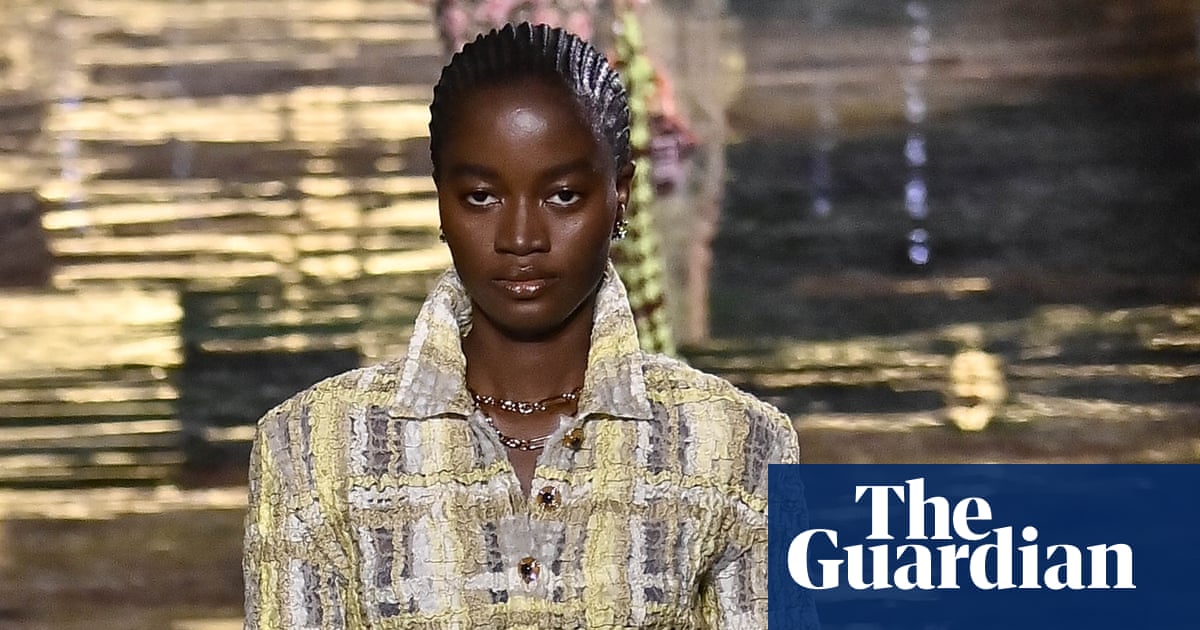
The conversations that followed took Ojuromi from Lagos to Paris. She walked for Chanel’s spring/summer 2027 show at the Grand Palais, a striking step for a creator whose fashion work began on her home city’s streets. But modelling is only one part of her work. She is also a filmmaker and creative director, and founded Process Africa, a platform launched in 2023 to promote young African creatives. The project grew from an event organised by her friend Temidayo Aríṣe, where Ojuromi saw a need to tell the stories of artists, designers and photographers facing barriers to opportunity. Her next chapter continues that work: making room for those stories, while showing how much can be created from what is already at hand.