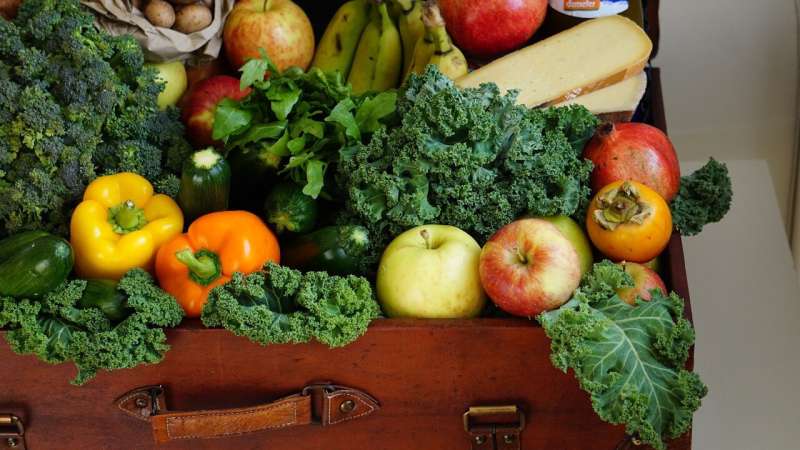
Nimrit Goraya still remembers the first patient who thrived on broccoli, apples, and spinach instead of pills. That small change—a plate full of colorful produce—turned out to be more powerful than a decade of standard medication for people with failing kidneys. In a groundbreaking 10-year study, eating fruits and vegetables didn’t just ease a dangerous buildup of acid in the blood—it reshaped the future for patients with chronic kidney disease.
Metabolic acidosis, a condition where the body can’t balance its acid levels, affects many people with kidney disease. Left unchecked, it speeds up kidney decline and increases the risk of hospitalization. For years, doctors have prescribed sodium bicarbonate—the same compound in baking soda—to help. But a new trial suggests nature might offer a better fix.
The study followed 108 adults with stage 3 chronic kidney disease at Baylor Scott and White Health. Each had metabolic acidosis and was split into three groups: one ate more fruits and vegetables to cut dietary acid by half, another took sodium bicarbonate to achieve the same acid reduction, and a third received usual care. For 10 years, researchers tracked hospital visits, emergency trips, and whether patients eventually needed dialysis.
The results were striking. The produce group had just 14 hospitalizations over the decade—compared to 64 in the usual care group. They made 20 trips to the emergency department, versus 88. Most importantly, only four people in the fruits and vegetables group needed dialysis, while 16 in the usual care group did. Even more surprising: sodium bicarbonate made no meaningful difference compared to standard care.
“This wasn’t just about slowing disease,” Dr. Goraya said. “It was about living better—fewer hospital stays, fewer emergencies, and real delays in needing dialysis, all without extra cost to the health system.”
The findings, set to be presented at ASN Kidney Week 2026, suggest a shift in how we treat chronic illness. Instead of reaching only for a pill, doctors might soon prescribe a peach, a pear, or a handful of kale. And because fruits and vegetables didn’t increase overall healthcare costs, the approach could be scaled across communities, especially where access to medication is limited.
For patients, the message is hopeful: small changes at the dinner table can have outsized effects. As research continues, one truth is becoming clearer—sometimes, the most powerful medicine grows on a vine, not in a lab.