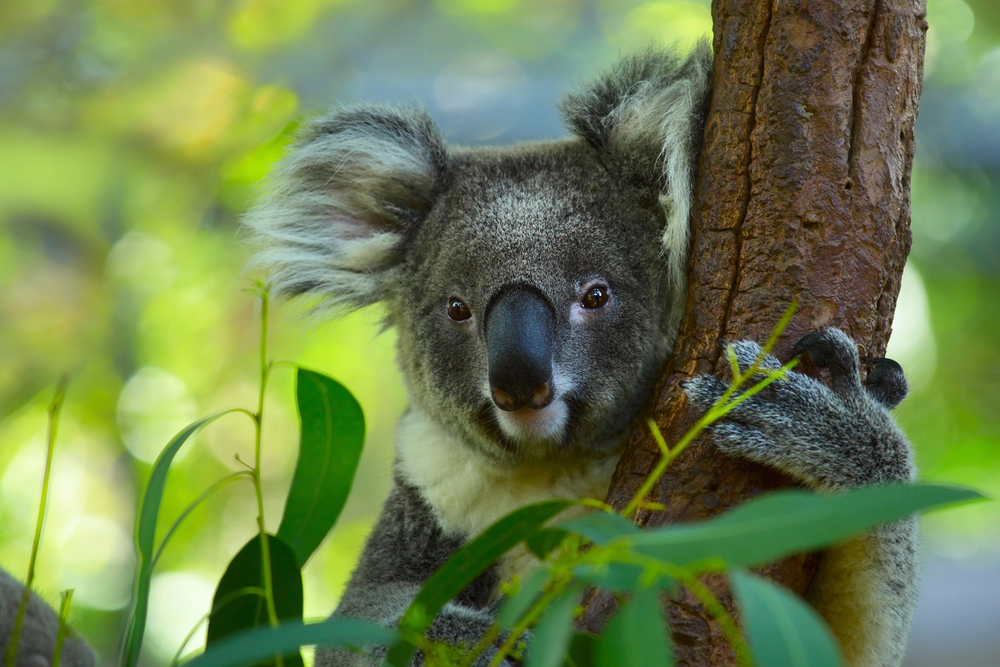
Between Kempsey and Grafton, a new 478,000-hectare national park now links existing protected areas with former state forest and Crown Land. After more than a decade of campaigning, New South Wales has created the Great Koala National Park, the state’s second-largest national park, and ended native forest logging across a large part of the area.
The park matters because it protects habitat for koalas and more than 100 other species of plants and animals. Its creation also shows how conservation can gain financial backing: carbon credits from forest protected from logging helped make the plan work. The result is a major expansion of protected land, though the new park is still a patchwork with gaps between sections.
The campaign began with local concerns that koalas were becoming less common. Conservationist Ashley Love started lobbying for a park after hearing those worries from residents. “It became too much to ignore,” he said. The proposal grew from a call to protect Crown Land into a Labor election promise. The party took it to the 2015 and 2019 elections, losing both, before winning government in 2023 with the park among its commitments.
Turning the promise into law took more than 14 hours of parliamentary debate and about 160 amendments. The final park combines existing protected areas with more than 178,000 hectares of former state forest and Crown Land. More than 117,000 hectares of state forest within the park are covered by a project registered with the federal Clean Energy Regulator. With native forest logging formally stopped there, the government can sell carbon credits linked to the land.
That offers a source of income from keeping forests standing rather than cutting them for timber. It also means the change has costs for workers and businesses tied to logging. The Forestry Corporation of NSW had already cut more than 30 jobs in Coffs Harbour as the logging moratorium reduced future orders. Timber NSW president Andrew Hurford said the effects reached beyond forestry staff to engineering firms and suppliers of tyres, fuel, trucking and transport. The government has promised to move displaced Forestry Corporation workers into roles with the National Parks and Wildlife Service.
NSW Environment Minister Penny Sharpe called the park “a defining moment for conservation in NSW.” Love welcomed the progress but pointed to the work still ahead: the park is fragmented, with gaps and connectivity problems between sections. Connected habitat helps koalas move and breed, and may help them withstand disease pressure. Love says he will keep pressing for areas left out of the park to be included.
The Great Koala National Park is not a complete or unbroken refuge, but it protects a vast area and gives conservation a financial model tied to the standing forest. The next challenge will be to close the gaps and make the protected landscape more connected.