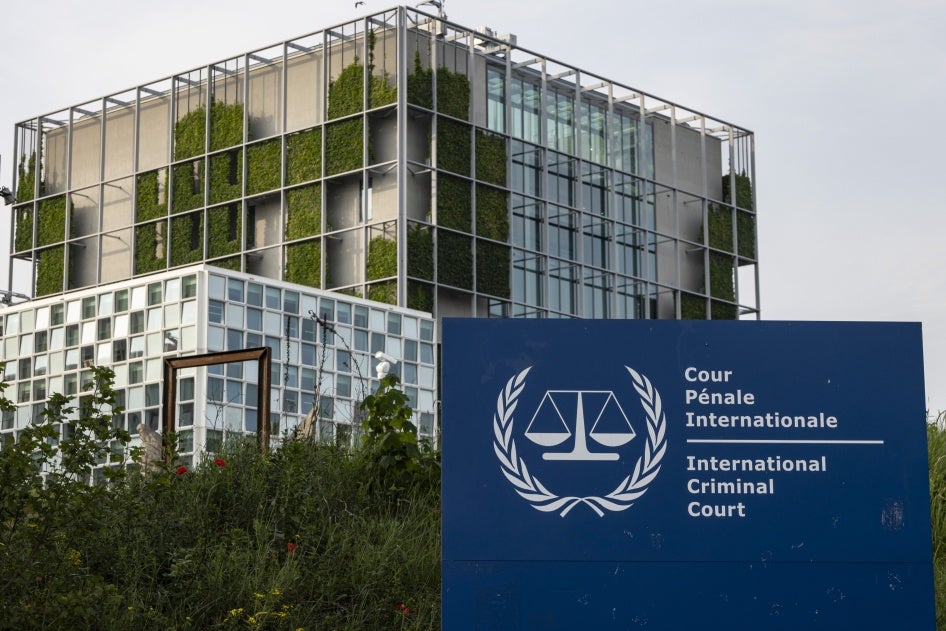
On a crisp autumn morning in Brussels, the European Parliament’s hemicycle fell silent as lawmakers stood to applaud an institution that has become a beacon for justice in the world’s darkest corners — the International Criminal Court. On October 22, 2026, the court and its officials were awarded the Sakharov Prize for Freedom of Thought, one of Europe’s highest honors for human rights, in recognition of their relentless pursuit of accountability for war crimes, crimes against humanity, and genocide.
The prize, named after Soviet physicist and dissident Andrei Sakharov, is more than a symbolic gesture — it’s a defiant stand for the rule of law at a time when international justice faces fierce political headwinds. The ICC has spent over two decades investigating atrocities in places like Darfur, the Democratic Republic of Congo, and Myanmar, offering a voice to victims who might otherwise be forgotten. Yet, in recent months, the court has come under intense pressure, including threats of sanctions from the Trump administration and other powerful nations reluctant to face scrutiny.
Philippe Dam, EU advocacy director at Human Rights Watch, called the award a rallying cry. He said the recognition should push ICC member states to defend the court and urge the European Commission to activate the EU’s ‘blocking statute’ — a legal shield that prevents EU citizens and institutions from complying with foreign sanctions deemed unjust. The move could protect judges, prosecutors, and witnesses from retaliation, especially from U.S. penalties targeting ICC personnel involved in sensitive investigations.
The ICC, based in The Hague, was established in 2002 and has 124 member countries. It does not replace national courts but steps in when states are unwilling or unable to prosecute serious crimes. Over the years, it has issued arrest warrants for figures like Sudan’s Omar al-Bashir and launched investigations into alleged crimes by all sides in conflicts from Afghanistan to Palestine. While the court has faced criticism for slow proceedings and limited enforcement power, its symbolic weight is undeniable. For millions of survivors, the mere existence of the ICC means that justice, however delayed, is still possible.
This award sends a clear message: defending international justice is not optional — it’s essential. As geopolitical tensions rise and authoritarianism gains ground, institutions like the ICC remind the world that no one is above the law. The Sakharov Prize doesn’t end the challenges ahead, but it lights a path forward — one where courage, truth, and accountability still have a place.