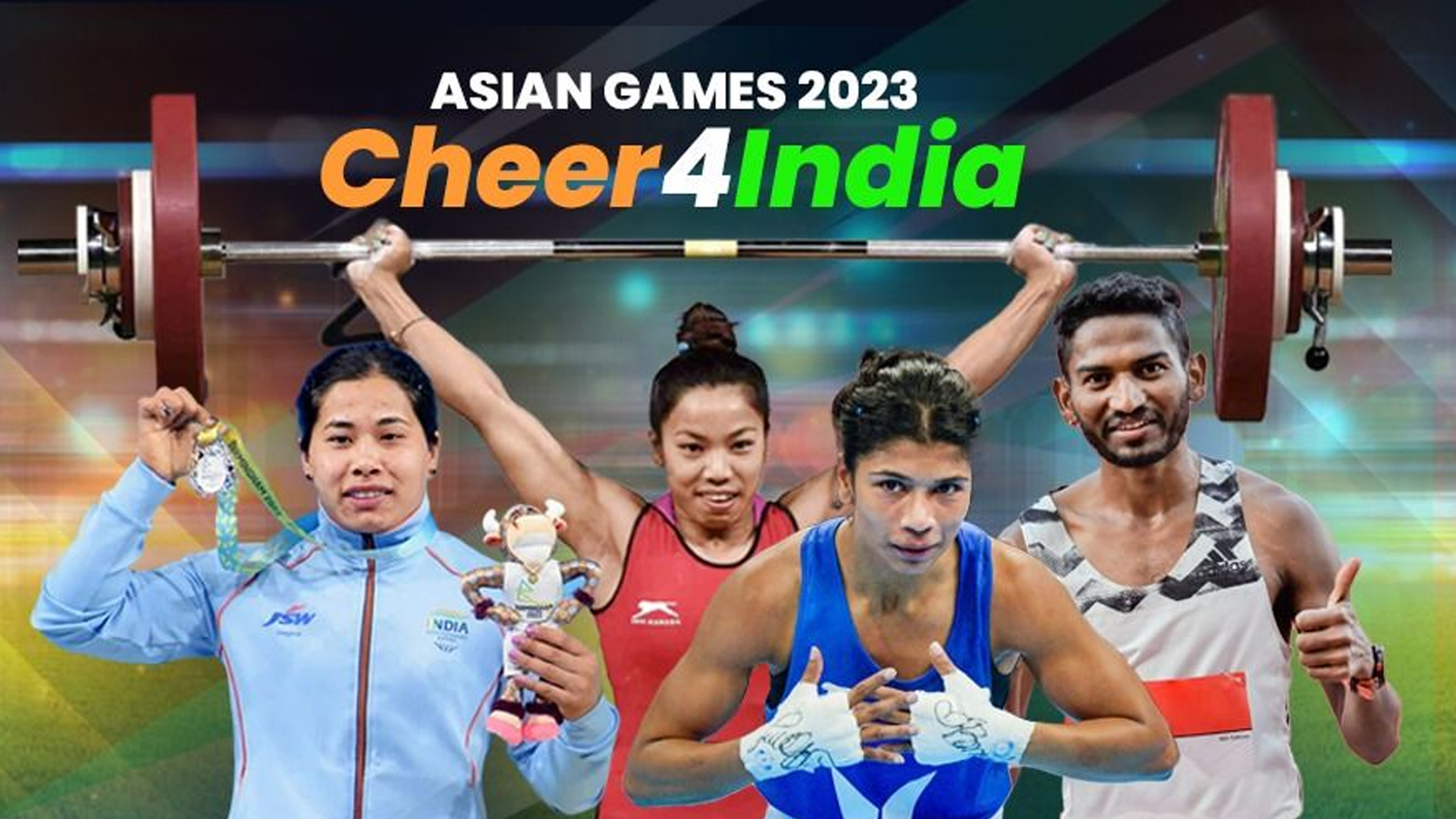
In a sunlit stadium in Ranchi, 17-year-old Priya Toppo sprints across the field, her hockey stick flashing in the morning light — one of over 1.2 million girls who have joined government-supported sports programs across India in the past five years. Her story is no longer rare. Across villages and cities, more young women are stepping onto playing fields, breaking long-held beliefs that sports are only for boys. This shift is about more than games — it’s reshaping lives, health, and ideas about what girls can do.
For decades, cultural norms in many parts of India kept girls on the sidelines. But now, with strong support from the Sports Authority of India and the Ministry of Youth Affairs and Sports, that’s changing. National programs like Khelo India and Beti Bachao, Beti Padhao have created pathways for girls to train, compete, and dream big. Coaches report a visible rise in female participation, especially in athletics, wrestling, and team sports once dominated by men.
The numbers tell a powerful story. Since 2018, the share of women in national sports training centers has grown from 38% to 49%. In 2023 alone, over 320,000 girls joined district-level sports programs — a 27% jump from the year before. States like Haryana, once known for deep gender imbalances, now celebrate local champions like Sakshi Malik and Vinesh Phogat, whose wrestling medals inspire a new generation. Even in remote areas, mobile coaching units and school outreach programs are bringing sports to girls who once had no access.
The impact goes beyond medals. Girls in these programs report better physical health, sharper focus in school, and stronger confidence. Many take on leadership roles — captaining teams, mentoring younger players, and speaking up in their communities. Families who once hesitated now cheer from the sidelines. "When my daughter won the state relay race, our whole village came to celebrate," said Meena Devi, a farmer from Bihar. "Now they say, ‘Let our girls run too.’"
The journey isn’t over. Challenges remain — from uneven access in rural areas to the need for more female coaches and safe transportation. But the momentum is clear. With continued investment and cultural support, India is building not just stronger athletes, but stronger communities where every girl has a chance to rise.