When Jonathan Walden first returned to work after CAR-T treatment, he also found he could hunt and fish again. Before the therapy, walking and basic daily tasks had become difficult enough that he needed help from his family. His experience is among the early signs of hope for people with stiff person syndrome, a rare condition that can cause severe muscle stiffness and painful spasms.
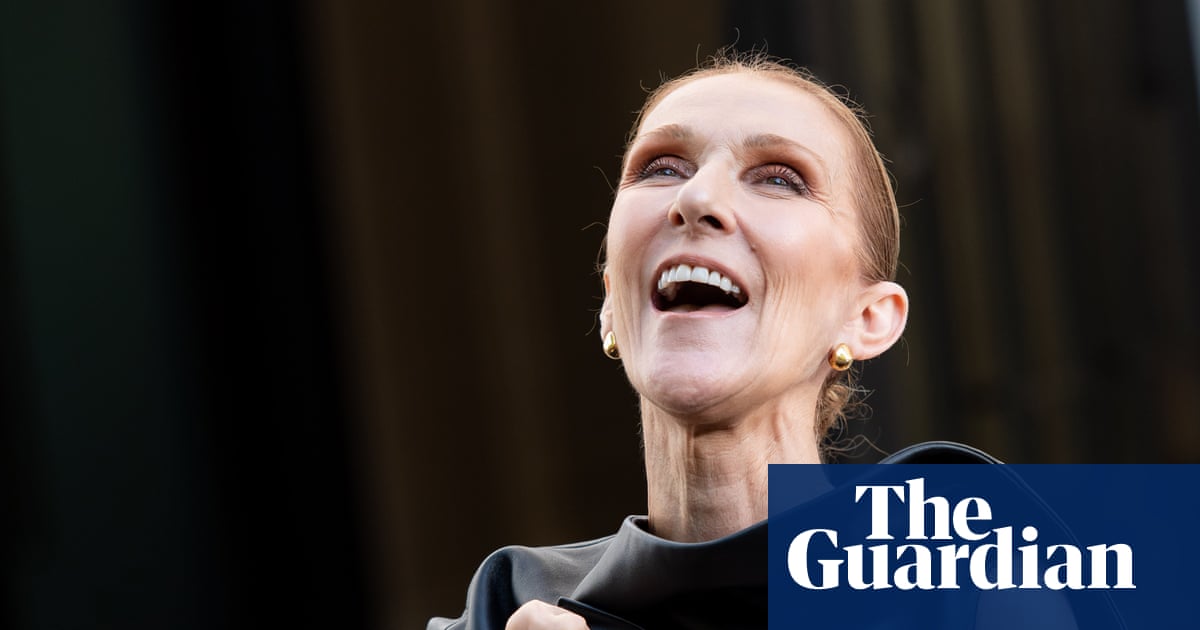
Stiff person syndrome, or SPS, affects the central nervous system. There is no cure, and existing treatments may ease symptoms without restoring a person’s former abilities. Singer Céline Dion said in December 2022 that SPS had affected every part of her daily life, including her voice. Now neurologists at Mayo Clinic in Rochester, Minnesota, are studying whether a cancer treatment can help people with the condition.
The treatment, called CAR-T cell therapy, uses a patient’s own T cells. These immune cells are taken from the body and engineered to target disease-causing cells, then given back to the patient. CAR-T is already used to treat some cancers. The Mayo team’s study, whose results appeared in the medical journal JAMA Neurology, reports major early improvements in people with SPS.
Some patients who had struggled to walk or needed help with daily tasks were able to take part in everyday activities again. Some returned to work or picked up hobbies. Walden said he can now go to work every day and do what he did before treatment. “I have not had one episode since receiving treatment,” he said.
Another patient, Shari St Germain, had severe leg cramps, difficulty walking, muscle rigidity and falls. After treatment, she described feeling better each day. One morning, she got up and walked on a treadmill for seven minutes. “I just walked for seven minutes on the treadmill,” she recalled telling her husband through tears.
Dr Anastasia Zekeridou, a Mayo Clinic neurologist and researcher, said the amount of improvement in some patients stood out. With current treatments, she said, doctors rarely see people return to their previous level of function. But she cautioned that the results are early. The main question now is whether the gains will last over time.
Dr Sean Pittock, chair of Mayo Clinic’s neurology department, said the findings point to a possible role for CAR-T beyond cancer, including in autoimmune diseases that affect the brain and nerves. He said more needs to be learned, but the trial opens a new path for research. Yasmin Sheikh of blood cancer charity Anthony Nolan, which was not involved in the study, also said the work adds evidence that CAR-T may have uses beyond blood cancer.
For now, the results do not show that CAR-T is a cure for SPS, and doctors still need to learn how long improvements last. But for patients whose daily lives have been narrowed by stiffness, pain and falls, the ability to walk, work or return to a treasured activity offers a concrete reason to follow the research closely.