Chaymae Benhamza remembers the sharp winter light in Midelt, how it slices across the high plateau at 1,500 metres, weaker than the blazing June sun but still full of promise. As a researcher studying green hydrogen in Morocco, she knows that difference — between 3.4 and 8.2 kilowatt-hours of solar energy per square metre from December to June — isn’t just seasonal change. It’s the key to building energy systems that actually work.
Benhamza and her colleague Omar Ansari recently published a study showing why local weather data matters when designing hydrogen power systems. If engineers use average data from other regions, they risk building systems that produce too little hydrogen in winter and waste capacity in summer. In Midelt, where sunlight swings wildly with the seasons, getting the balance right is critical.
Their research, presented at the German-African Green Hydroxgen Forum and published in E3S Web of Conferences, focuses on decentralised hydrogen systems: solar panels powering electrolysers that split water into hydrogen and oxygen. The hydrogen is stored and later turned back into electricity using fuel cells. The team analysed how to size each part — panels, electrolysers, storage tanks — to match Midelt’s unique climate, reducing both energy shortages and costs over time.
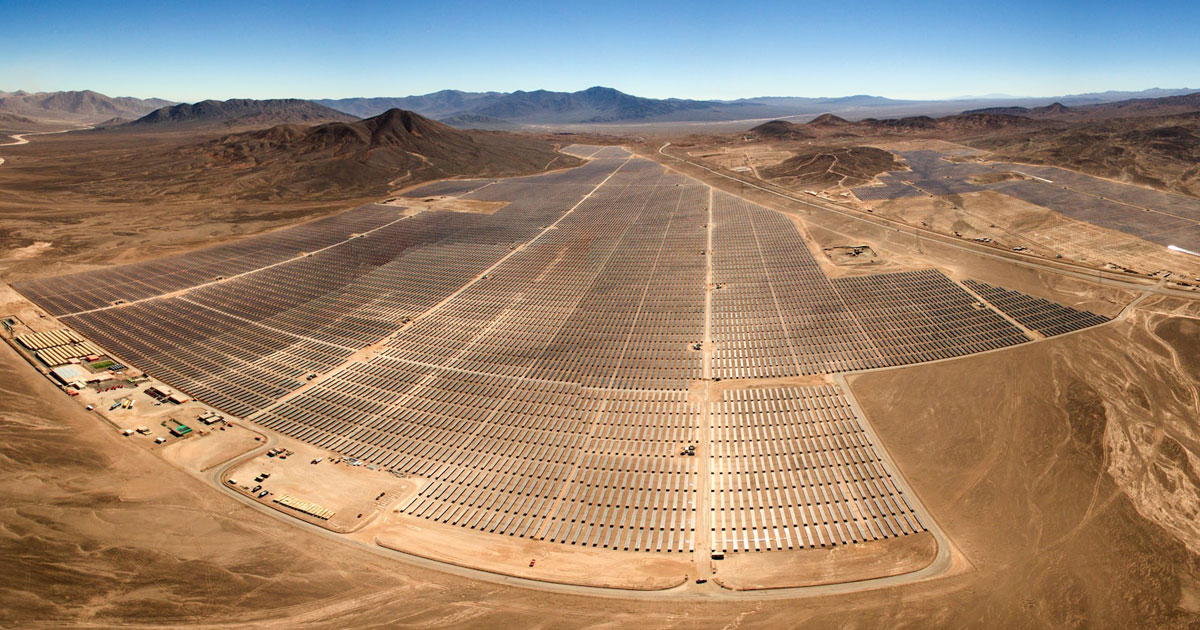
At the same time, one of Africa’s largest solar projects is rising nearby. Noor Midelt I, now under construction by a consortium led by China Energy Engineering Corporation, will generate 630 megawatts of solar power and store 1,300 megawatt-hours in giant batteries — making it Africa’s biggest single-site solar-plus-storage plant. Originally planned with costly thermal storage, the project shifted to batteries after lessons from Noor Ouarzazate showed the challenges of maintaining concentrated solar power systems.
Two more phases, Noor Midelt II and III, are being built by Saudi Arabia’s ACWA Power and Morocco’s Nareva, with another 800 megawatts of solar and nearly 1,200 megawatt-hours of battery storage. Together, the three phases will deliver over 1.4 gigawatts of solar capacity and more than 2.5 gigawatt-hours of storage, backed by 30-year power purchase agreements.
This dual push — one in research, one in infrastructure — shows Morocco isn’t just chasing solar energy. It’s learning how to store it, adapt it, and use it year-round. As Benhamza puts it, "Designing for local sun means designing for real life."
With $5.7 billion invested and homegrown science guiding the way, Midelt is becoming a blueprint for how sunny regions can build resilient, smart energy futures.