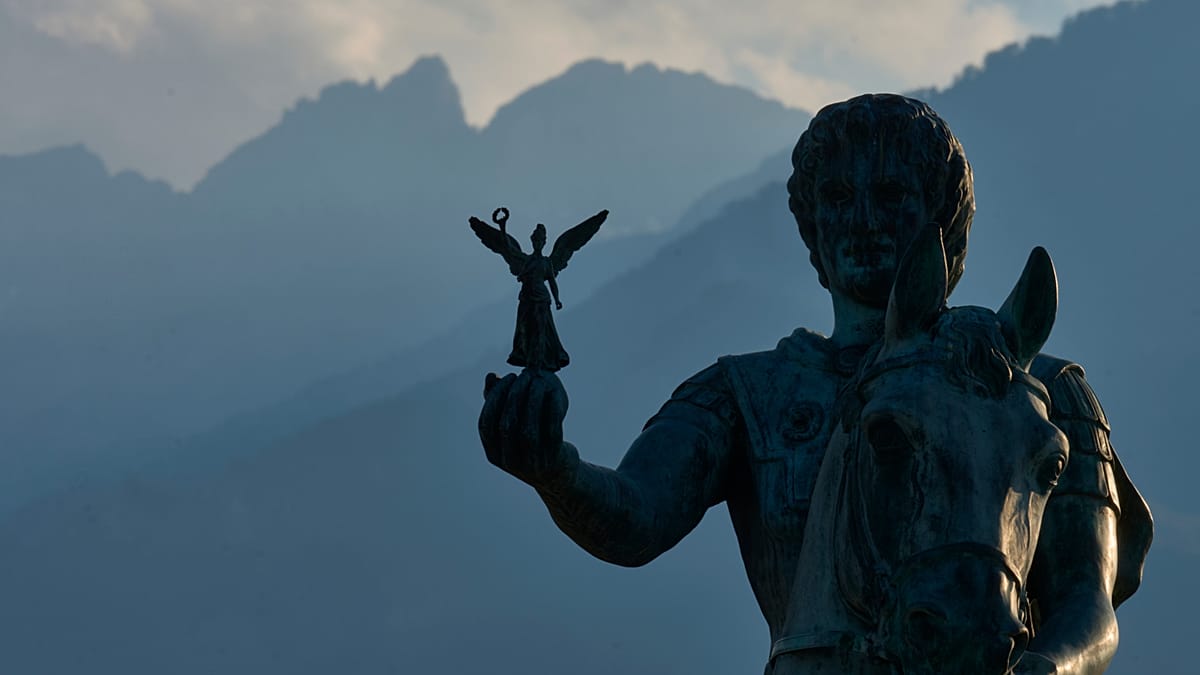
For twelve long years, Greece made its case to the world. On July 26, 2026, that patience paid off: Mount Olympus, the legendary home of the Greek gods, was unanimously added to UNESCO's World Heritage List.
The vote happened during the 48th session of the World Heritage Committee, held in Busan, South Korea. Every member nation agreed that Olympus deserved this honor—a rare show of total consensus.
"Olympus becomes a mountain for all humankind, which must be protected forever," said Greek Prime Minister Kyriakos Mitsotakis on social media. "This is a national achievement of the highest order."
Mount Olympus rises 2,918 metres into the sky, making it Greece's tallest mountain. But this isn't just about impressive height. For thousands of years, Greeks have believed the peak was where Zeus and the twelve Olympian gods lived. Temples, ancient sites, and cultural landmarks dot the area, weaving together the mountain's human story and its natural beauty.
The mountain also shelters rare plants and animals found nowhere else. By earning World Heritage status, Olympus gains stronger international protection—a spotlight that encourages countries to safeguard these treasures for future generations.
The same UNESCO session brought another historic addition: the five D-Day landing beaches in Normandy, France. These are the stretches of sand where Allied soldiers stormed ashore on June 6, 1944, in the largest seaborne invasion in history. That bold move helped push Nazi forces out of Western Europe and restore freedom to millions of people.
UNESCO recognized the beaches not just as battlefields, but as living museums. German fortifications still stand. Scars from bombings remain visible. Sunken ships rest offshore. Together, these traces tell the story of a turning point that "enabled the return of freedom and heralded lasting peace on the European continent."
Other sites joined the list that day too. South Sudan's Boma-Badingilo region protects the greatest land mammal migration on Earth—roughly 6 million antelopes trekking across the savanna. Japan's ancient capitals Asuka and Fujiwara earned spots for their role in shaping one of the world's oldest civilizations.
For Greece, though, July 26 marked something special. What began as a national dream became an international promise: Mount Olympus, birthplace of mythology, would now be guarded for all of humanity.