On September 18, 2026, the ozone hole over Antarctica spread across 10.5 million square miles—an area nearly as large as the United States. It was the biggest maximum extent in a decade, but scientists say the unusual size does not mean the ozone layer’s long recovery has stopped.
The ozone layer sits high in the atmosphere and acts like Earth’s sunscreen, shielding people, animals and plants from harmful solar radiation. The ozone hole is a seasonal region where that protection becomes thinner over Antarctica. NASA and the National Oceanic and Atmospheric Administration (NOAA) track it each year to understand how atmospheric conditions and pollution affect ozone levels.
From September 7 to October 13, the hole averaged about 9.6 million square miles, or 25 million square kilometers. That made 2026 the seventh-largest ozone hole in 48 years of observations. At its September 18 peak, it reached 10.5 million square miles, about 90% of the largest area measured, on September 9, 2000.
Scientists point to an unusually strong polar vortex as the main reason it grew so large. This ring of powerful winds circles Antarctica and holds very cold air over the region. The cold helps form high-altitude clouds where chlorine and bromine compounds can trigger reactions that destroy ozone. Those compounds come from human activities and can persist in the atmosphere for years.
In 2026, weather patterns that usually disturb and weaken the vortex were especially quiet in August and September. That let the winds stay strong and kept ozone-destroying conditions in place over a wider area. “An unusually powerful polar vortex has extended ozone depletion in the Antarctic this season, allowing the hole to grow to proportions we haven't seen in a decade,” said Paul Newman, a senior scientist at the University of Maryland who leads NASA ozone research.
Yet the hole could have been larger without international limits on ozone-damaging chemicals. Newman estimated that, if those substances were as common as at their peak in 2000, the affected area might have been another 1 to 2 million square miles larger. The size of the hole reflects both the year’s weather and the progress made by decades of environmental protections.
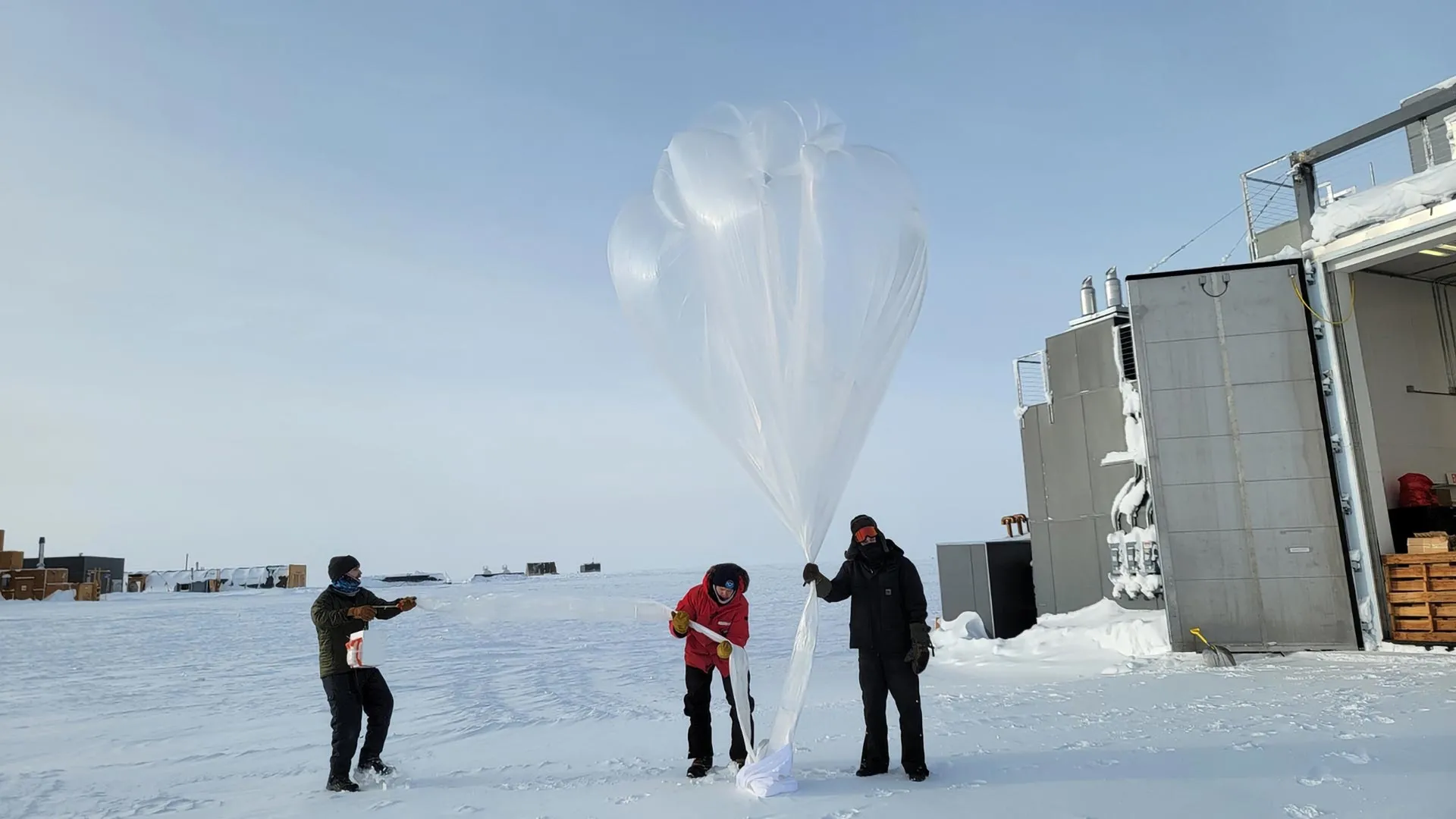
Its area also does not tell the whole story about how much ozone was lost. NOAA researchers used weather balloons and a Dobson Ozone Spectrophotometer at the South Pole Baseline Atmospheric Observatory to measure ozone. The lowest reading directly above the South Pole in 2026 came on October 17: 105 Dobson units, a standard measure of the total ozone above a location. The source notes that the hole’s ozone loss was not as extreme as in record-breaking events 10 or 20 years earlier.
Newman said the hole has formed later in the season in recent years, a sign that the ozone layer is healing. Scientists say it remains on track to recover later this century. The 2026 season is a reminder that unusual weather can still produce a large hole, while cuts to harmful chemicals have helped keep that hole smaller than it might otherwise have been.