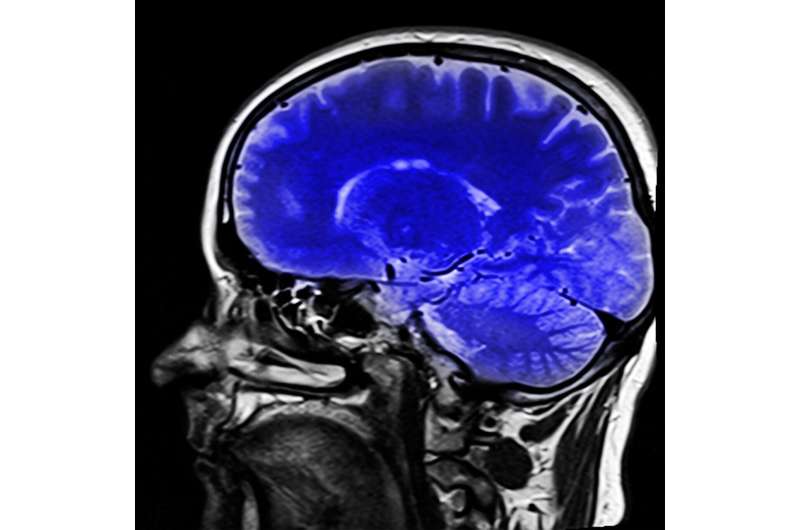
A brain scan that looks younger than a person’s age may tell only part of the story: some older adults with healthy thinking still had blood markers linked to nerve-cell damage. That finding was among new research on biomarkers presented at Neuroscience 2026, the Society for Neuroscience’s annual meeting.
Biomarkers are measurable clues in the body, such as substances in blood, changes in genes or features seen on brain scans. They are already widely used in areas including cancer and heart disease. But the brain’s complex biology has made it harder to develop reliable markers for neurological and psychiatric conditions. These disorders affect billions of people worldwide and are a leading cause of disability, so better ways to identify them could help clinicians diagnose disease, follow its course and assess treatment.
The studies presented at the meeting explored several possible clues. Meaghan Morris of Johns Hopkins University reported that measuring brain structures beyond the hippocampus, a region often studied in Alzheimer’s disease, may help identify early neurodegeneration linked to Alzheimer’s. Such measurements may also help track how the disease progresses.
Karlon H. Johnson of the University of Miami Miller School of Medicine examined cognitively healthy older adults. Some had brain structures that appeared younger, even though their blood contained elevated levels of biomarkers associated with neurodegeneration. The result points to a mismatch that researchers will need to understand: blood signals and brain structure may not always tell the same story about aging and brain health.
Another study focused on major depressive disorder. Maura B. Dupont of Columbia University and colleagues found changes in genes linked to mitochondria in brain and blood samples from people with the condition. Mitochondria are the parts of cells that help produce energy. The findings may inform future biomarker research and point toward possible treatment targets, though they do not establish a new test or therapy.
Researchers also tested an artificial intelligence system designed to detect and measure subtle movement symptoms in nonhuman primate models of neurodevelopmental and neurodegenerative disorders. Nisarg Desai of Emory University presented the work. The system could help researchers quantify signs that might be too subtle for a person to spot consistently, offering a possible tool for studying disease and evaluating changes over time.
Carol Taylor-Burds, a program director in the National Institute of Neurological Disorders and Stroke’s Division of Translational Research, said biomarkers and outcome assessments are essential for improving diagnosis, prognosis, and the tracking of disease progression and treatment response. The presentations span Alzheimer’s, depression, brain development and healthy cognitive aging, but they are early research findings rather than ready-to-use clinical tests.
The next step is to test whether these measures work reliably across more people and can add useful information to clinical care. If researchers can validate them, biomarkers could give doctors clearer ways to recognize changes in the brain and judge whether treatments are helping.