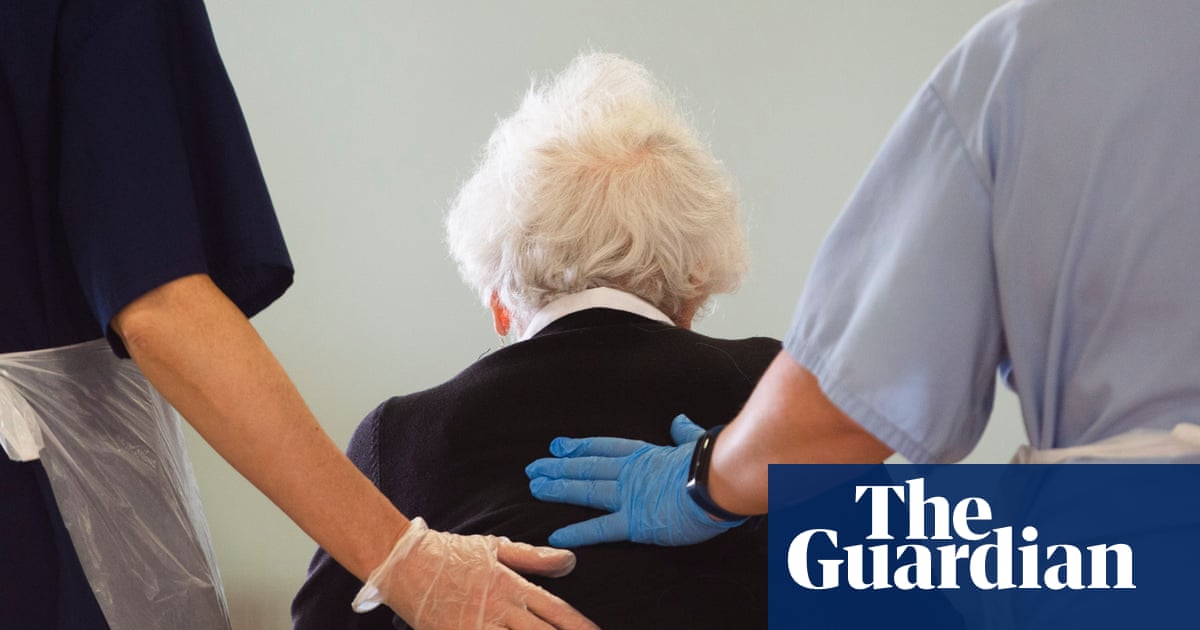
By next April, about 566,000 people across England are due to receive more joined-up care from teams that bring NHS and social care workers together. The plan is aimed at people most at risk of becoming seriously unwell, including older people, care home residents, people with dementia and those near the end of life.
The new “neighbourhood support teams” are an early step toward a national care service, promised by Andy Burnham to address the strain on social care. Speaking at the King’s Fund health thinktank on Wednesday, Yvette Cooper called the programme a “downpayment” on that wider service. The first phase will reach around 1% of England’s population. If expanded as planned, the service could eventually support about 2 million people with particular health needs, including parents and babies, and under-25s who are not in education, work or training.
The teams will bring together GPs, district nurses, occupational therapists, geriatric consultants, physiotherapists, clinical pharmacists, mental health workers and social workers. They will identify people in their local areas who need the most help, then make a personal plan to keep each person as well as possible. That may mean care at home or in a care home for longer, regular health checks from familiar staff, and reviews of medicines and physiotherapy.
Each person will have an individual care plan showing their needs and who is responsible for meeting them. Patients and families are also expected to have access to a 24-hour helpline as a single point of contact, though the start date for that service has not been made clear. The approach is part of a broader shift toward preventing illness and providing more care in communities and homes, rather than relying mainly on hospitals.
The government says the change could ease pressure on crowded hospitals. Once fully in place, it is expected to cut 4.3 million hospital bed days and reduce “corridor care,” when patients are treated in hallways because wards are full. Cooper said the most frail and vulnerable 4% of the population account for 70% of emergency hospital bed days, even though many would rather not spend long periods in hospital.
There is a local example of how care closer to home might work. In west Hertfordshire, remote monitoring, virtual ward rounds and home visits have helped patients spend three fewer days at Watford General Hospital on average, saved the local NHS £3.8 million and proved popular with patients. Age UK welcomed the new teams as “fantastic news for older people,” especially those living with frailty or declining health.
But the shift will depend on more than plans and phone lines. Sarah Woolnough, chief executive of the King’s Fund, warned that governments have long aimed to bring care closer to home without making it happen. Helen Morgan, the Liberal Democrats’ health spokesperson, said that without new money, the plan would do little for frail patients spending the winter in hospital. The teams build on a separate £40 million announced last week for GPs in England to improve home care for 300,000 vulnerable patients this winter. The next test is whether the new teams can turn a long-standing goal into support people can feel in their daily lives.