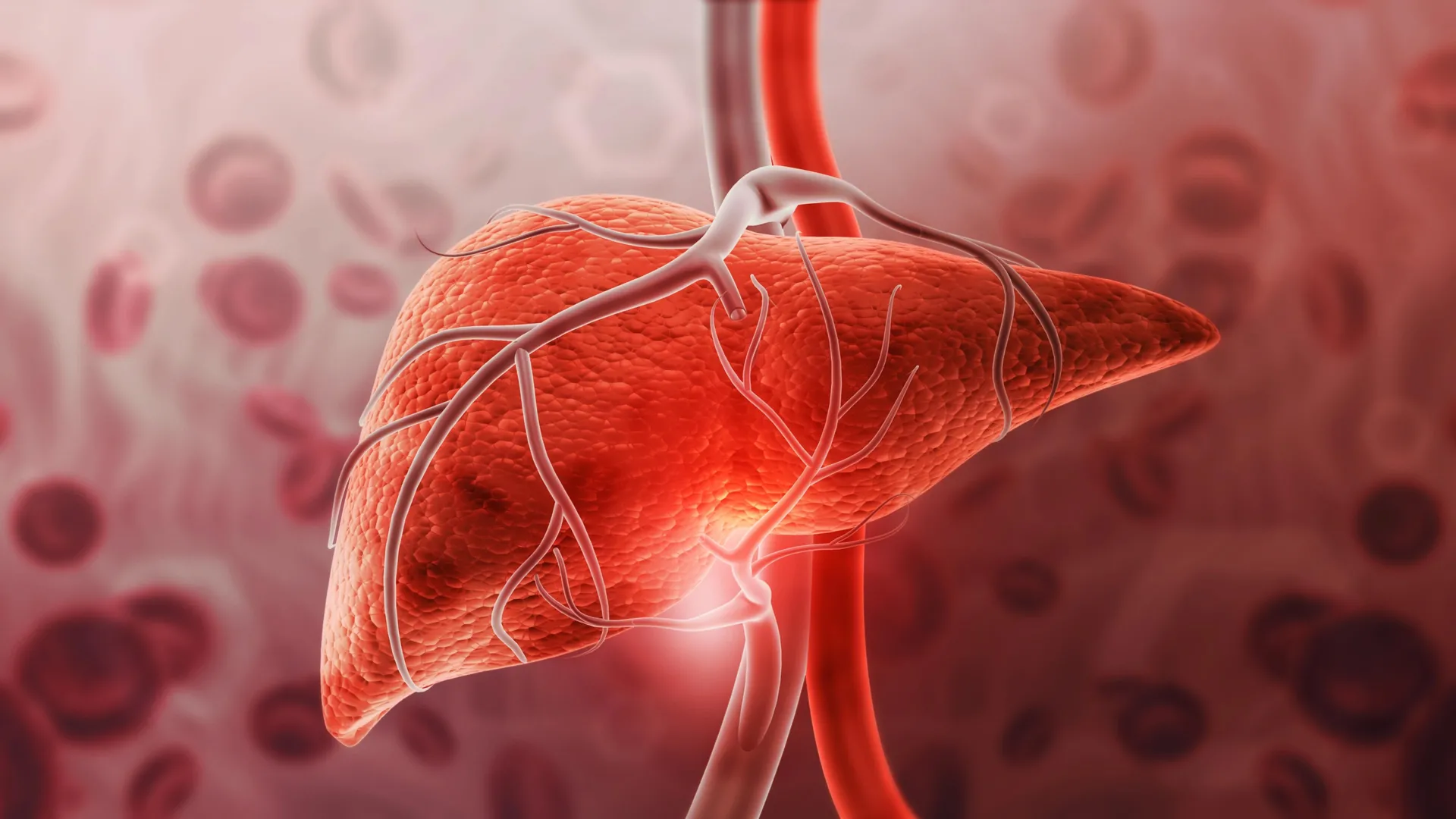
In older rats, two weeks of treatment with an experimental drug helped reopen tiny pores in liver cells—and cut a protein linked to Alzheimer’s disease by about 50%. The result, reported by researchers at the Keck School of Medicine of USC in Los Angeles, points to a possible new way to study illnesses that affect more than the liver.
The liver filters blood and helps remove unwanted substances. With age, however, some of its specialized cells become less effective at passing molecules to the cells that process and clear them. If substances remain in circulation, they may affect other organs. That matters in research on Alzheimer’s disease and atherosclerosis, a condition in which fatty deposits build up inside arteries.
The USC team focused on liver sinusoidal endothelial cells, or LSECs. These cells line tiny blood vessels in the liver and have microscopic openings that work much like a sieve. The openings allow larger molecules in the blood to reach nearby hepatocytes, which do much of the liver’s work processing substances. As the liver ages, the openings can shrink or disappear, making that exchange harder.
To test whether the change could be reversed, the researchers gave aged rats cinaciguat for two weeks. They compared the treated animals with untreated older rats and younger rats. The treatment restored important features of the aging LSECs, including their tiny openings, and improved the liver’s ability to help clear substances from the blood. Amyloid beta, a protein associated with Alzheimer’s disease that can form plaques in the brain, fell by approximately half. LDL, often called “bad” cholesterol, returned to levels seen in younger animals.
The study, published in the Journal of Biological Chemistry, also identified a previously unknown way liver cells communicate with one another. The findings offer a lead for scientists investigating how to restore the liver’s natural filtering role, but they do not show that cinaciguat prevents Alzheimer’s or heart disease. The results have so far been seen in rats, and further studies are needed to find out whether the same effects occur in people.
That caution is important, but the approach could be worth exploring because it focuses on an organ that may be easier to reach with medicines than the brain. The source article notes that treatments aimed directly at the brain have faced an estimated 98% failure rate in clinical trials, while the blood-brain barrier makes it difficult for some drugs to enter the brain. A treatment directed at the liver might offer another path—if future research confirms that the organ has a meaningful effect on disease risk.
“We need to do further translational work to see whether our findings might point to new therapies,” said corresponding author Laurie DeLeve, a professor and vice chair for scientific affairs in USC’s Department of Medicine. For now, the next step is to test whether this promising shift in aging liver cells can be safely and usefully translated beyond rats.