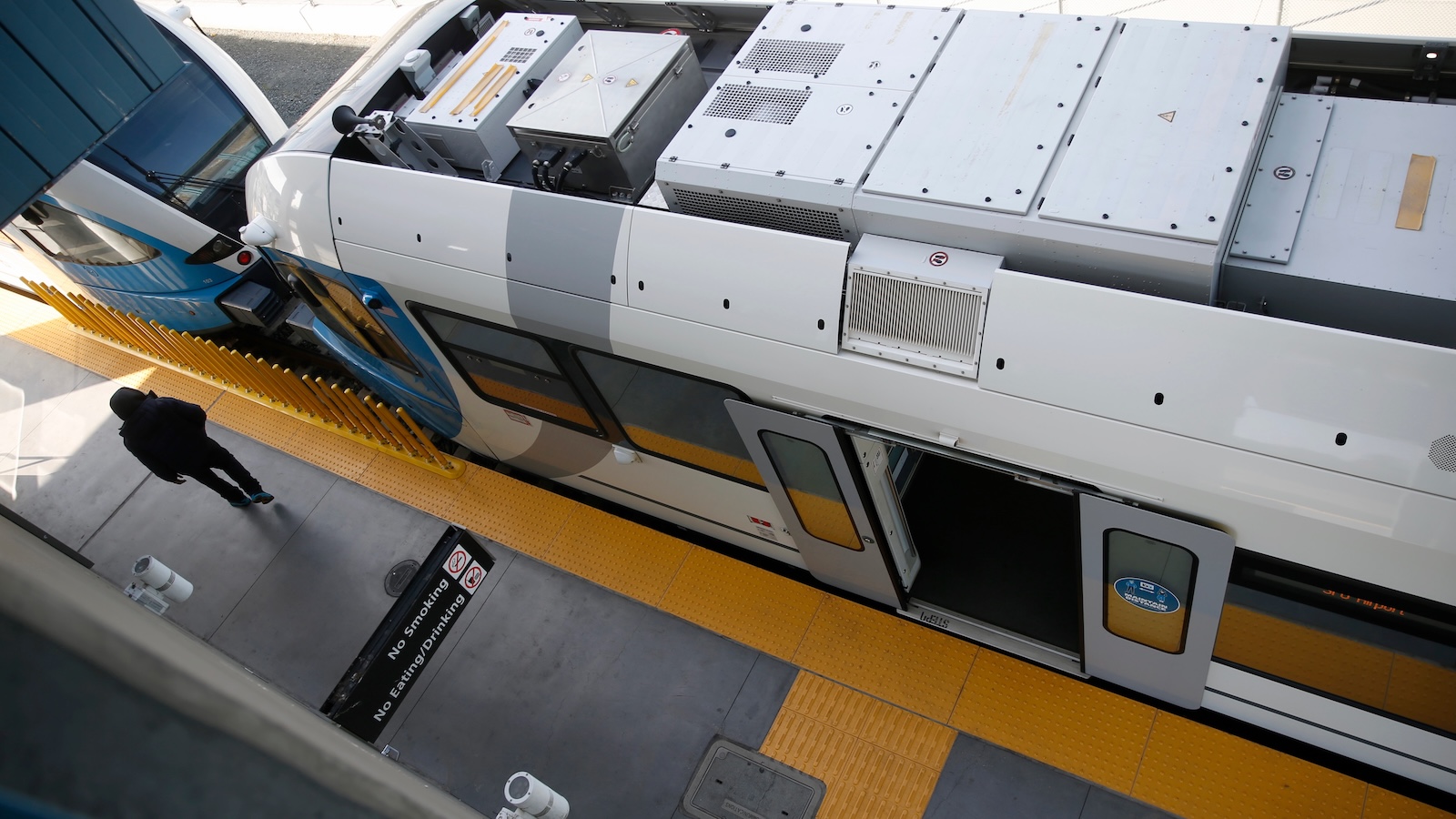
On November 3, voters approved 22 of 27 ballot measures for public transit, directing $27.4 billion toward systems across the United States. The wins came in an election shaped by worries about the cost of living—and showed that many voters still see buses and trains as worth paying for.
The money will help some agencies avoid cuts and give others room to grow. In the San Francisco Bay Area, voters backed funding that will stave off enormous cuts to Bay Area Rapid Transit and other regional systems. Colorado voters supported new regional rail, while residents of Seattle and nearby Pierce County favored expanded bus service.
The results echo a strong showing in 2024, when 19 of 25 transit measures passed. Sohail Husain, a policy analyst at the Eno Center for Transportation, said the latest vote showed people were willing to pay for transit improvements even as affordability remains a major concern. He said voters also care about mobility and having options for getting around.
The election may shape more than local routes and services. State governments have wide power over how transportation money is spent, and transit advocates see openings to advance projects in states where Democrats gained control of both legislative chambers. At the federal level, a Democratic majority in Congress will help shape a major transportation infrastructure law due for renewal.
Pennsylvania offers one example of what could follow. The Philadelphia-area Southeastern Pennsylvania Transportation Authority, or SEPTA, faced the threat of 45 percent service cuts last year. Governor Josh Shapiro directed the state transportation department to let the agency move nearly $400 million from its capital budget to daily operations, and made another $220 million available.
With Democrats now controlling both chambers of the state legislature, advocates hope SEPTA can move beyond simply keeping service running. Stephen Bronskill of Transit Forward Philadelphia pointed to plans for modernizing trolleys, replacing vehicles from the 1970s, running regional trains more often, and making stations fully accessible. He called it a rare chance to invest in safe, reliable transit for Philadelphia and the rest of Pennsylvania.
In Texas, the path is less certain because Republicans still control the Senate. Public transit receives just 0.72 percent of the state transportation department’s budget, and state leaders have generally favored highway expansion. Still, Jay Blazek Crossley of Farm&City sees a chance that lawmakers may stop blocking local transit projects. State Representative John Bucy III has again proposed asking the state to find a public-private partner for high-speed rail between Dallas and San Antonio, offering another way to travel along the congested Interstate 35 corridor.
Georgia faces its own test: Democrats won the governorship and flipped the House, while Republicans kept the Senate. Governor-elect Keisha Lance Bottoms has called for dedicated state support for Atlanta’s MARTA transit system and others that have relied heavily on local and federal money. The ballot results do not guarantee that every proposed project will move ahead. But they give transit supporters a clear sign of public backing—and a reason to keep working toward more ways for people to get around.