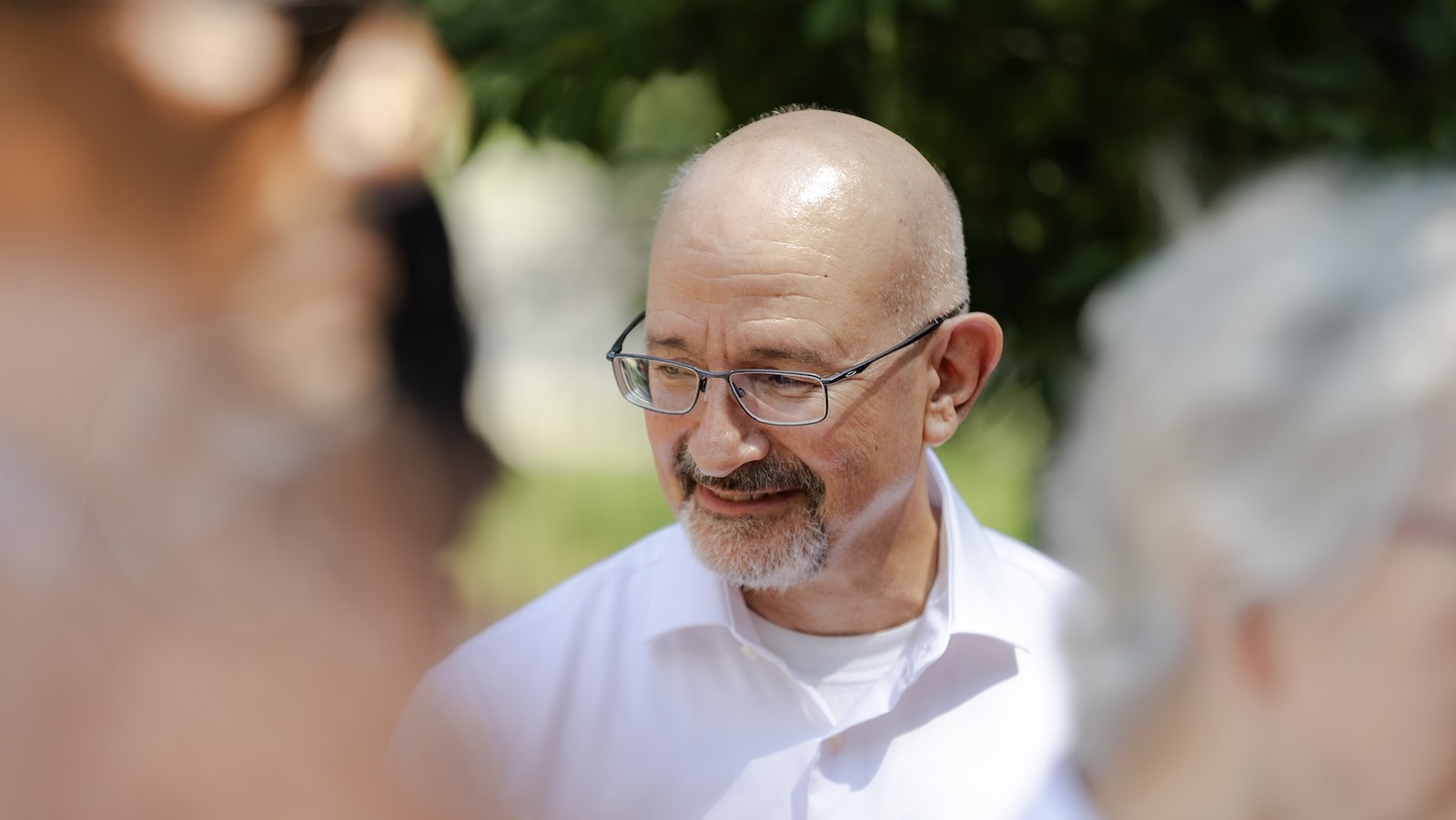
In Texas, where nearly half of the nation’s crude oil was produced in 2024, Jon Rosenthal is about to take a seat on the state agency that helps oversee the industry. He is the first Democrat elected to the Texas Railroad Commission since 1990, after defeating Republican Bo French in a closely watched race.
The commission’s name reflects its beginnings: created in 1891 to regulate railroads, it later took on oversight of Texas oil and gas. Its decisions now reach an industry with national importance. Yet the agency has long been seen as friendly to oil and gas companies, and its influence is balanced by a Republican majority. Rosenthal will join commissioners Wayne Christian and Christi Craddick, so his election alone is unlikely to bring sweeping change.
Rosenthal says he wants the commission to have more resources and to be more open to the public. At a post-election press conference, he called doubling its budget his top priority, arguing the agency needs enough staff and funding to carry out its duties. He has also criticized a recent change to the commission’s public-meeting rules as “shameful.” Adopted in August, the policy no longer guarantees public comments at monthly meetings; a comment period is included only if a commissioner asks for it on the agenda.
The policy split the two Republicans: Christian supported it, while Craddick opposed it. Virginia Palacios, executive director of watchdog group Commission Shift, said Rosenthal’s support for open meetings could create a chance for two commissioners to back a more accessible policy. She cautioned that the election is not likely to produce drastic changes, but said it could widen opportunities for public input.
Rosenthal has proposed hiring regional community liaisons to make it easier for Texans to speak up. Palacios also noted that Craddick and Christian sometimes differ on permits and other policy decisions, leaving room for Rosenthal to work with Craddick on particular issues. The commission’s Republican majority, however, will continue to shape what can pass.
A mechanical engineer, Rosenthal spent more than 25 years in the oil and gas industry before entering public office. He was first elected to the Texas House in 2018, representing parts of Houston, and won re-election three times. He calls himself a “drill baby drill” Democrat, saying economic opportunity and a clean environment can exist together.
French’s campaign also drew attention after a September racist social media post about South Asian students celebrating at a University of Texas football game, and a since-deleted 2025 online poll asking whether Jews or Muslims posed a greater threat to the United States. The comments drew condemnation from prominent Republicans and helped bring scrutiny to the contest.
Rosenthal’s next test will be turning promises about funding and access into votes and changes at an agency built around regulating a powerful industry. His election does not remake the commission, but it gives Texans a new advocate inside it for more resources and a louder public voice.