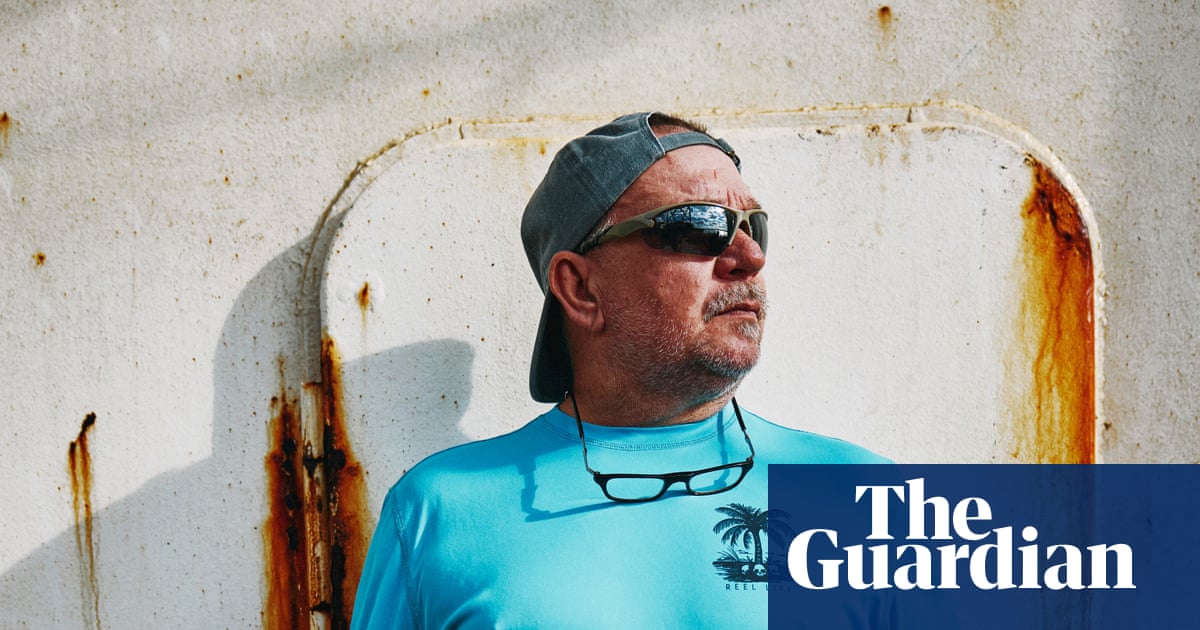
For 12 days, the crew of the Pamela Ann watched over construction workers and passing vessels at Revolution Wind, a 65-turbine project south of Rhode Island. The 86-foot scallop boat was not there to fish. It was working as a safety and monitoring vessel, with New Bedford captain Kevin Souza and his three crew members on board.
Their work shows how some New England fishers are finding a place in offshore wind, even as others fear the industry will push fishing boats out of traditional grounds or harm marine life. Sea Services North America, a cooperative of about 200 fishers, trains and equips fishing crews to support wind construction. It pays each boat $4,500 a day, plus fuel, giving crews an additional source of income when fishing work is limited.
At Revolution Wind, the Pamela Ann crew recorded marine mammal sightings, watched to make sure vessels stayed out of construction zones, and stood ready to help workers in an emergency. “God forbid, if anybody was to fall, we could be there to help them out,” Souza said. He was initially unsure about offshore wind, but now calls the work a “godsend.”
The cooperative began with a different skeptical fisher. Gary Yerman, 76, had spent more than 40 years fishing when he started hearing about large wind projects. He worried they could hurt his industry, but thought the projects would go ahead. In 2019, he and local lawyer Gordon Videll traveled to Northern Ireland, where they met fishers working with offshore wind developers. They saw that the work could provide a steady income. Yerman and Videll founded Sea Services in 2020, aiming to bring a similar opportunity to New England.
Winning over local crews took time. Some fishers were angry that the cooperative was working with wind developers, Videll said. Then the pandemic disrupted seafood demand as restaurants closed, and many fishers needed other work. Scallopers had a particular reason to look: federal rules limit their fishing to 36 days a year to help prevent overfishing. During the rest of the year, boats and crews still need income. Capt. Jack Morris, owner of a fleet that includes the Pamela Ann, said the work helps crews pay for groceries, insurance and housing. Stacy Alexander-Nevells, who runs a 19-boat operation with her father, said it keeps boats from sitting idle and crew members from being unemployed.
The arrangement has not erased the conflict. Commercial fishers have sued wind companies, arguing that projects could displace them from fishing areas and disrupt marine ecosystems. Fishers can still work in wind-lease zones, though 500-meter exclusion areas apply around construction sites. Construction can also have both positive and negative effects on marine life.
Now the cooperative’s future work faces political uncertainty. In January 2025, President Donald Trump issued an executive order halting construction of five East Coast offshore wind projects. The cooperative’s experience suggests that wind and fishing need not be treated as automatic enemies, but the work depends on projects moving forward. For crews like Souza’s, the question is whether this second livelihood will remain available.