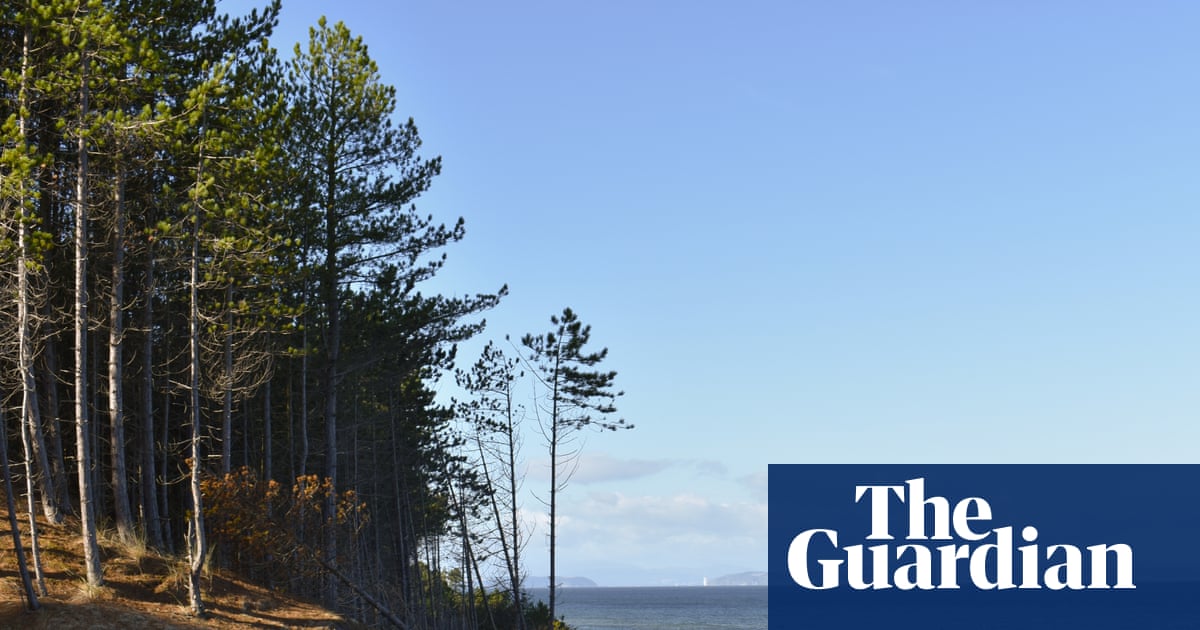
At Culbin Forest in Moray, 3,400 tiny one-flowered wintergreen plants have been given a chance to grow away from a shoreline that was crumbling into the sea. Conservationists and volunteers moved them from a site where the rare wildflowers faced an eventual loss to coastal erosion.
The rescue matters because one-flowered wintergreen is among Britain’s rarest wildflowers. In the UK, it grows only in pine woods in north-east Scotland, and it has lost more than half its population over the past 50 years. Plantlife Scotland says the species survives at just seven sites, with healthy populations at only three.
The danger at the plants’ former home was immediate. Between 2 and 3 metres of land had collapsed into the sea in recent years. “We don’t yet know how many plants will survive at their new home in Culbin Forest, but we do know that it was only a matter of time before they would have all been lost to the sea if we’d left them where they were,” said Iain Macdonald, a biodiversity adviser at NatureScot.
Plantlife Scotland organised the work with Forestry and Land Scotland, NatureScot and 18 volunteers. They cut out sections of soil around the plants rather than pulling up the flowers alone. That careful approach kept intact underground networks of fungi that the plant needs to germinate and survive.
The partnership is essential because the wintergreen has a close and unusual relationship with woodland fungi. It makes energy through photosynthesis, but it can also draw energy from fungi in the soil. That dependence has made the plant difficult to understand and its decline hard to reverse. Plantlife says changes in forest management have affected the conditions fungi need. Hotter, drier weather linked to the climate crisis has also lowered soil moisture, which the wildflower relies on.
The species’ numbers are more fragile than a count of plants suggests. An estimated 50,000 remain in Scotland, but they spread through their roots by producing genetically identical growth. The number of genetically distinct individuals may be fewer than 500. At one site, about 100 plants were found to represent just two distinct individuals.
The relocation to Culbin Forest followed a smaller trial, and conservationists have also moved a small number of plants and seeds to another wood where the species has not been recorded before. They hope to establish a new population there. The project received support from the Scottish government’s nature restoration fund.
There is no guarantee that the moved plants will take hold. But the rescue has removed them from a site where erosion threatened to wipe them out, while the additional planting could give the species another place to grow. Sam Jones, senior ecological adviser at Plantlife Scotland, said the work could help ensure endangered species like the wintergreen are not lost. Macdonald said any survival would count as a success, and that adding plants to small existing populations could help them cope with a changing environment.