Latest News
Positive stories from around the world · Good news by country
Showing 34417–34440 of 37370 articles

A new way to determine which patients will respond best to bowel cancer treatment
Scientists at The Institute of Cancer Research in London and RCSI in Dublin have developed an AI tool called PhenMap to predict which bowel cancer patients will respond to bevacizumab. The drug, approved for NHS use in December, only works for some patients but can cause serious side effects including high blood pressure, blood clots, and digestive problems. Studying 117 patients, the AI placed them on a risk scale and found that patients in the highest-risk group did not respond to treatment at all.

Waist-to-height ratio predicts the risk of hypertension better than BMI, finds study
Researchers compared two ways of measuring body fat: the old BMI formula and a new waist-to-height ratio. They studied 19,124 people aged 12 and up from the US. People with excess body fat were 91% more likely to have elevated blood pressure and 161% more likely to have hypertension. The waist-to-height method caught these risks better than BMI. The findings could lead to simpler, more accurate health screenings at the doctor's office.

Shredded stars reveal how black holes ignite trillion-sun flares
Scientists have cracked how supermassive black holes create the universe's biggest fireworks. When a star wanders too close, the black hole's gravity rips it into a thin stream of debris. That stream wraps around the black hole and crashes into itself, producing flares that briefly outshine entire galaxies. New high-resolution simulations using tens of billions of particles finally confirmed this process, resolving decades of debate among astronomers.

Hidden damage in stony corals revealed using 3D imaging and AI
Researchers at Florida Atlantic University have built a new tool to fight coral disease. They combined 3D X-ray scanning with AI to examine coral skeletons in fine detail, without harming the coral. The AI models can automatically tell the difference between coral bone and empty pores, with over 98% accuracy. This method could help scientists understand and eventually save coral reefs now being wiped out by Stony Coral Tissue Loss Disease since 2014.

Andean volcanic eruptions during the Late Miocene likely drove global cooling
A University of Wyoming research team found that giant volcanic eruptions in the Andes Mountains between 5.4 and 7 million years ago triggered a chain of events that cooled the Earth. Volcanic ash containing iron and other nutrients washed into the Southern Ocean, sparking a boom in diatoms—microscopic algae that absorb CO₂ through photosynthesis. This biological boom removed 10–15 parts per million of carbon dioxide from the atmosphere, contributing to global cooling during the warmer Miocene period.

Discarded wood helps produce hydrogen peroxide with more than 95% selectivity
Researchers at the Korea Institute of Science and Technology transformed lignin, a wood byproduct normally thrown away, into a carbon catalyst. This catalyst generates hydrogen peroxide through electrochemical reactions with 95% selectivity, matching expensive metal catalysts at a fraction of the cost. The team controlled the catalyst's surface structure to block wasteful side reactions. This breakthrough offers a cleaner, cheaper way to make a chemical used worldwide in disinfectants, water treatment, and manufacturing.

A built-in 'hairpin' mechanism in CRISPR-Cas13 prevents rogue RNAs
Researchers at the Helmholtz Institute in Würzburg, Germany discovered that CRISPR-Cas13 systems use a special hairpin-shaped RNA to block wasteful fragments called ecrRNAs. These rogue RNAs can distract the gene-editing machinery from fighting real viral threats. Interestingly, CRISPR-Cas9 systems use a similar but independently evolved solution, showing a remarkable case of convergent evolution in nature's immune defenses.

Fluorescent technique reveals hidden scale of microfiber pollution from our clothes
Researchers at the University of Manchester, along with partners at the University of East Anglia and Manchester Metropolitan University, have created a new way to find microfibers from clothes. They use a fluorescent dye that makes tiny fibers glow bright, making them easy to count under a microscope. Standard methods were missing many of the smallest particles. The new technique reveals that pollution from textiles is much bigger and more complex than scientists realized.

New finding causes scientists to reconsider what actually causes cerebrospinal fluid buildup in the brain
Scientists at Stony Brook University have overturned a 100-year-old understanding of hydrocephalus, commonly called "water on the brain." For over a century, doctors believed the condition was caused by cerebrospinal fluid buildup and the brain's inability to absorb it. The new research shows hydrocephalus is actually caused by the brain's failure to absorb pulsatile energy from heartbeats.

Limonene enables highly efficient asymmetric synthesis via the Mitsunobu reaction
Scientists at the University of Tsukuba in Japan discovered that limonene, an oil found in citrus fruit peels like oranges, can improve how medicines and cosmetics are made. The Mitsunobu reaction is a common method for creating specific mirror-image molecules called enantiomers, but removing unwanted by-products has always been difficult. With limonene as the solvent, only the desired product dissolves while by-products separate automatically. This shifts the reaction toward completion and makes purification much simpler.
Walsh hits century - but who has most England Women caps?
Keira Walsh has become the latest England Women player to score 100 caps in football. She reached this milestone during a match against Spain, joining an elite group of players. The record holder is Fara Williams with 172 caps, followed by Jill Scott with 161. Currently, Lucy Bronze is closest to Williams' record with 146 caps.

Dreamspeakers Festival returns to Edmonton - Alberta Native News
Edmonton's Dreamspeakers International Indigenous Film Festival is back for its fourth decade, running April 15-19, 2026. The event features more than 30 films, workshops, and an artisan market celebrating Indigenous storytelling from around the world. Films include works from Australia, New Zealand, Mexico, and the Maasai community in East Africa. Joshua Jackson leads a film pitching workshop, and the festival opens with a free screening of 'Nika & Madison' at Metro Cinema.

Base editing repairs mutation and liver function in mouse model of Zellweger spectrum disorder
Scientists at the Broad Institute and partner labs discovered that base editing can fix the mutations causing Zellweger spectrum disorder, a rare condition that damages the liver and brain. In tests on mice, the treatment restored function to the liver and to tiny cell parts called peroxisomes. The team developed an improved version of a base editing enzyme called ABE8e-V106W, which was both more effective and caused fewer unintended genetic changes.

Integration of two genes: A valuable strategy for developing virus-resistant tomatoes
Researchers at Kindai University in Japan discovered that combining specific virus-resistance genes can fully protect tomato crops from devastating diseases. They tested tomato lines against three highly virulent begomovirus strains common in tropical Southeast Asia. The best results came from tomato lines carrying both Ty-1 or Ty-3 genes along with Ty-6, which showed no disease symptoms at all. This finding offers farmers a reliable way to breed tomatoes that resist crop-destroying viruses.

Torsion balances set strongest direct limits yet on ultralight dark matter
Scientists at the University of Tokyo have found a new way to search for dark matter using an old tool. Torsion balances are precision instruments originally built to test basic physics rules. Researchers discovered these same devices can detect ultralight dark matter particles when they scatter off the balance. The team set the strongest detection limits yet for dark matter in the 0.01 to 1 eV mass range. This opens a new window for catching particles that make up most of the universe's matter but have never been directly seen.
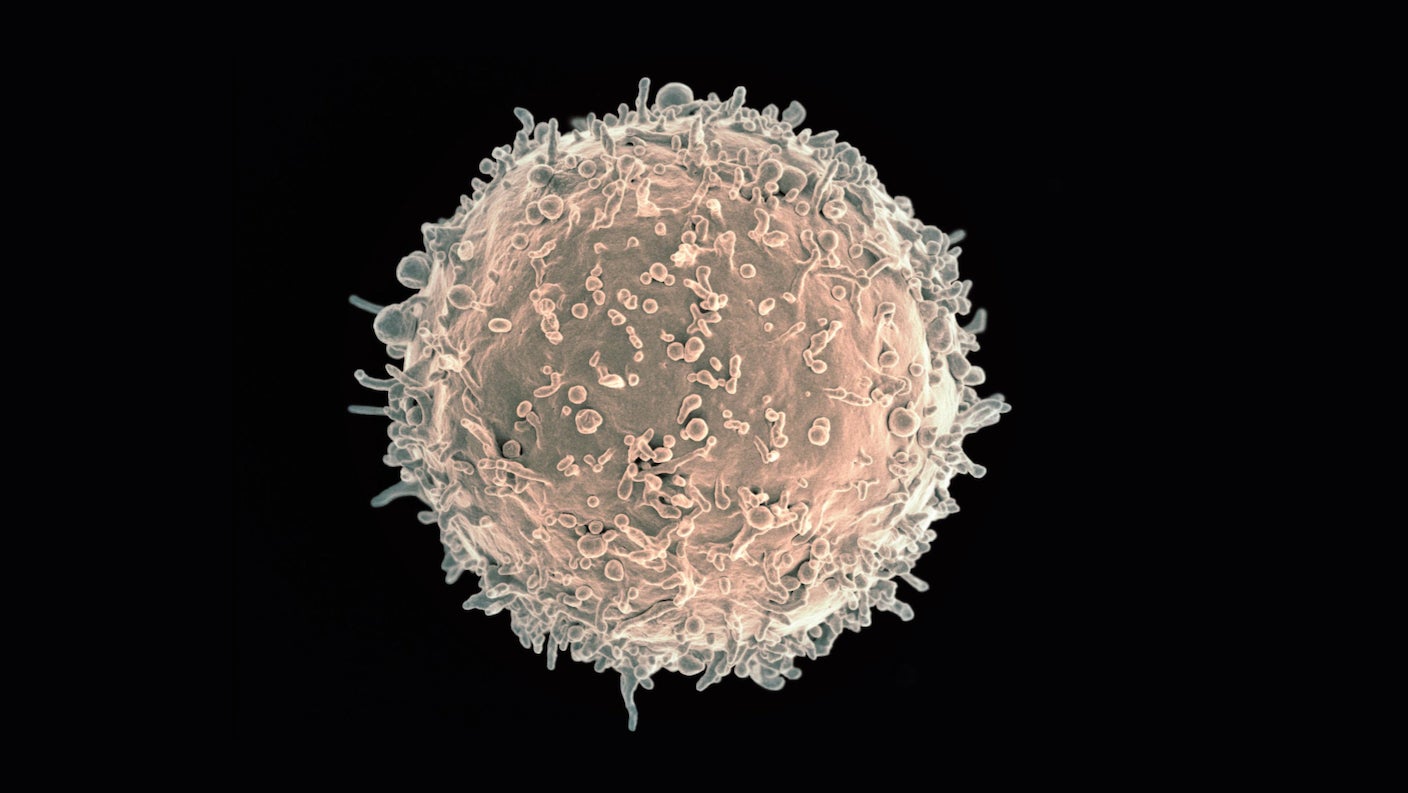
One Shot Just Crushed Three Deadly Autoimmune Diseases
A 47-year-old woman in Germany survived three deadly autoimmune diseases thanks to CAR T cell therapy. Her rogue B cells had been attacking red blood cells, platelets, and a clot-prevention protein, requiring up to three daily blood transfusions. After nine failed treatments, she received a single infusion of her own genetically edited T cells. Her symptoms disappeared within weeks, and she was completely off medication at her 11-month follow-up, effectively cured.

Mirror-positioning method could make quantum gravity tests possible
Scientists at Kyushu University in Japan have developed a new method that could finally allow experiments to test whether gravity obeys quantum rules. The approach uses "momentum-squeezed states" to amplify the faint signals that would prove gravity is quantum. When objects interact only through gravity and become entangled, it shows gravity follows quantum mechanics. By making mirrors exist in a quantum superposition over larger areas, the team can now detect this effect more easily.

This laser breakthrough supercharges osteoporosis treatment by exposing bone's hidden growth switch
Researchers at Seoul National University in South Korea have created a new laser tool that can extract bone-building cells without destroying them — a world first. Osteoporosis, which weakens bones and makes them easy to break, affects one in three women over 50 and kills about 20% of patients within a year after hip or spinal fractures. Current drugs either fail to rebuild bone or carry heart risks that limit treatment to just one or two years.

Industries most exposed to AI are not only seeing productivity gains but jobs and wage growth too
A major 7-year study of U.S. industries found that workplaces most exposed to AI tools are thriving, not suffering. Industries with one standard deviation higher AI exposure saw 10% more productivity, 3.9% more jobs, and 4.8% higher wages compared to less-exposed industries. The research tracked nearly all U.S. employers from 2017 to 2024, using administrative data to move beyond predictions to actual observed results.
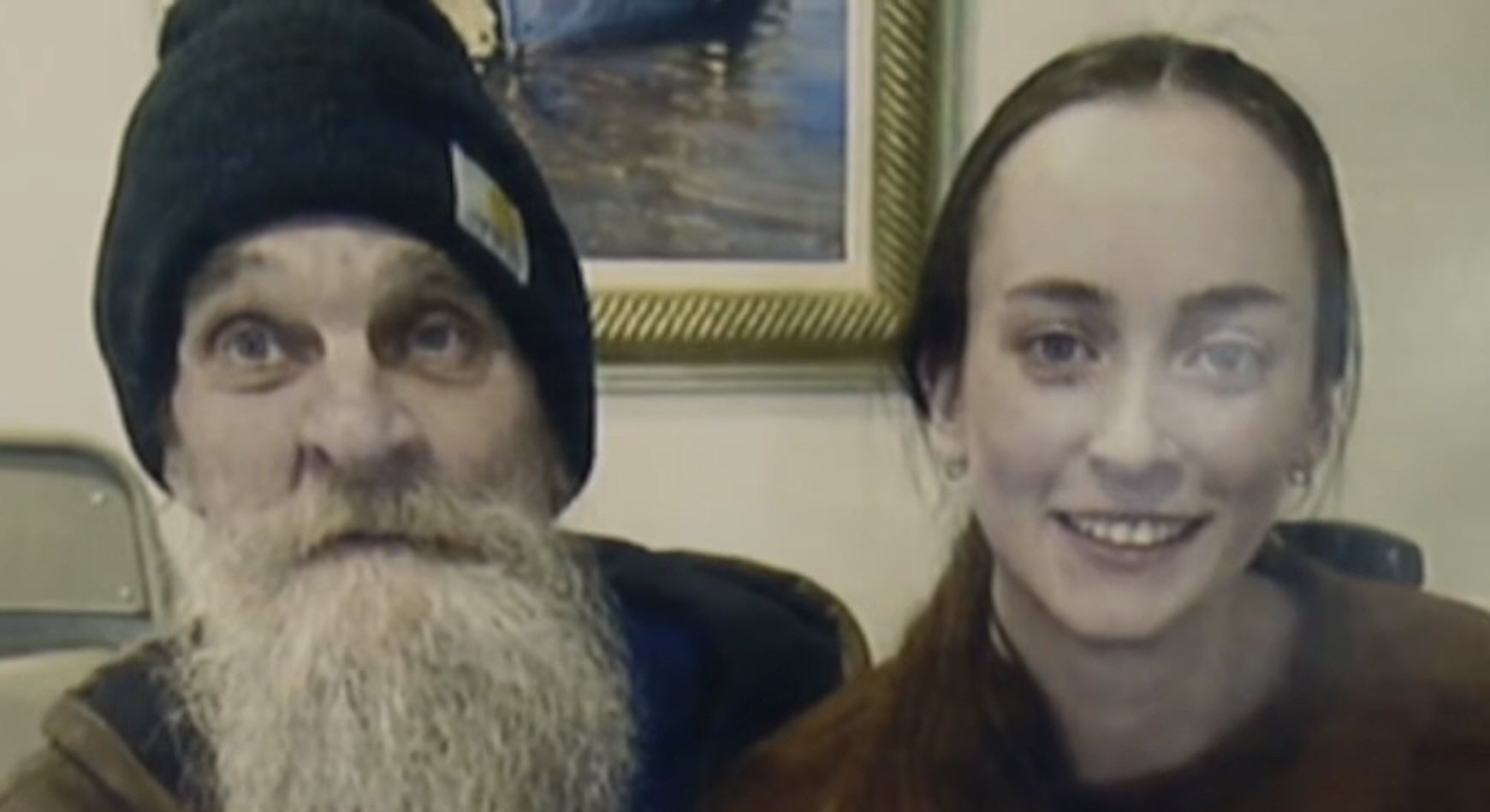
Restaurant Owner Shelves Easter Plans to Fulfill Dying Man’s Last Wish to Feed His Hospice Nurses
Tommy Milani, owner of Sub Delicious in Lockport, New York, dropped everything on Easter to make pizzas for the nurses at Niagara Hospice. His customer, Ken Ozimek, had called around desperately — everywhere was closed for the holiday — because his brother Frank Ozimek wanted to thank the nurses who had cared for him during 6 weeks of cancer treatment. Frank, a 67-year-old father of 3, had little time left and just wanted to spread some joy. Milani called the nurses "saints" for their work.
Terry attends Colchester game amid takeover reports
Former England and Chelsea defender John Terry was at Colchester United's game on Tuesday. Reports say he is part of a group offering £14m for the club, which chairman Robbie Cowling put up for sale last year. Terry's nephew Frankie also played the full 90 minutes. Colchester won 2-1, moving up to 12th in League Two with three consecutive victories. Cowling said detailed discussions are ongoing but declined to name those involved.
IonQ Achieves Milestone in Networked Quantum Computing - College Park Today
IonQ announced it connected two independent quantum computers using light particles called photons. This photonic link lets quantum computers share information and work together. The achievement is a major step toward creating large-scale quantum networks that could solve problems beyond today's best supercomputers. Quantum computers use the strange rules of physics at the atomic level to process information in powerful new ways.

Deep-sea wildernesses are more important than the promise of seafloor mining (analysis)
A scientist who once supported deep-sea mining has flipped after studying a hydrothermal vent field near Papua New Guinea in 2008. The vent site, called Solwara I, contains unique marine life found nowhere else on Earth—including special octopuses and crabs that live only in the deep sea. Hydrothermal vents are extremely rare; all known vents combined are smaller than Manhattan. The scientist now urges protecting these ocean wildernesses instead of mining them for metals used in electric vehicles.

This nasal spray rewinds the aging brain, restoring memory and reversing inflammation in preclinical models
Researchers at Texas A&M University developed a nasal spray that reverses brain aging in animal tests. The spray targets "neuroinflammaging"—chronic brain inflammation that causes memory problems and foggy thinking. Just two doses dramatically reduced this inflammation, restored the brain's cellular power plants, and improved memory for months. The treatment worked equally well in male and female subjects. If successful in humans, it could transform how we treat dementia and age-related cognitive decline.