Latest News
Positive stories from around the world · Good news by country
Showing 34513–34536 of 37367 articles

Trinidad and Tobago teams up with the ILO to boost national productivity
The Government of Trinidad and Tobago has teamed up with the ILO to boost national productivity, aiming to create better jobs and safer workplaces. The plan focuses on helping small and medium businesses improve how they work through a training method called SCORE. This approach has already helped more than 5,800 enterprises in over 30 countries since 2009. The programme will work at three levels: improving individual businesses, strengthening entire sectors, and shaping government policies.
'No fear, pure fire' - Arteta defiant on pivotal week
Arsenal manager Mikel Arteta is urging his players to show 'pure fire' this week after a devastating run of results. The Gunners have lost three matches in a row — the Carabao Cup final to Manchester City, an FA Cup upset against Championship side Southampton, and a league defeat to Bournemouth. Their lead at the top of the Premier League has been cut to six points, with rivals Manchester City holding a game in hand.

Next-generation atomic clock successfully tested at sea
Australian scientists have successfully tested a portable atomic clock at sea for the first time. The device, developed by Adelaide University's IPAS institute, uses laser-cooled ytterbium atoms to track time far more accurately than ordinary clocks. It ran continuously for several days aboard a Royal Australian Navy ship despite waves, vibration and temperature changes. This breakthrough could lead to better satellite navigation, improved telecommunications and enhanced radio astronomy.

Hazy, hot and… shady? How street trees counteract air pollution and heat in American cities
A new study from Northeastern University reveals that street trees can break the link between extreme heat and air pollution in American cities. Researchers examined 55 cities and found that neighborhoods with tree-lined streets rarely experienced both hazards together. Detroit was highlighted as a positive example, where areas with good tree canopy had lower correlation between heat and pollution. The findings show that simple green solutions can address multiple environmental hazards in urban areas.

People who consume ultra-processed foods have worse muscle health, study suggests
Researchers at the University of California, San Francisco studied 615 people and found that eating more ultra-processed foods was linked to more fat stored inside thigh muscles. About 41% of the participants' diets came from ultra-processed foods on average. The fat buildup inside muscles could raise the risk for knee osteoarthritis, a painful joint condition. The researchers used regular MRI scans to measure the fat in participants' muscles.

Extending social protection coverage to workers in the agricultural sector and their families: Lessons from international experience
Agricultural workers make up about 1.2 billion people globally, yet most lack basic social protection due to informal employment and policy gaps. The International Labour Organization's new brief collects strategies countries are using to fix this. Solutions include mobile registration units, flexible contribution plans, and targeted assistance for those facing shocks. While challenges remain, these approaches show real progress is possible.

Cosmic dust identified as the source of Venus' enigmatic lower haze
Scientists have cracked a long-standing cosmic puzzle about Venus. A team from Tohoku University in Japan discovered that the planet's mysterious lower haze layer comes from cosmic dust—tiny particles from meteoroids constantly raining down on Venus. Using advanced computer models, they showed that as sulfuric acid evaporates in the lower atmosphere, the dust particles stick together to form the haze. The discovery also reveals that cosmic dust acts as "seeds" for cloud formation, boosting cloud production by 20–30%.

Researchers discover what may be the root cause of preeclampsia—and how to fix it
Scientists at the University of Michigan have identified VGLL3, a protein in the Hippo signaling pathway, as a key driver of preeclampsia. The condition affects roughly 1 in 10 pregnancies globally and 5-8% in the US, causing high blood pressure and risking infant mortality. When researchers deleted VGLL3 in mouse placentas or modulated it in human tissue, they prevented or reversed preeclampsia symptoms without harming mother or fetus.
New Method Traps And Releases PFAS From Drinking Water | Mirage News
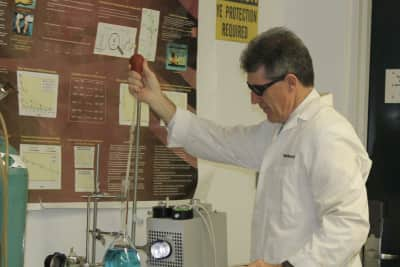
Scientists at Florida International University have created a new way to remove toxic PFAS chemicals from drinking water. The method uses sugar molecules shaped like tiny donuts that act as molecular handcuffs, capturing PFAS at neutral pH. When baking soda is added to make the water more basic, both the PFAS and sugar material become negatively charged and repel each other—releasing the chemicals so the material can be reused.

Scientists just debunked a 50-year myth about Hawaii’s birds
A new study from the University of Hawaiʻi at Mānoa overturns a 50-year-old myth that Indigenous Hawaiians hunted native waterbirds to extinction. Researchers found no evidence of widespread overhunting. Instead, they say bird declines were caused by climate change, invasive species, and land use shifts—many happening before Polynesian arrival or after traditional stewardship was disrupted.

The 11 Endangered Species Bouncing Back Thanks to Conservation Efforts - Animals Around The Globe
The giant panda has become the face of conservation success, recently reclassified from 'endangered' to 'vulnerable' after years of habitat expansion, bamboo replanting, and successful breeding programs in China. Conservation efforts are paying off for 11 species total, including black rhinos in Africa, mountain gorillas in central Africa, snow leopards across Central Asia, and green sea turtles on beaches worldwide.

Chinese team shows quantum tech can disrupt AI in a real-world task | South China Morning Post
Chinese researchers have achieved a major leap in quantum computing efficiency. Their system uses just 9 quantum spins but matches AI systems needing 10,000 classical computing nodes for weather-prediction tasks. A typical AI computing center for weather forecasting costs $100 million or more, but this quantum system delivers similar results for less than 1% of that cost.
Scientists discover why bread can cause weight gain without extra calories
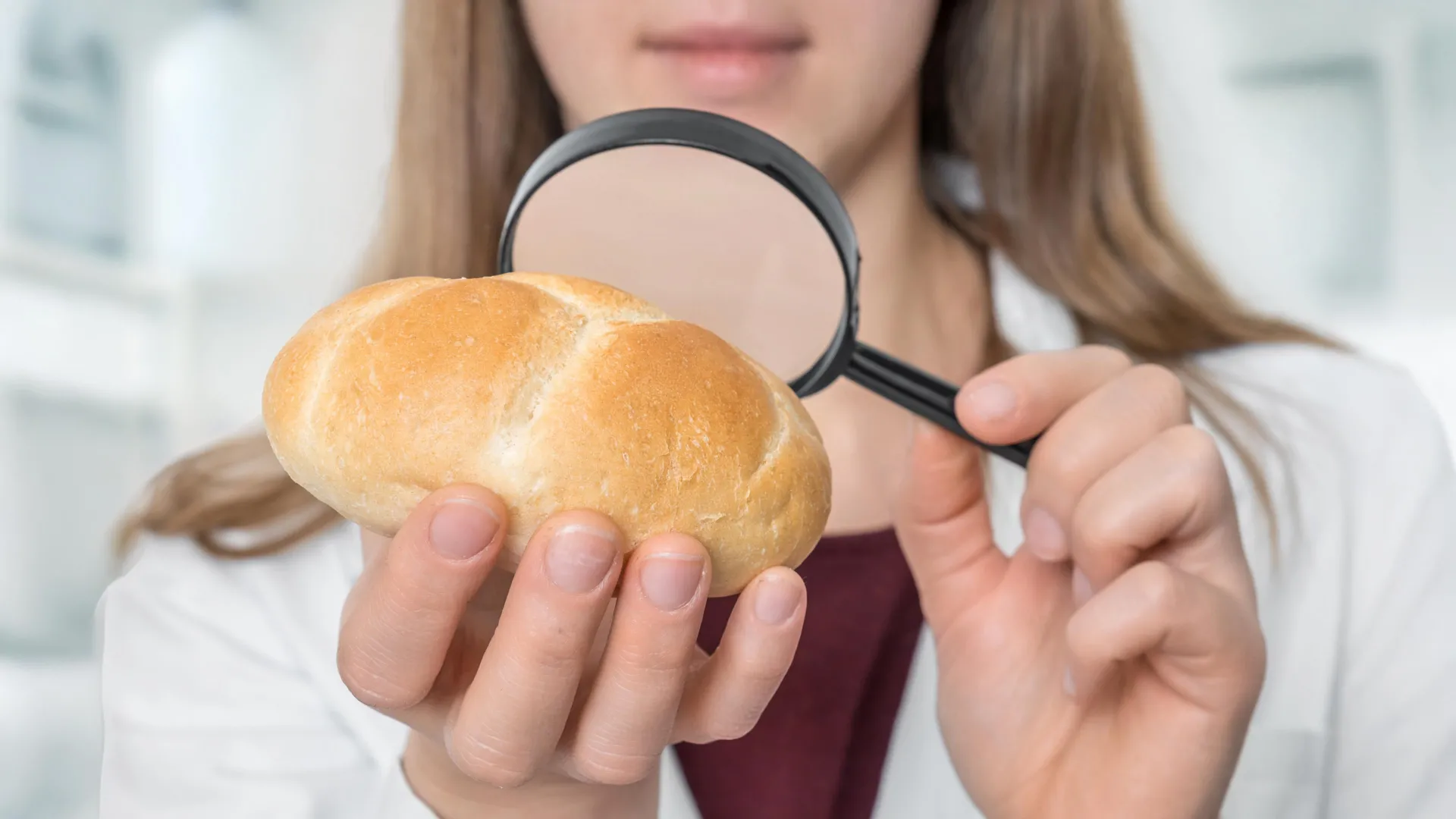
Scientists at Osaka Metropolitan University in Japan studied how carbohydrates like bread, wheat, and rice affect metabolism in mice. The mice strongly preferred carb-rich foods, abandoning their regular diet. Even without eating more calories, the mice gained weight and body fat. The weight gain was caused not by overeating, but by reduced energy expenditure—their bodies simply burned fewer calories. When wheat flour was removed from the diet, both body weight and metabolic abnormalities improved quickly.

Bats on a break: Tracking the secret life of pond bats
Scientists at Leiden University attached 1.2-gram GPS loggers with motion sensors to pond bats in Leiden and Rotterdam. For the first time, they could track not just where bats go, but what they do. The data revealed pond bats spend roughly 33% of nighttime resting between feeding bouts—often hanging in trees at forest edges near water. Previously, researchers focused on daytime roosts and foraging areas. Now, protecting the full landscape of feeding, commuting, and resting habitats is key to conserving this vulnerable species.

Why fasting can lead to a longer lifespan
Researchers at UT Southwestern Medical Center found that short fasting cycles can extend lifespan by over 60% in Caenorhabditis elegans roundworms. What matters most is not the fasting period, but how the body recalibrates its metabolism when food returns. A protein called NHR-49 helps control this process by switching between breaking down stored fats during fasting and rebuilding energy reserves during refeeding. Although conducted in worms, these findings could eventually lead to new ways to boost human health and longevity.
What does the new £1bn investment in community energy really mean?
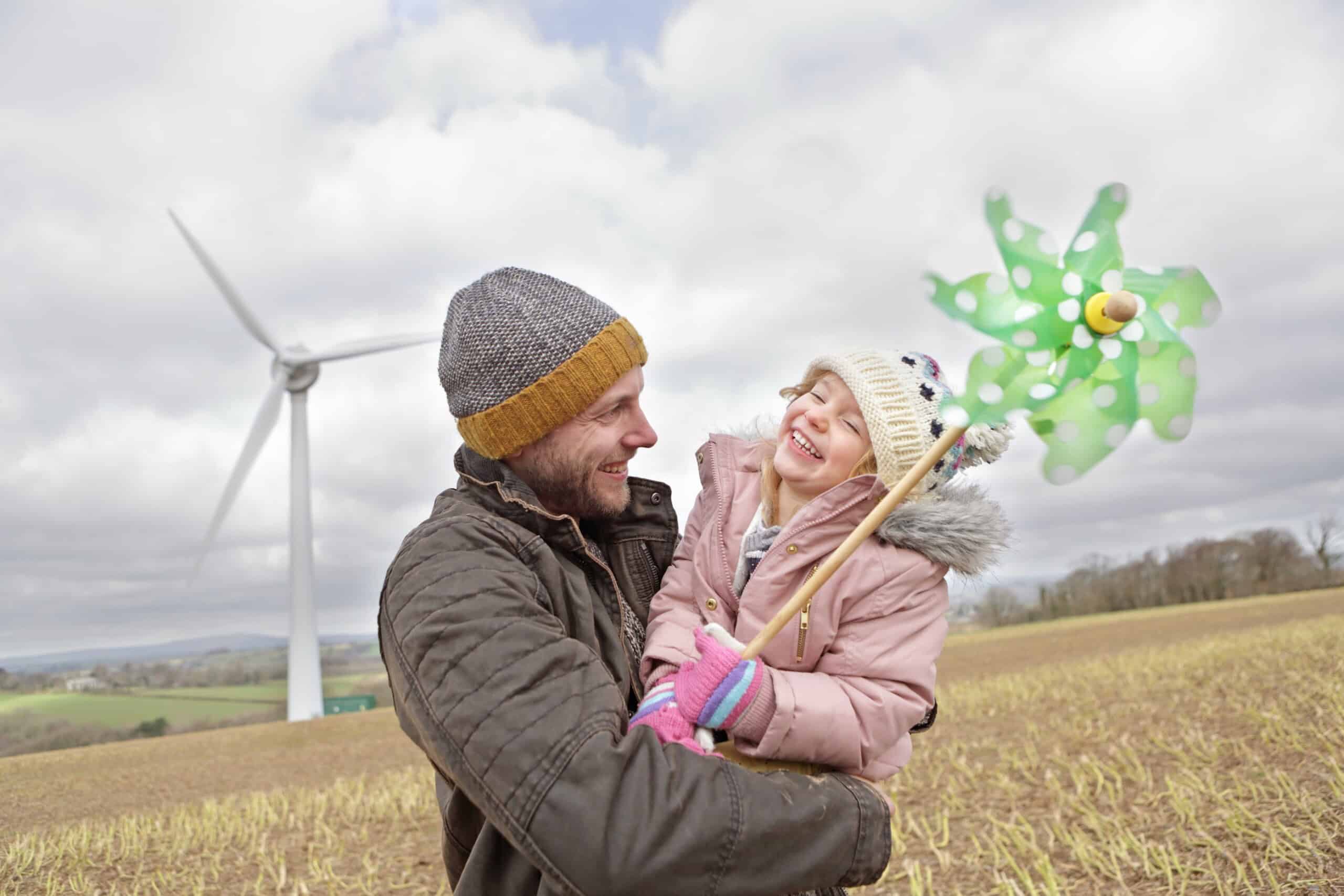
The UK government has pledged £1bn for community-owned clean energy — the largest public investment of its kind in the country. The Local Power Plan aims to deliver 8GW of locally owned renewable power by 2030. Money will flow through Great British Energy, a new publicly owned energy company. Currently, community energy makes up just 0.5% of UK electricity, despite evidence showing these projects deliver 12 times more local economic value than commercial schemes.
Blocking a single protein supercharges the immune system against cancer
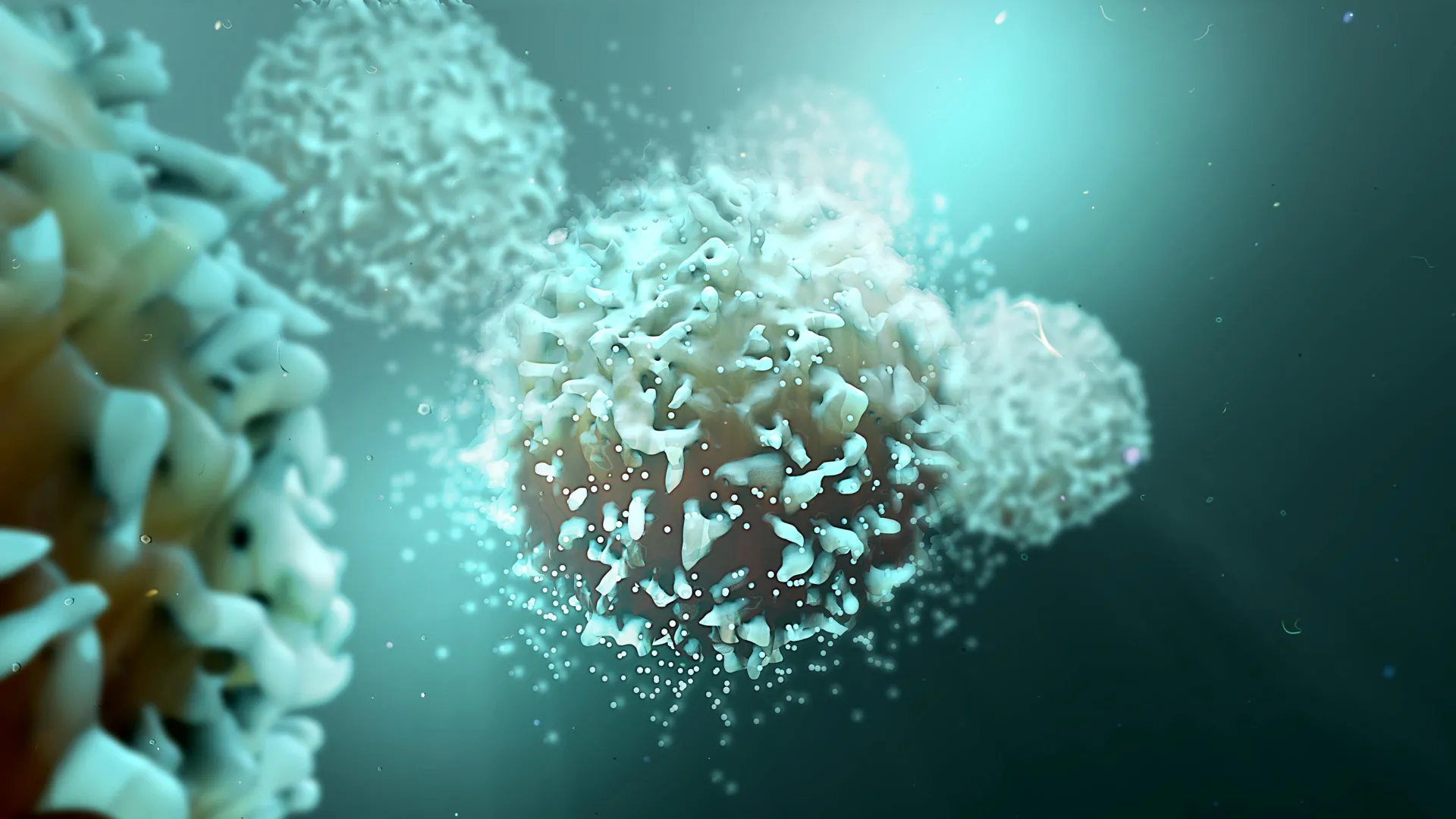
Researchers discovered that blocking a protein called Ant2 can supercharge the immune system's T cells against cancer. By disrupting how these cells produce and use energy, they essentially rewired the cells' internal power supply. This transformation makes T cells more active, more durable, and better equipped to destroy tumors. The international team found this metabolic shift can be triggered with drugs, raising the possibility of translating this discovery into real-world cancer therapies.

USDE Prioritizes AI in Awarding Grants, New Rule Goes into Effect on May 13th – National Association of Pupil Services Administrators
The U.S. Department of Education issued a final rule making artificial intelligence a priority in school grant decisions. Starting May 13, schools using AI to help students with disabilities, reduce teacher administrative work, or personalize learning will score higher on grant applications. The rule also supports teacher training in AI and dual-enrollment programs where high schoolers can earn college credit in AI. While some education leaders wanted separate funding for AI programs, that request was not included in the final rule.
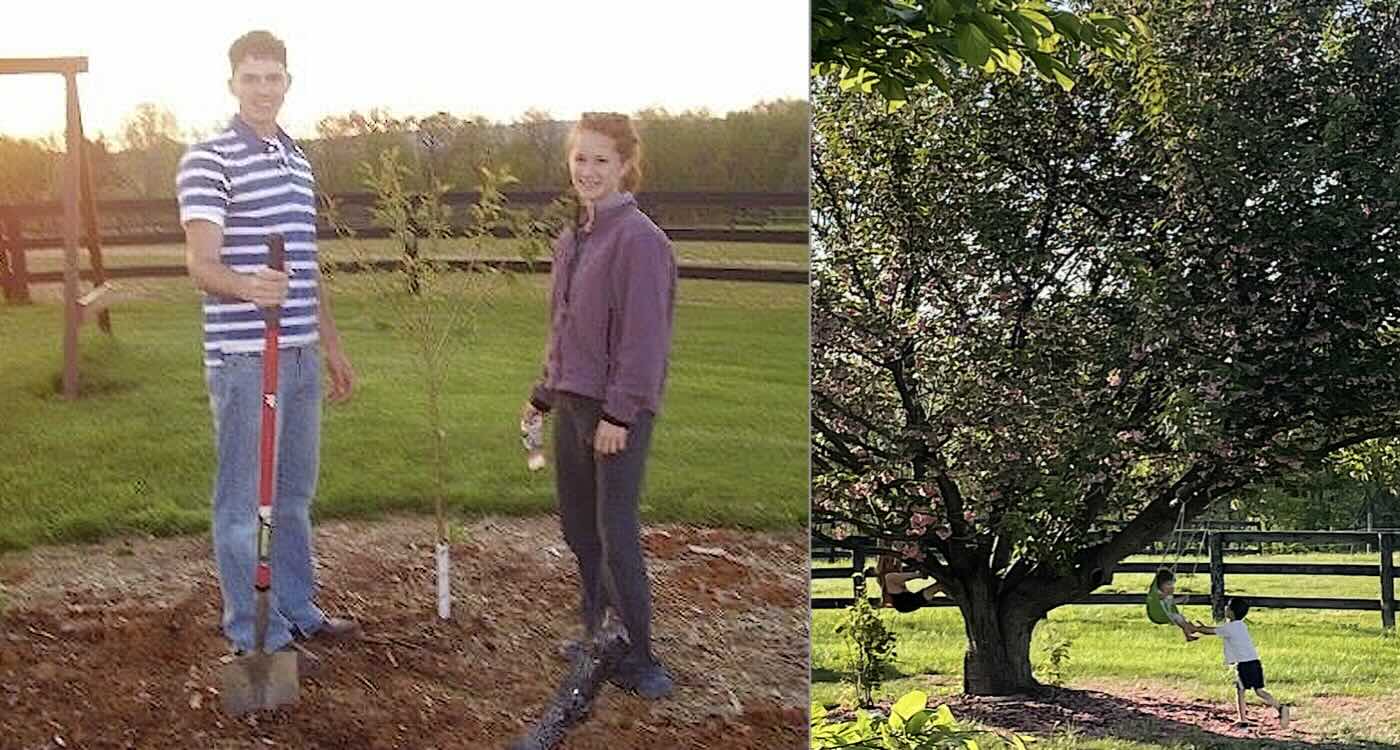
Tree They Planted as Teen Sweethearts Suddenly Had Baby Offshoot Growing After She Got Pregnant
Kelsey and Wes Dixon planted a cherry tree together in 2007 when they were high school sweethearts. Every year since, they've returned to take a photo with the tree—including one featuring Kelsey's baby bump after they married. When she gave birth to twins, the tree sprouted new basal shoots from its roots in the same year. Their story went viral, earning 17 million Instagram followers and 48 million views. Kelsey has now published a children's book called 'Roots and Wings' about their tradition of nurturing love over time.

A 'blob' in a tank is helping scientists tease out the secrets of turbulence
In a lab at the University of Chicago, scientists have built a tool called 'The Blob' to study turbulence in its purest form. By firing water jets to create rings in a special tank, they isolated turbulence from walls and paddles—something never done before. Their study found that turbulence spreads out smoothly and lasts much longer than we can actually see. The findings, published in the journal PNAS, could help engineers design better planes, turbines, and even fusion reactors.
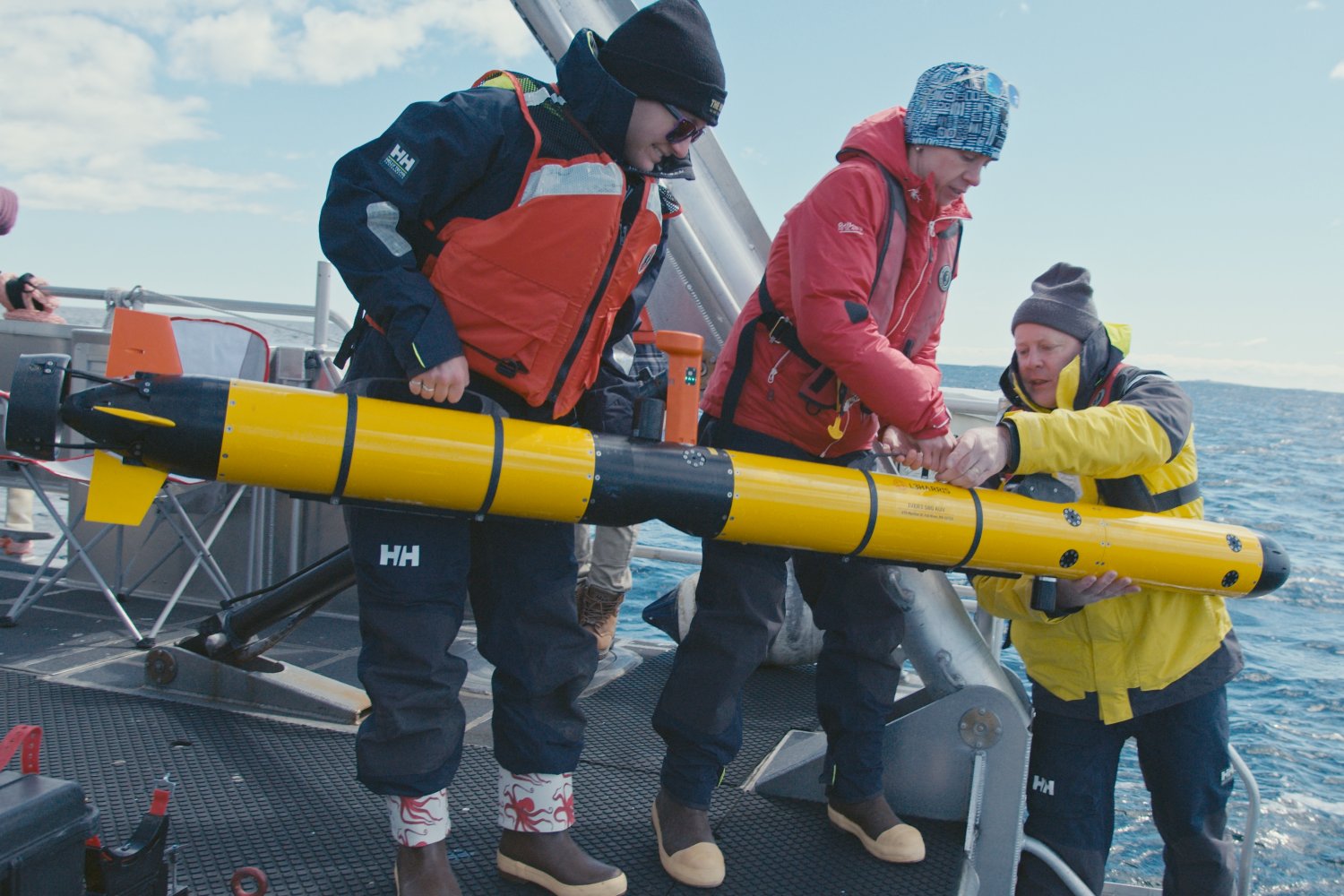
Human-machine teaming dives underwater
MIT Lincoln Laboratory researchers are building robots that can team up with human divers underwater. The goal is to combine what robots do well — fast movement, powerful computers, and long endurance — with what humans do well — skilled hand work and recognizing objects in tricky conditions. The team is developing navigation and perception systems so robots can guide divers through dark, murky water. The technology could help fix broken underwater cables, aid search and rescue missions, and support military harbor operations.
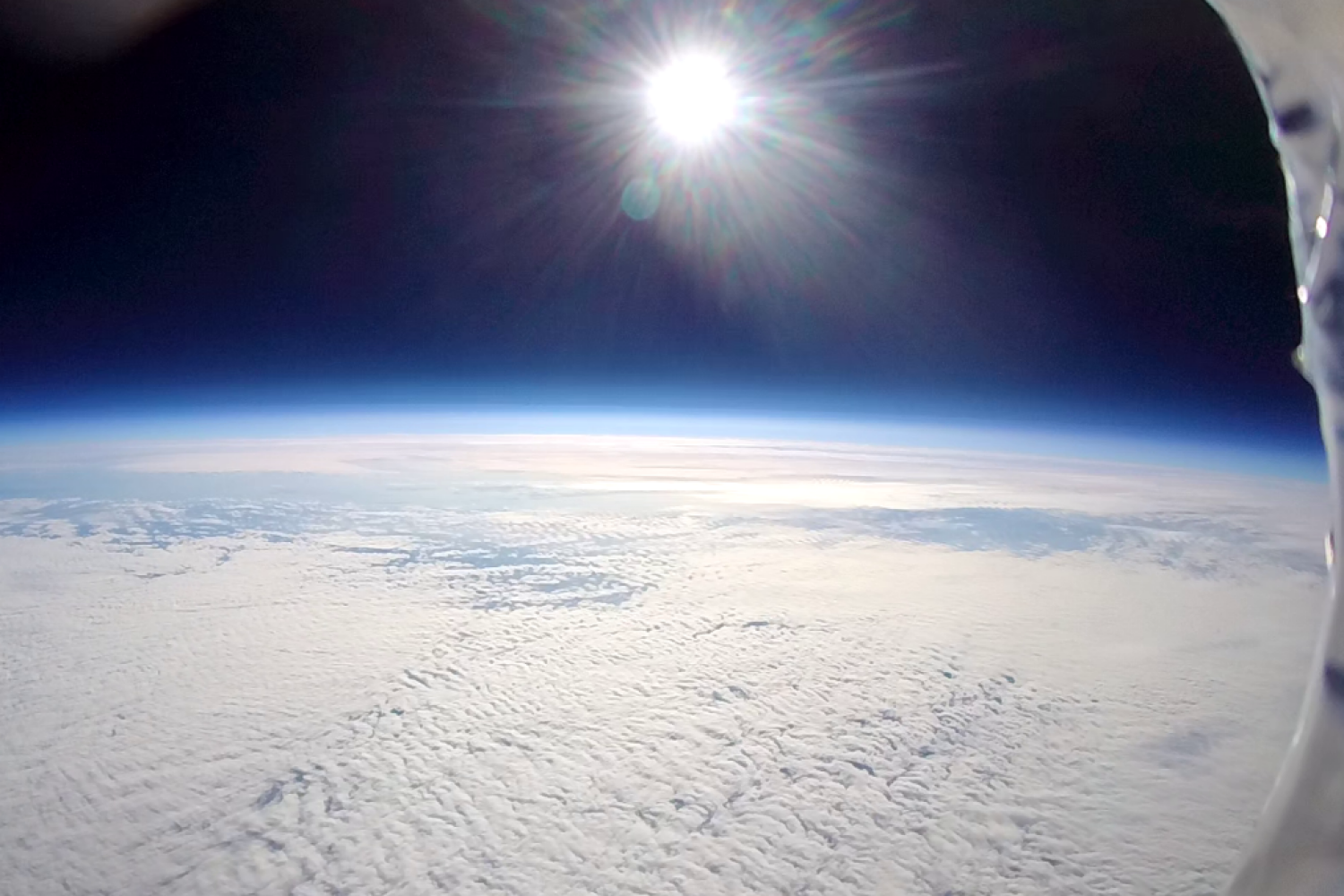
Flying at the edge of the stratosphere
MIT has brought back a hands-on aerospace engineering course for first-year students. Five teams launched weather balloons into the stratosphere—over 20 kilometers above Earth—from the New York Catskills. The 16.00 course was revived in 2025 after being paused during the pandemic. Students spent 13 weeks learning to build sensors, test communication systems, and calculate payload weights before their successful launches.
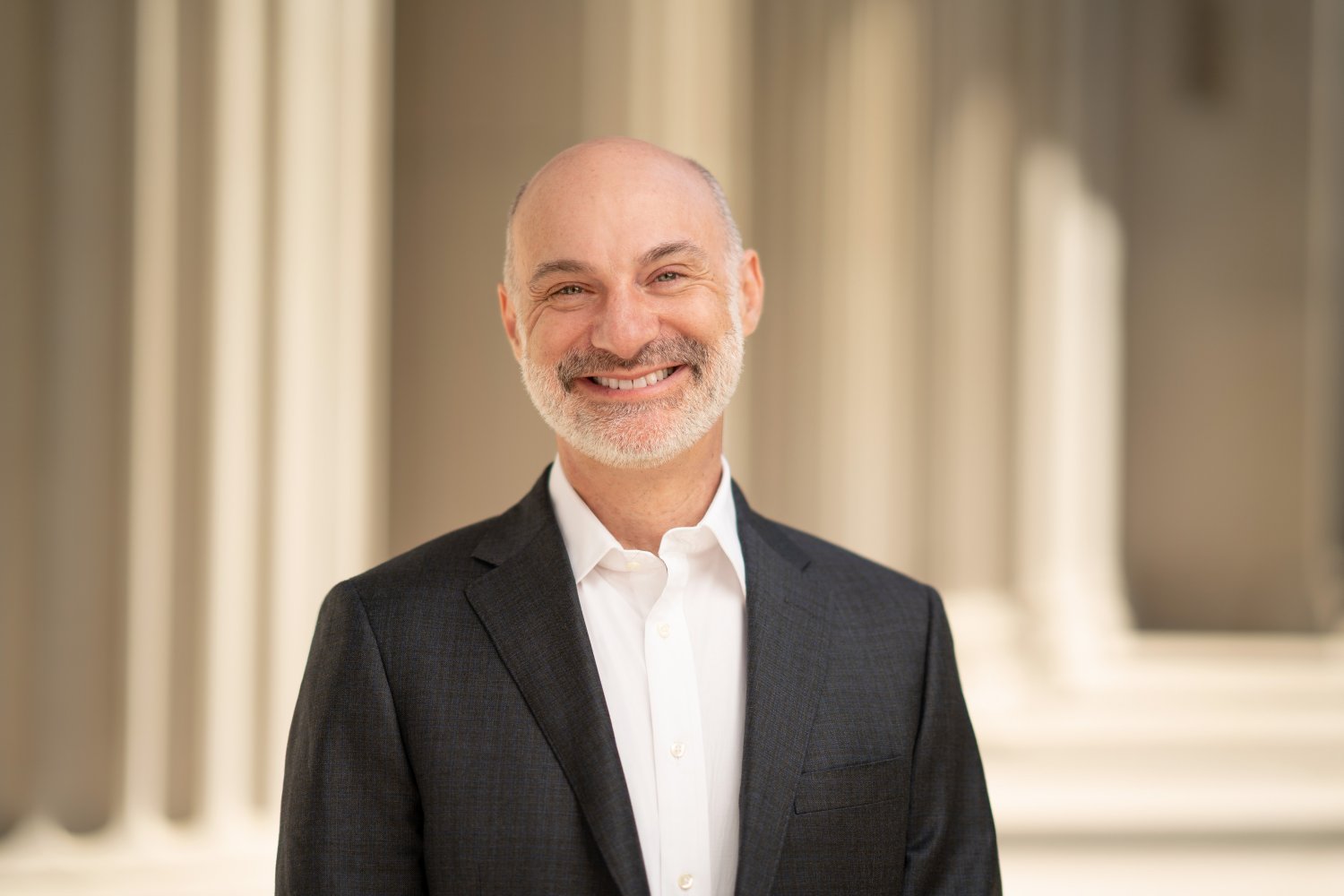
Q&A: MIT SHASS and the future of education in the age of AI
MIT's School of Humanities, Arts, and Social Sciences (SHASS) is celebrating its 75th anniversary. In an interview, Dean Agustín Rayo explains why combining technical skills with humanities is more important than ever in the AI age. He argues that universities should focus on developing students' critical thinking, moral understanding, and ability to find meaning — skills that AI cannot replace. MIT has long required its students to take at least eight HASS courses to graduate.

Lonely people have worse memory but don’t decline faster, study finds
Scientists studied over 10,000 adults aged 65 to 94 across 12 European countries for 7 years. They found that people who felt lonelier had worse memory at the start, but their memory did not get worse any faster than others. This suggests loneliness may affect how well your memory works to begin with, but it does not cause sharper decline over time. Researchers from Colombia, Spain, and Sweden say doctors should check for loneliness as part of memory health assessments for older adults.