Latest News
Positive stories from around the world · Good news by country
Showing 36841–36864 of 37342 articles

MIT researchers use AI to uncover atomic defects in materials
MIT researchers built an AI system that spots atomic-scale defects in materials. Tiny flaws called defects are intentionally added to steel, semiconductors, and solar cells to make them work better. The new AI tool can find these defects 10 times faster than old methods. Scientists hope this will lead to stronger materials and more efficient clean energy technology.
Decision concerning the ILO’s Human Resources Strategy for 2026–29
The International Labour Organization's Governing Body has endorsed the organization's Human Resources Strategy for 2026-29. This decision was made during the 356th Session of the Governing Body in April 2026. The document records this decision but contains no specific details about what the strategy includes or how it will affect ILO staff or global workers. The record appears to be administrative in nature.

Brazilian settlers turn to reforestation in ambitious land recovery plan
Settlers in Pontal do Paranapanema, western São Paulo, are turning away from sugarcane monoculture toward forest restoration. Biologist Haroldo guides reforestation efforts along the Paraná River, which forms the border between São Paulo and Mato Grosso do Sul states. The land once supported the Inland Atlantic Forest, where trees shed leaves during dry seasons. This land recovery plan represents a growing movement to restore Brazil's native ecosystems.
Decision concerning the complaint submitted under article 26 of the ILO Constitution alleging non-observance by Chile of Conventions Nos 87, 98, 135 and 151
The International Labour Organization (ILO) Governing Body has published a decision regarding a formal complaint against Chile. The complaint alleges that Chile has not observed four key labor conventions: Conventions 87 and 98 on freedom of association and collective bargaining, Convention 135 on workers' representatives, and Convention 151 on labor relations in the public service. These conventions form the backbone of international protections for workers' ability to join unions and negotiate with employers.

Voices from Mali at the 6th Global Conference on the Elimination of Child Labour
Mali's government, employers, and workers sent a joint delegation to the 6th Global Conference on the Elimination of Child Labour in March 2026. The tripartite team shared concrete results and fresh promises to protect children from dangerous or harmful work. The conference connected experts working in classrooms with those tackling child labour in global supply chains. The International Labour Organization (ILO) organized the event.

‘People want a different vision of society’: London’s march for unity draws thousands
Thousands of people gathered in London for a peaceful march celebrating unity and community. Organisers and participants described it as a call for a different vision of society — one built on connection rather than division. The march brought together diverse communities in a show of collective hope. The event was held in central London, with streets filled with people holding signs and banners expressing their vision for a more united future.

A rare 'triple-double' radio galaxy discovered using MeerKAT
Scientists have found one of the rarest objects in the known universe: a radio galaxy with three distinct pairs of radio lobes. This galaxy, catalogued as J022248−060934, sits about 7.5 billion light-years from Earth. It is only the seventh 'triple-double' radio galaxy ever discovered. The find, made using South Africa's MeerKAT telescope, was published in the Monthly Notices of the Royal Astronomical Society.
Decision concerning the developments in the full implementation by the Government of the Bolivarian Republic of Venezuela of the agreed plan of action to give effect to the recommendations of the Commission of Inquiry in respect of Conventions Nos 26, 87 and 144
The International Labour Organization published a decision document reviewing Venezuela's progress on implementing three international labor conventions. The Conventions cover minimum wage-setting (No. 26), freedom of association (No. 87), and tripartite consultation (No. 144). The ILO Governing Body examined these developments at its 356th Session held in April 2026. The document was classified as a formal record of decisions by the ILO's Institutional Section.
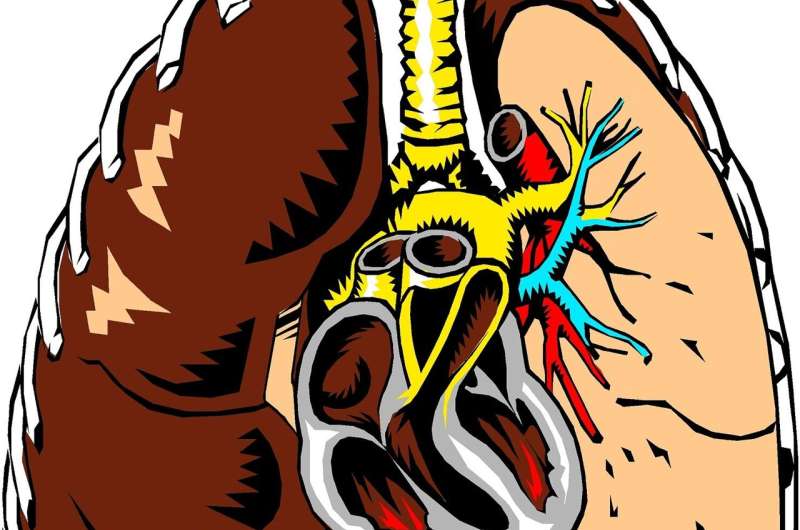
Treatment guided by noninvasive device to monitor lung congestion improves heart failure outcomes
A new monitoring device that uses sound waves to detect fluid buildup in the lungs has shown real promise for heart failure patients. The device helps doctors catch dangerous fluid accumulation before patients feel sick, allowing earlier treatment. This approach substantially reduced both hospitalizations and deaths among patients with a specific type of heart failure called HFpEF. The research was shared at the American College of Cardiology's annual meeting in New Orleans.

Deep learning reveals how auditory cortex neurons split up natural sound coding
Researchers have discovered that deep learning AI models can reveal how neurons in the brain's auditory cortex organize themselves to process natural sounds. These computer systems, originally designed to mimic brain networks, are now being used in reverse to study actual brain function. The findings show how specialized neurons work together to code different aspects of sound.

Ancient predator species discovered in South Africa challenges what we know about gorgonopsians
Scientists working in South Africa have identified a brand-new species of ancient predator called a gorgonopsian. Gorgonopsians were reptile-like creatures that ruled ecosystems before dinosaurs existed. This new fossil shows that these apex predators started growing big bodies much earlier than scientists realized. The find also reveals new details about how their unusual skull shapes developed over time.
Bohs' Brennan earns first Republic of Ireland call-up
Aoibhe Brennan, a teenage midfielder playing for Bohemians, has earned her first call-up to the Republic of Ireland senior women's football squad. The 18-year-old will report for national team duty in April for World Cup 2027 qualifying matches against Poland. This represents a significant milestone in the young player's career, progressing from youth level to the senior setup.

Report provides introductory guide on green roofs and walls
A new report from the Science Service for Biodiversity, developed by BioAgora for DG Environment, shows green roofs and walls are no longer niche features. They are proven, scalable solutions that help European cities boost biodiversity, handle climate change, save energy, and improve well-being. The Knowledge Centre for Biodiversity requested this synthesis to guide EU policy.

Lab-made jaguar: Is cloning a solution to extinction?
Scientists in Brazil are working to save jaguars from extinction using cloning technology. Researchers at the Federal University of Mato Grosso do Sul are collecting blood and tissue samples from jaguars alive today. Their goal is to create the first cloned jaguar within the next few years. As apex predators, jaguars play a crucial role in keeping ecosystems balanced and healthy.

M’Batto: ACCEL Africa renforce l’employabilité des jeunes par la promotion du travail décent
In M'Batto, Côte d'Ivoire, the ACCEL Africa project is helping young people gain skills and access decent work opportunities. Led by the International Labour Organization (ILO), the program focuses on improving job training and employment options for youth in the region. This effort supports youth in finding stable jobs with fair pay and safe conditions. The project is part of broader African development goals to create more economic opportunities for young people.

High-rise living: How weaver ants build leaf nests using living 'zippers' and 'weights'
Weaver ants in Australia's northern rainforests build remarkable nests dozens of meters above ground. They form living chains by gripping each other's waists, creating living tools that pull tree leaves together. The ants then stitch the leaves into spherical nests using silk threads produced by their larvae. Each nest can house roughly 500 ants, suspended in the forest canopy where they hunt, guard territory, and raise their young.
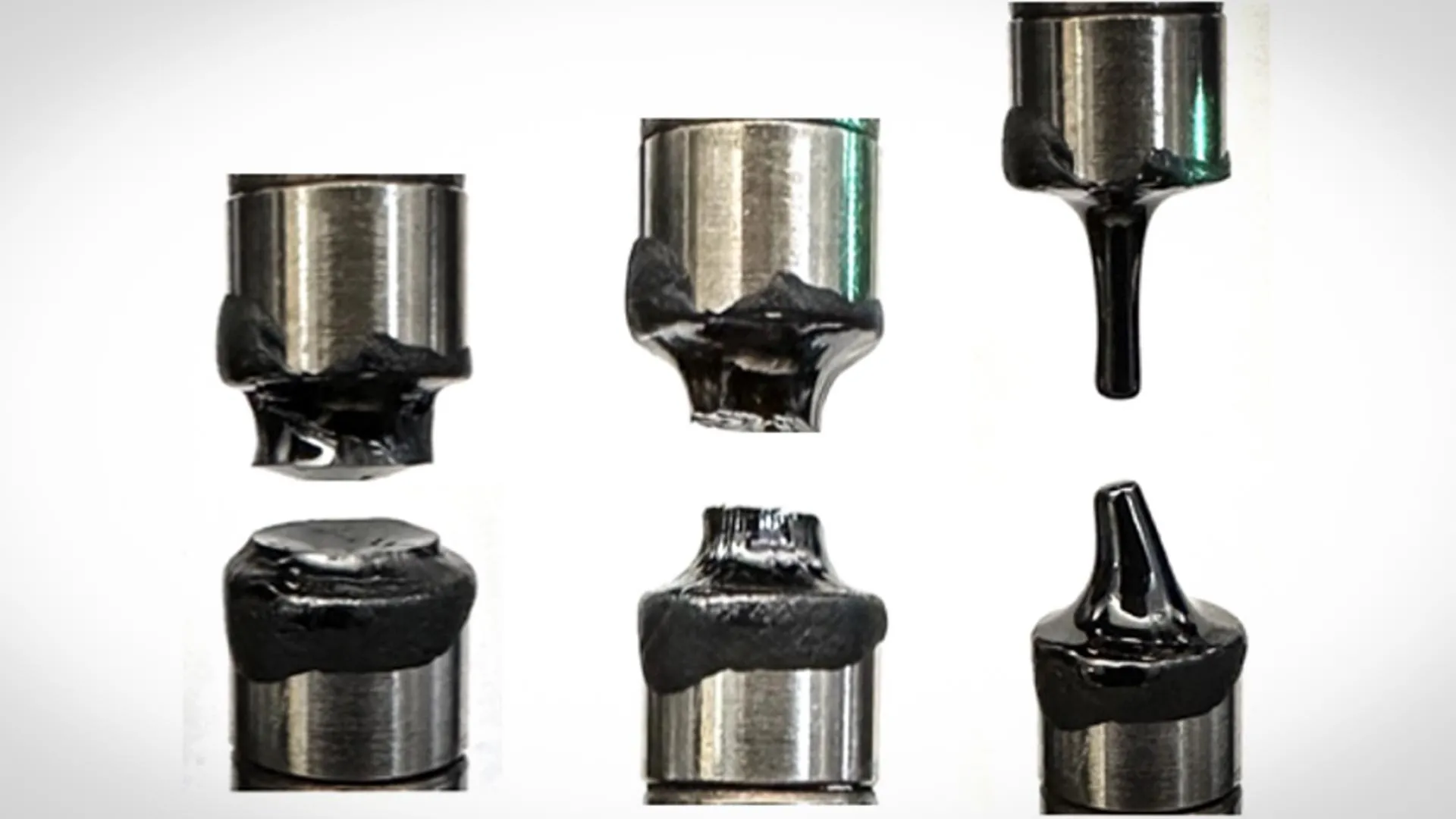
Scientists stretched a liquid and it snapped like a solid
Researchers found that when certain liquids are stretched with enough force, they don't just thin and flow — they suddenly fracture with a sharp break, much like metal under stress. This behavior appears tied to viscosity (how thick a liquid flows), not elasticity. The finding challenges long-held assumptions about liquid physics. Scientists say this could lead to new ways of designing materials that behave in unexpected ways.

Apollo's impatient old-timers are rooting for NASA's return to the moon with Artemis II launch
NASA's Artemis II mission will send astronauts around the moon for the first time in over five decades. The flight revives America's human lunar exploration program, which stalled after Apollo 17 in 1972. Former workers from the Apollo era say they are thrilled to see the country heading back. But they also feel impatient — dozens of their colleagues who built the first moon rockets have already died waiting for this day.

More women are having babies later in life. How to improve your chance of a healthy pregnancy
MedicalXpress published this health advisory piece exploring the growing trend of women having babies later in life. Dr. Jacquelyn Means, who experienced pregnancy in her late 30s, is featured as a case study. The article aims to provide helpful information and practical steps women can take to support healthy pregnancies as they age. The content focuses on empowerment through knowledge rather than reporting a specific positive development or news event.

Tracing the evolutionary history of chemical warfare between plants and insects
Scientists at National Taiwan University in Taipei have published a new study revealing how plants and insects have shaped each other's evolution over millions of years. The research, published in Nature Ecology & Evolution, explores the ongoing chemical "arms race" between plant defenses and insect counter-adaptations. The team combined knowledge from plant and insect physiology, chemical ecology, molecular function, and evolutionary analysis to build a complete picture of this ancient relationship.

'Toad-proofing' farms could help stop the march of invasive pest
Curtin University researchers have discovered that simple, low-cost changes to farm water systems can help stop invasive cane toads from spreading across Australia's semi-arid regions. The solution involves modifying cattle troughs and fencing to prevent toads from accessing the water they need to survive during hot, dry conditions. Best of all, these changes won't disrupt normal farming operations. The findings were published in the journal Global Ecology and Conservation.
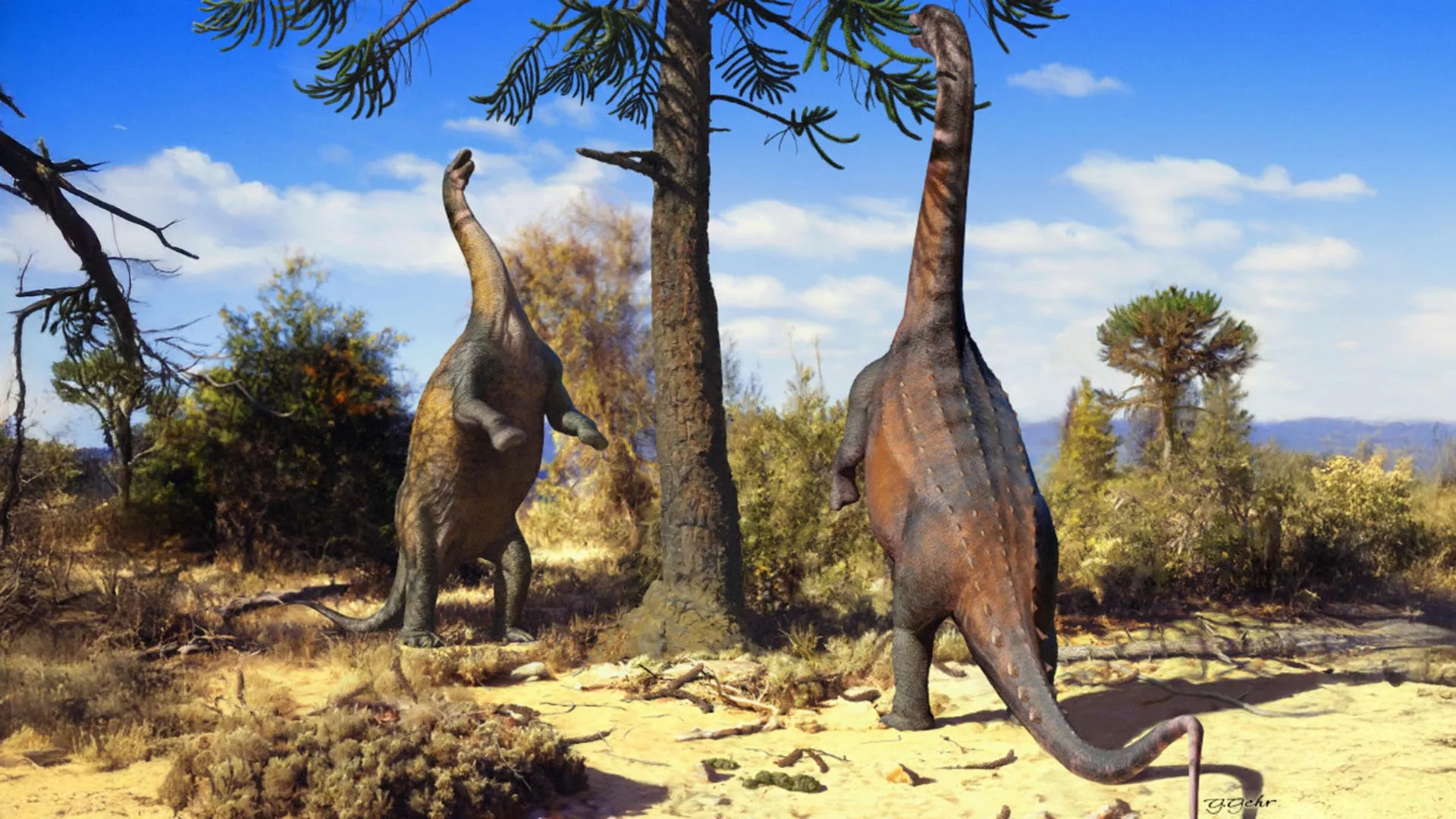
Some dinosaurs could rise up like giants — until they grew too big
Scientists used computer simulations to study how certain smaller sauropod dinosaurs could stand on their hind legs. This upright posture gave young dinosaurs access to higher food sources and a defensive edge against predators. The simulations showed their bones could handle the stress better than their larger relatives. But as these dinosaurs grew bigger, the sheer weight made standing upright increasingly difficult, turning a useful youth strategy into a more limited adult move.
De Zerbi in advanced talks to become Spurs manager
Tottenham Hotspur have entered advanced talks to appoint Roberto de Zerbi as their new manager. The Italian coach previously managed Brighton in the English Premier League and is now willing to take charge immediately. Sources say discussions are progressing well for the appointment.
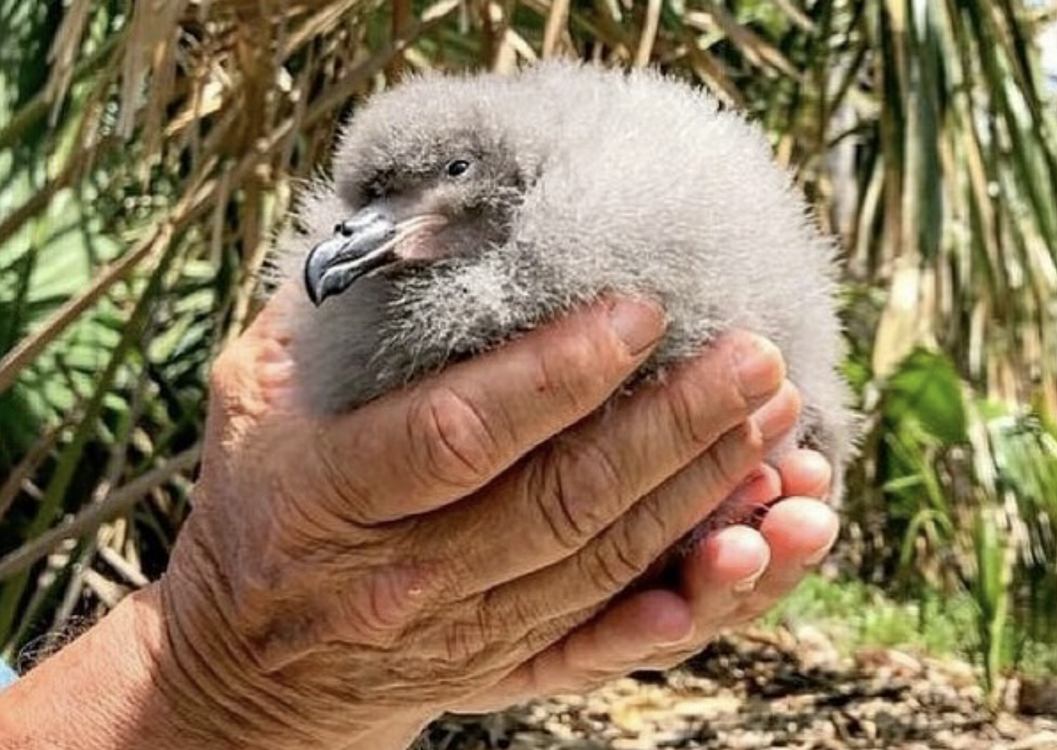
Endangered Cahow, One of the Rarest Seabirds in the World, Hatched on Nonsuch Island in Bermuda
Endangered Cahow chicks have hatched again on Nonsuch Island, Bermuda, sparking celebration among conservationists. The tiny 14-acre island in the northeast of Bermuda's island chain has been transformed into a living museum dedicated to saving this rare seabird. Once on the brink of extinction, the Cahow is now making a slow but steady comeback thanks to decades of careful conservation work on the island. The latest hatching represents another milestone in the ongoing effort to protect Bermuda's national bird.