Latest News
Positive stories from around the world · Good news by country
Showing 36889–36912 of 37342 articles

Art Is Becoming a Medical Treatment
A dance class in Boulder, Colorado is bringing joy to people living with Parkinson's disease. Instructor Jamie Schuler leads students through choreography three times a week, with participants moving however they can — some stay seated, others use just their upper or lower body. The class creates space for both movement and impromptu singalongs, like when one group recently burst into Stevie Wonder's 'I Just Called to Say I Love You.' The gathering proves that creative arts can meaningfully improve quality of life and emotional wellbeing.
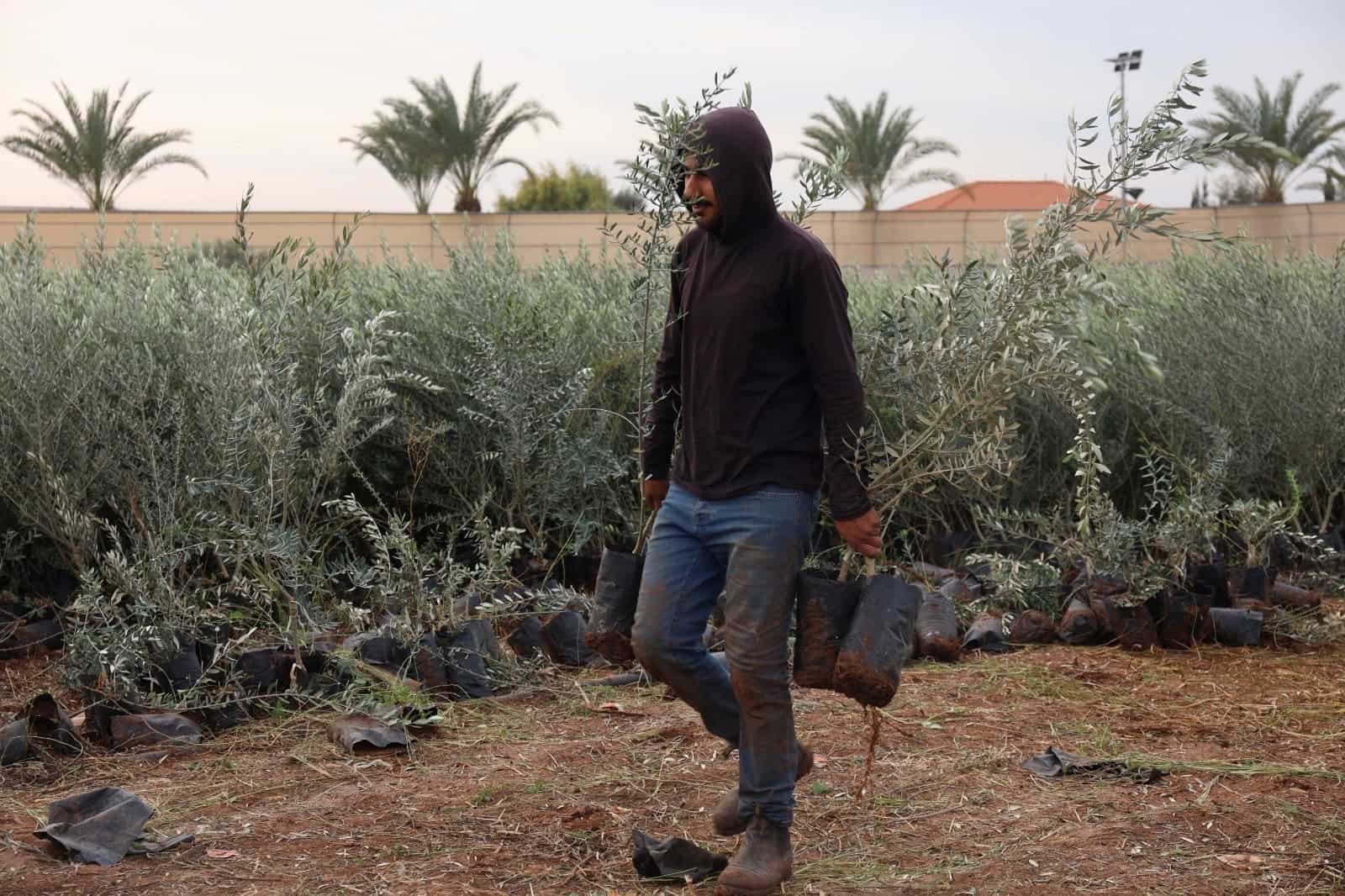
New olive groves plant hope across the West Bank
A new initiative is planting olive groves across the West Bank, bringing hope to local communities. Olive trees are being restored both for their environmental benefits and their economic value. The project helps rebuild landscapes that have been degraded while providing farmers with a sustainable source of income. Olive cultivation has deep roots in Palestinian culture and agriculture.
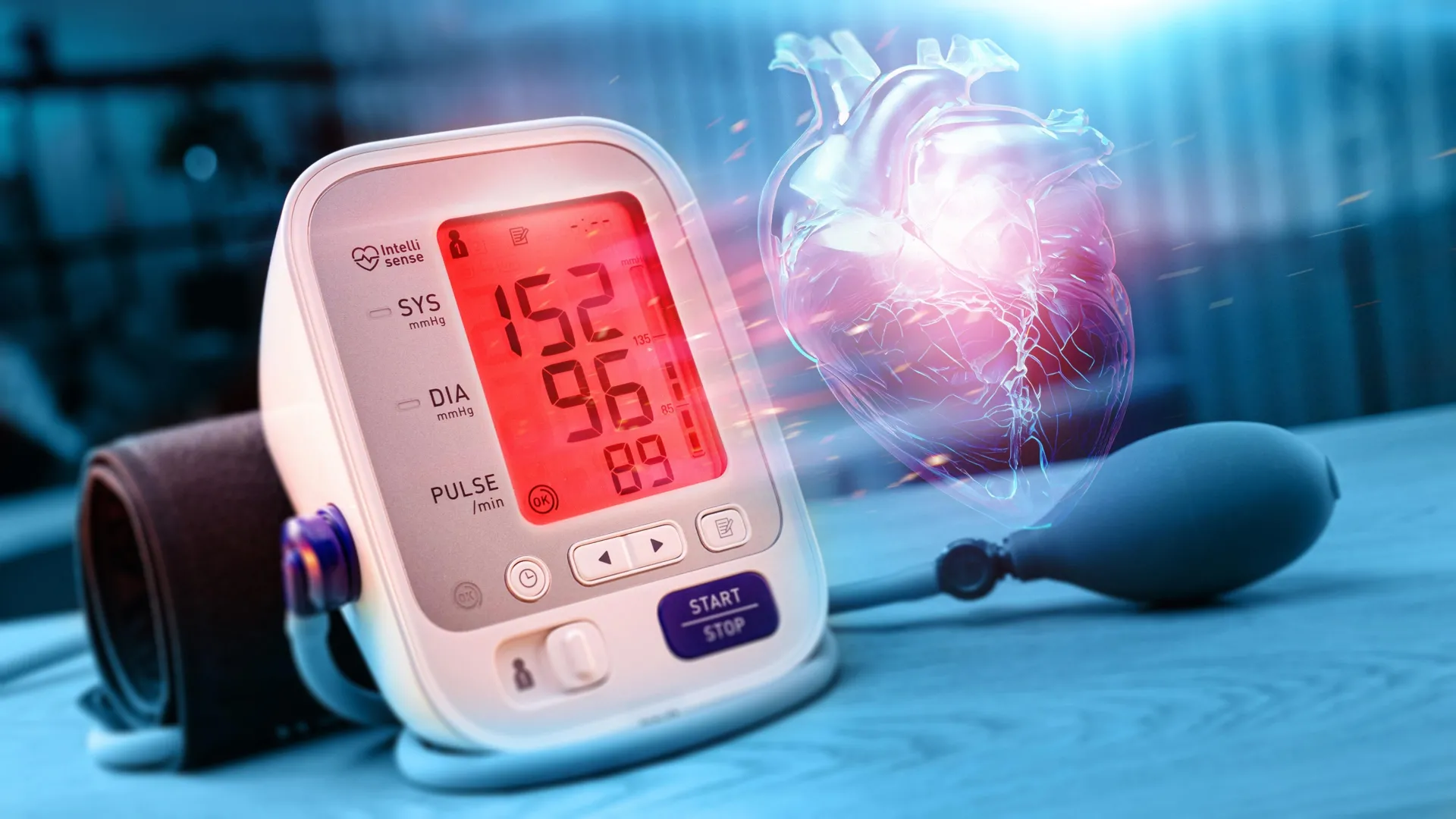
This overlooked hormone could be why your blood pressure won’t drop
A large U.S. study reveals that more than a quarter of people with hard-to-treat high blood pressure may have an overlooked hormone problem. Elevated cortisol, often linked to stress, was found in 27% of these patients — far higher than expected. This hidden condition could explain why standard medications fail. The discovery could lead to new testing and treatments that finally help bring blood pressure under control.
Sivo hat-trick ends Warrington's 100% record
Leeds Rhinos staged a comeback victory against Warrington Wolves in Super League rugby. Star winger Maika Sivo scored his latest hat-trick of tries, helping end Warrington's 100 percent winning record this season. The result marks a significant upset in the league standings.
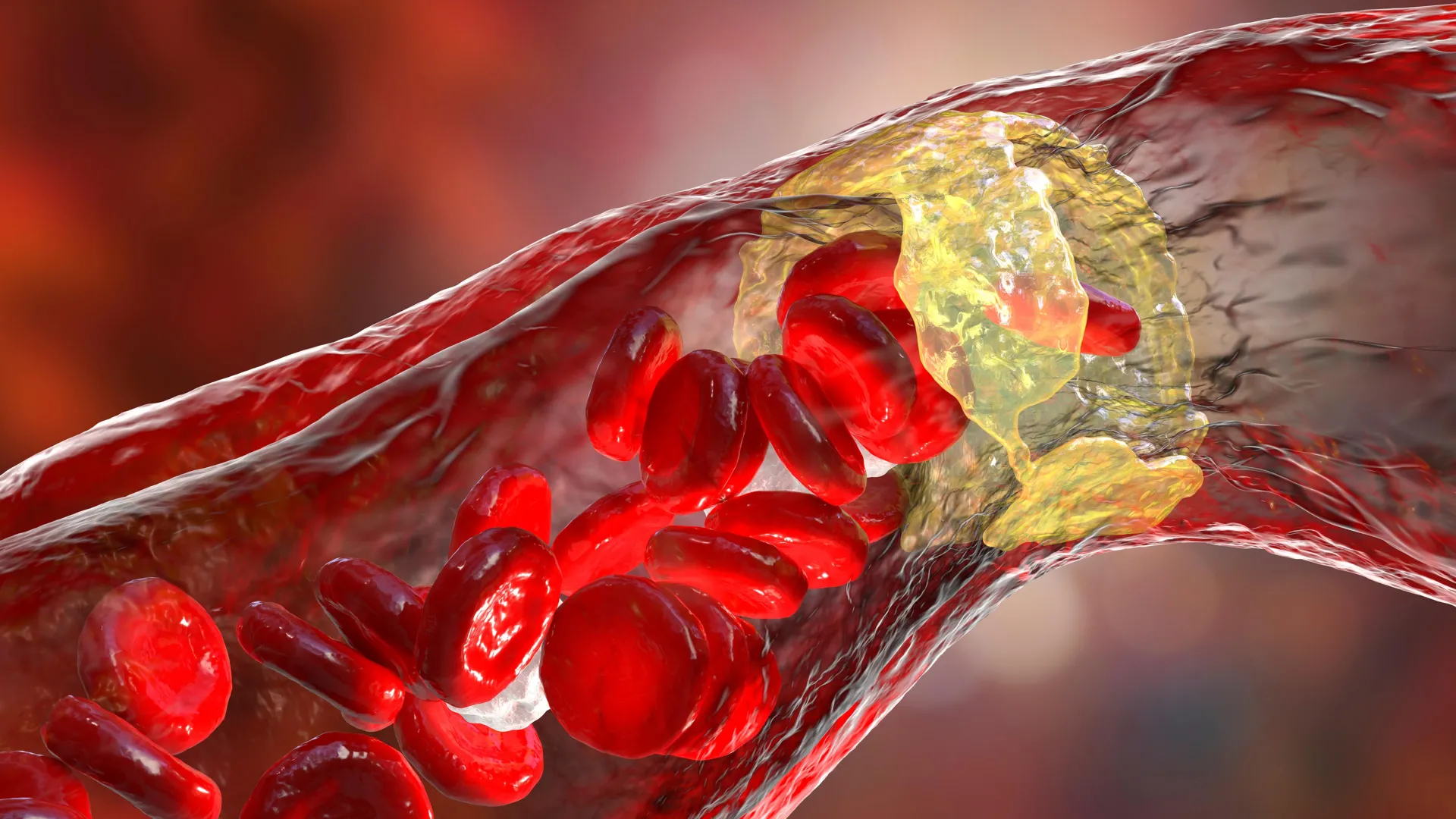
Powerful cholesterol drug cuts heart attack risk by 31%
Researchers discovered that evolocumab can significantly cut the risk of first-time heart attacks in high-risk diabetes patients. The study showed a 31% reduction in heart attack risk and also lowered stroke risk. The drug worked even before artery-clogging plaque was detected, offering early prevention for those most at risk.

Good News in History, March 30
Happy 81st birthday to Eric Clapton, the British blues-rock musician and songwriter. Rolling Stone magazine ranked him the second greatest guitar player of all time. He was a founding member of iconic bands like the Yardbirds, Cream, and Derek and the Dominos. His famous songs include Layla, Crossroads, and Let It Rain. He also survived heroin addiction and rebuilt his career.
Young Liverpool winger in line for Northern Ireland chance
A promising young player from Liverpool is in line for his first chance to play for Northern Ireland. This opportunity arises following Northern Ireland's World Cup qualification campaign ending in Italy. The player could make his debut when Northern Ireland faces Wales in an upcoming match.
I designed Everton's new stadium - now I have an 1878 tattoo
Architect Dan Meis has shared insights into designing Everton's new Hill Dickinson Stadium. The project faced multiple obstacles including relegation battles, new ownership, a global pandemic, and international conflict. Meis showed his commitment by getting a tattoo with the number 1878, the year Everton was founded. The stadium represents years of work and personal sacrifice for the architect.

Traditional protection proves more successful for clams in American Samoa
Giant clams in American Samoa are being saved by traditional village protections called fa‘asao, which are fishery closures based on fa‘a Sāmoa (the Samoan way of life). A new study published in PeerJ found that the highest clam densities and most species are found in areas under traditional village enforcement. Remote sites and village-controlled waters outperformed other areas. For coastal Indigenous communities in American Samoa, giant clams are deeply rooted in local food systems and cultural traditions.
Sinner raises Alcaraz stakes with historic 'Sunshine Double'
Jannik Sinner has achieved something rare in tennis by winning both the Indian Wells Open and the Miami Open in the same year. This double, nicknamed the 'Sunshine Double' because both tournaments happen in sunny Florida, is one of the toughest feats in tennis. Sinner's victory shows how strong his game has become. World number one Carlos Alcaraz will now face extra pressure to keep his top ranking.

Just a few minutes of effort could lower your risk of 8 major diseases
Scientists studied nearly 100,000 people and found that brief moments of getting out of breath can dramatically lower disease risk. Heart disease, dementia, and diabetes were among the eight major conditions linked to reduced risk through intense movement. The key discovery is that how hard you move matters more than how long you move. Simple daily activities like taking stairs quickly can provide significant health benefits.
Shades of Gascoigne - the rise of England's Anderson
Elliot Anderson went from helping Bristol Rovers achieve League Two promotion to becoming a potential England World Cup player in just four years. BBC Sport has charted his rapid rise through English football. The piece follows his career trajectory and growing reputation in the sport. This kind of career progression from lower league to national team is relatively rare in professional football.
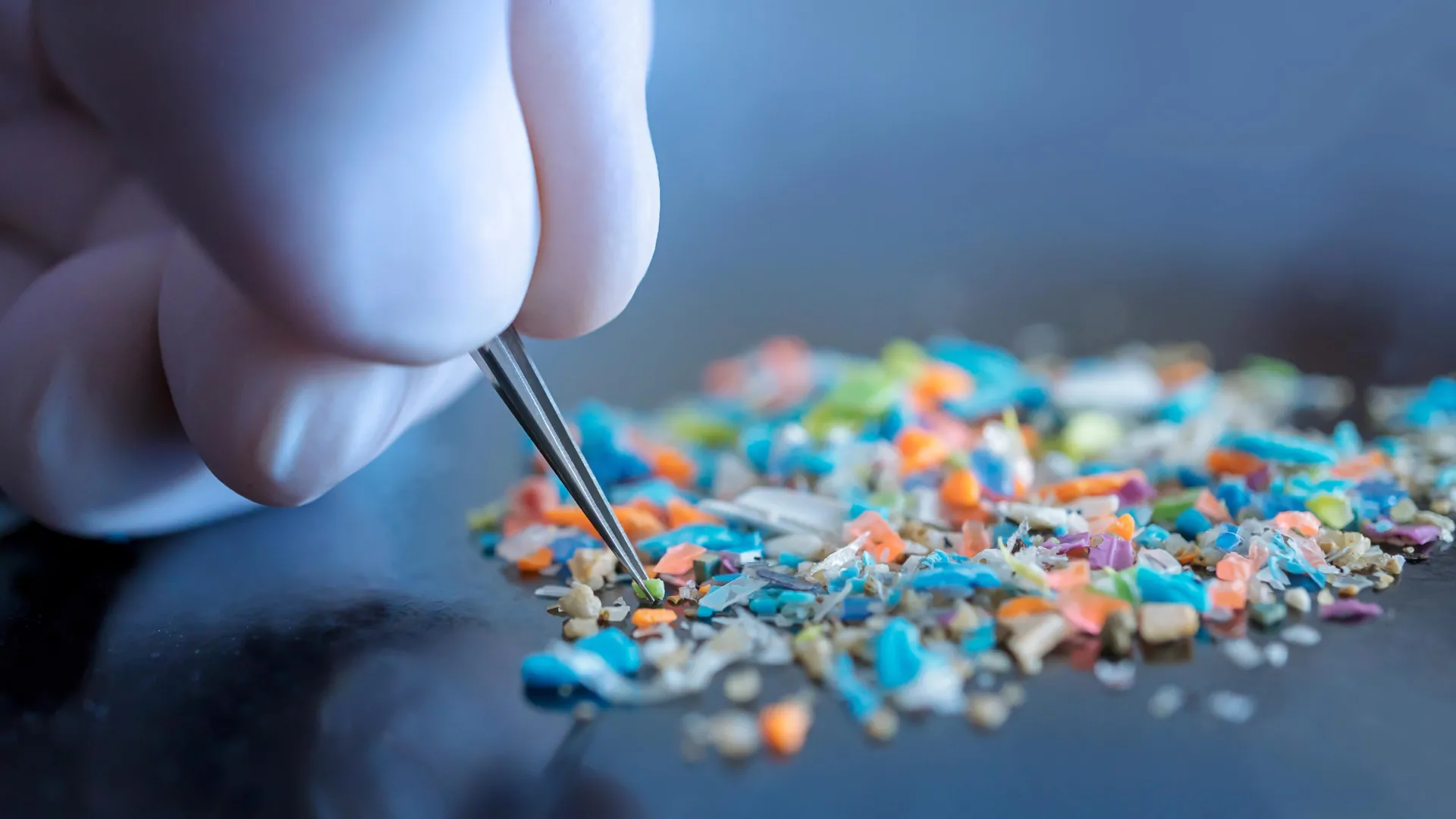
Scientists shocked to find lab gloves may be skewing microplastics data
Scientists at the University of Michigan discovered that standard lab gloves may be skewing microplastic pollution data. Both nitrile and latex gloves release microscopic particles called stearates that chemically resemble microplastics. When these particles contaminate lab samples, they can create 'wildly exaggerated' results. This finding means past microplastics estimates may need revision, but future research will be more accurate.

Extinction—or just unseen? What Centinela reveals about biodiversity data gaps
In 1991, botanists Calaway Dodson and Alwyn Gentry made a striking discovery in western Ecuador. Surveying a rapidly deforested ridge called Centinela, they proposed that dozens of plant species known only from that site had likely vanished with the forest. Their idea became known as the "Centinelan extinction hypothesis" — the concept that habitat clearing can trigger immediate extinction of narrowly distributed species. This hypothesis has since shaped how scientists understand and track biodiversity loss worldwide.
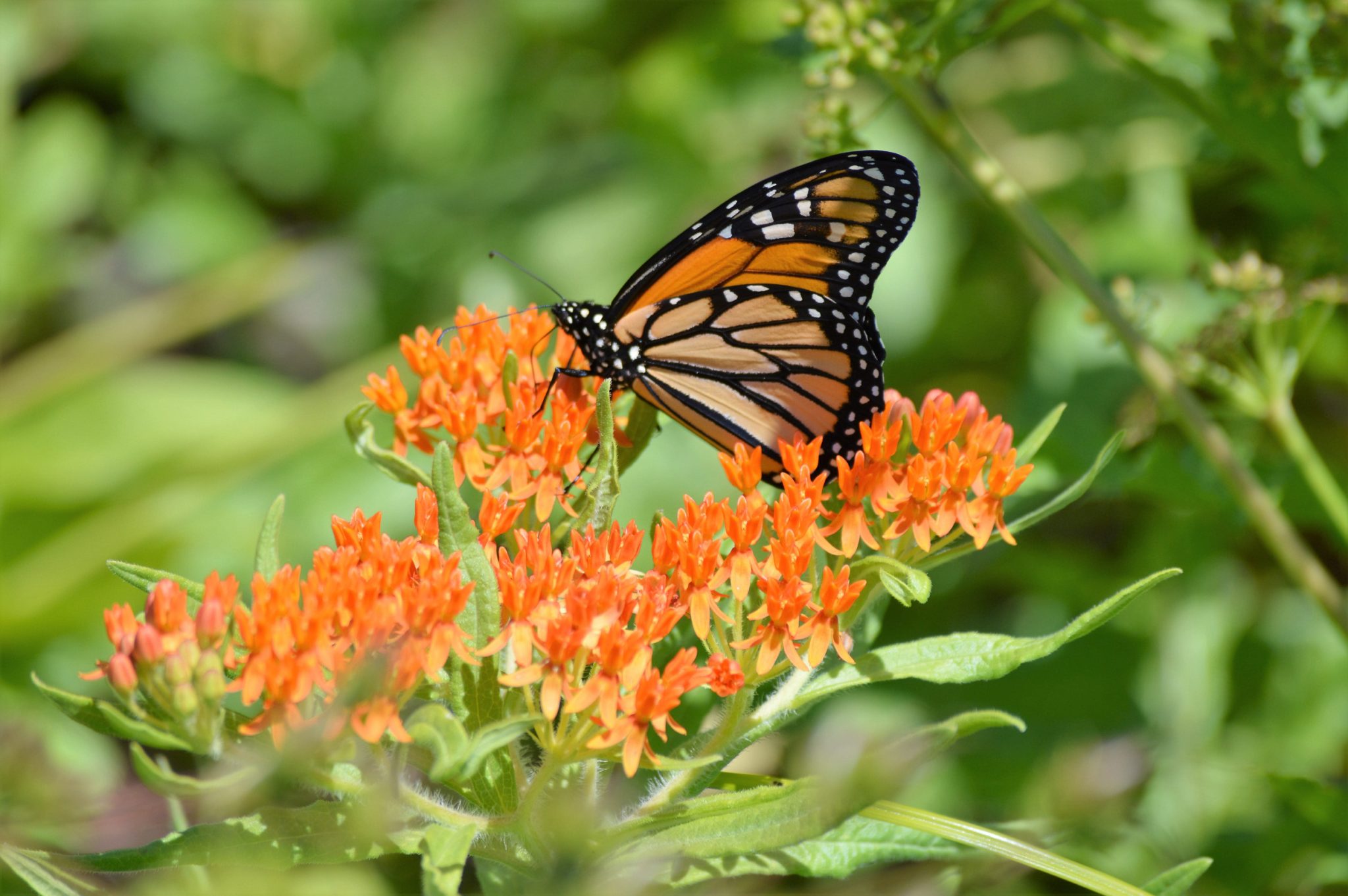
How Mexico’s conservation work brought monarchs back from the brink
Mexico's forests are seeing a remarkable comeback for monarch butterflies. WWF Mexico reports that the area of forest covered by the orange-winged insects expanded to 7.24 acres this winter, a 64% jump from 4.42 acres the previous year. Every fall, tens of millions of monarchs make an incredible journey of nearly 3,000 miles from Canada through the United States to reach these western Mexico forests. There, they cover entire trees like a living orange blanket — and this year, there are noticeably more of them than before.
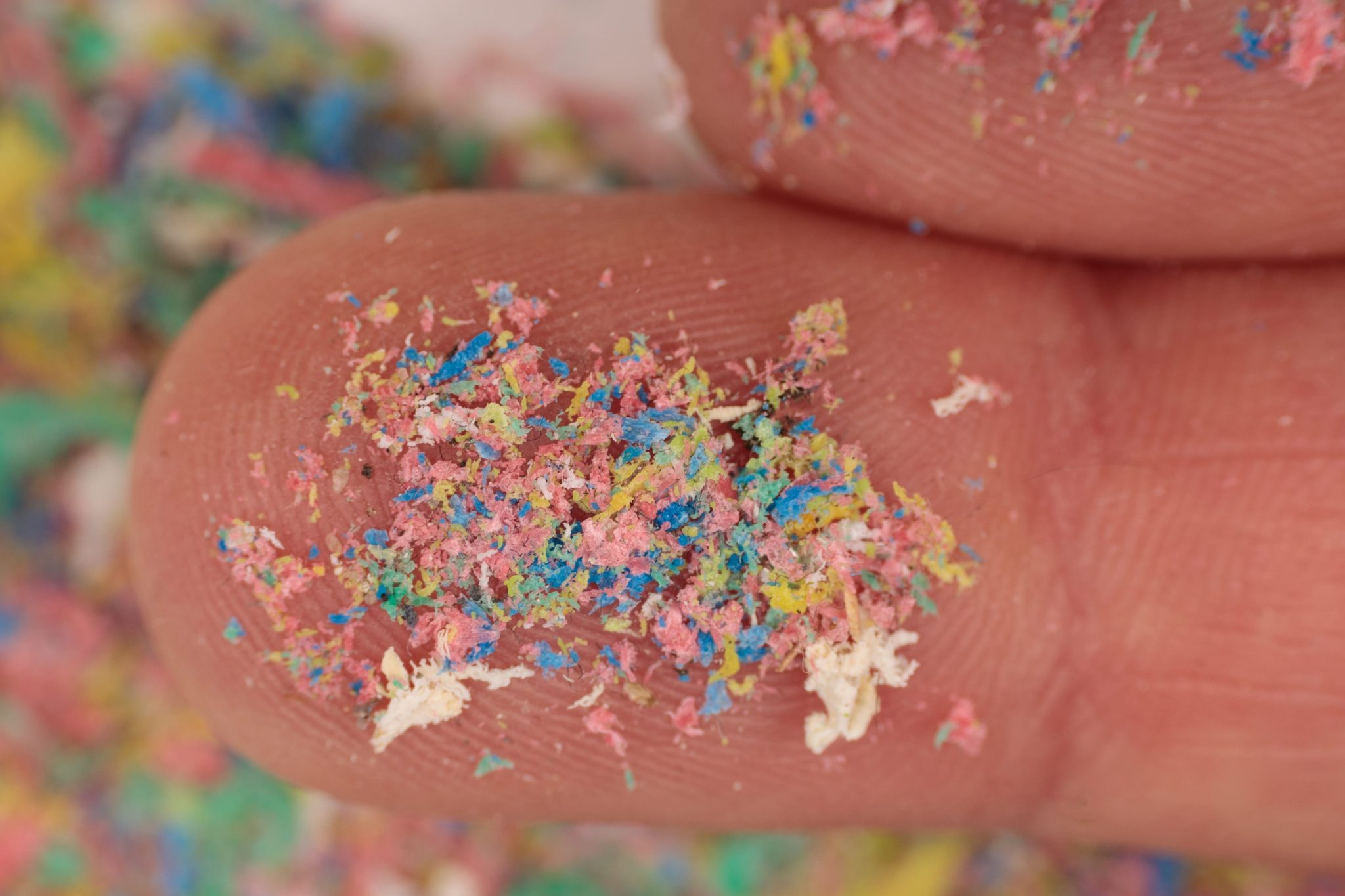
The high school student whose filter uses magnetic oil to trap microplastics
Mia Heller, a high school student in Warrington, Virginia, developed an innovative water filter that uses magnetic oil to trap microplastics. Tests had revealed her community's water was contaminated with PFAS and microplastics, but government funds to address the problem weren't coming. Her parents bought a home filtration system, which inspired her to create a solution for her neighborhood. Her invention shows how young people can step up when systems fail.

Perceived partner effort may increase post-error slowing in a shared attention task
Researchers examined how people adjust their actions after making mistakes during cooperative tasks. The study focused on something called 'post-error slowing' — when people naturally slow down after realizing they've made a mistake. Scientists found that this adjustment might be stronger when a person believes their partner is putting in real effort. The findings shed light on how human cooperation works and why people are so good at working together flexibly.

Managed wetlands a culinary hot spot for SF bay fish, but they need delivery options
Scientists at UC Davis discovered that managed wetlands in Suisun Marsh are teeming with fish food. The estuary had seen declining food options for fish in recent decades. Now, nutrients flowing from these wetlands give young fish a better chance to survive. The study highlights how carefully managed wetlands can restore ecosystem health.

Building better systems for disability inclusion in education and research
Two researchers from the City University of New York School of Public Health have published important papers as part of the STEPS2 Health Education study. Their research focuses on two key areas: trauma-informed sex education and improving data integrity in studies involving people with disabilities. Together, the researchers argue that people with disabilities deserve safer, more responsive systems both in educational settings and in public health research.

How graphene oxide kills bacteria while sparing human cells
Researchers at KAIST university in South Korea have uncovered how graphene oxide selectively eliminates bacteria without harming human cells. This discovery, published in Advanced Functional Materials, reveals the mechanism behind this selective targeting. The material shows promise for next-generation antibacterial products that could replace antibiotics. Potential uses include clothing, face masks, and toothbrushes — everyday items where hygiene matters most.

Exercise harder—not just longer—to reduce risk of disease and death, says study
Scientists studied 96,000 people and found that doing a few minutes of hard exercise every day cuts the risk of getting eight major diseases. These include heart disease, arthritis, and dementia. The study compared people who did only light activity with those who added short bursts of tough exercise. Even small amounts of vigorous activity made a big difference to health.
Emotional Woodland seals first win since brain surgery
Gary Woodland has won the Houston Open, his first title in seven years. The American golfer, 40, had undergone brain surgery in September 2023 to remove a benign tumour. He also revealed he had been battling PTSD, which he connected to a 2019 US Open victory and life changes. Woodland said the win was the 'hardest' of his career, describing the journey back as 'incredible.'

Researchers describe protein structure microbes used to control light conversion
Researchers have mapped a protein structure that some microbes use to convert light into energy. These microbes live in wildfire smoke and have surprising uses. Scientists already use them to make biofuels for rockets, ships, and jets. They can also help rice fields release less methane, a powerful greenhouse gas. Another trick: the microbes can pull valuable metals like lithium and copper from seaweed, offering a cleaner way to mine essential materials.

What humor means to older people—and why some find it hard to keep on laughing
For many older people, humor becomes a lifeline during aging. It helps bridge conversations about tough topics like loneliness, losing a loved one, or living with chronic pain. Researchers are studying how laughter creates space to discuss feelings that might otherwise stay hidden. The goal is understanding how humor supports mental wellbeing in later life.