Latest News
Positive stories from around the world · Good news by country
Showing 36961–36984 of 37342 articles
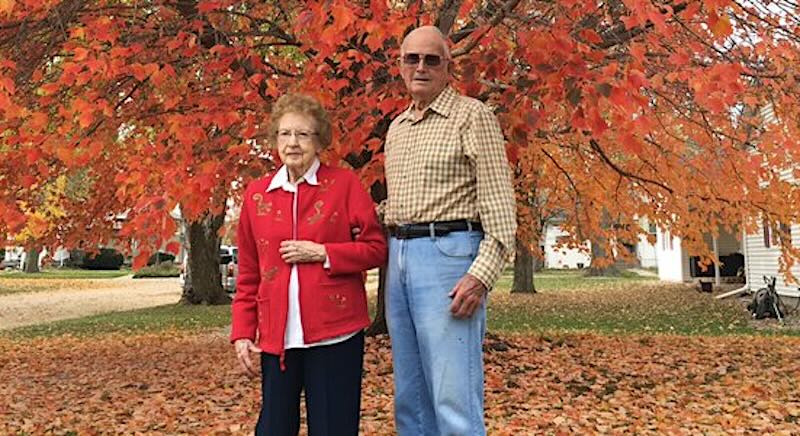
Everyone’s Liver is Only 3 Years-old, Thus WWII Vet Becomes Oldest Organ Donor in US History at 100
Dale Steele, a 100-year-old World War II veteran from the United States, has become the oldest organ donor in US history. Two hours after his death, his family learned his liver was healthy enough to donate. Scientists explain that the liver constantly renews itself, replacing old cells with new ones about every three years — meaning every person's liver is effectively only around three years old, regardless of their actual age.
Malinin wins third straight world figure skating title
American figure skater Ilia Malinin has secured his third straight world title. This achievement comes after he struggled at the Winter Olympics, where he failed to medal. The 20-year-old has now bounced back strongly, reclaiming his position as one of the world's top skaters. The victory demonstrates his resilience and determination.
Man City edge closer to WSL title by beating Man Utd
Manchester City defeated Manchester United in a Women's Super League match, with Dutch striker Vivianne Miedema scoring twice. The comfortable derby victory strengthens City's position at the top of the league table. City now sit closer to securing the WSL title with this win over their rivals. The result extends City's lead while United miss the chance to challenge for the summit.

North America’s Largest Wildlife Overpass Opens for Animals to Safely Cross in Colorado
North America's largest wildlife overpass has opened near Larkspur, Colorado. The structure, completed by the Colorado Department of Transportation, lets moose, elk, black bears, and mountain lions cross six lanes of Interstate 25 traffic safely. Animals had previously faced deadly dangers crossing the busy highway. The overpass surface is covered with dirt to feel natural to wildlife.

This Week’s Awesome Tech Stories From Around the Web (Through March 28)
AI researcher François Chollet has long argued that popular AI tests measure intelligence incorrectly. Current benchmarks mainly reward AI systems for memorizing vast amounts of data rather than adapting to novel challenges. The new ARC-AGI-3 test may offer a clearer picture of how close AI is to human-level thinking. It specifically measures an AI's ability to navigate unfamiliar situations and learn entirely new skills on the fly.

Solar cells just did the “impossible” with this 130% breakthrough
Scientists have achieved a solar breakthrough that defies what many thought was an absolute limit. They built a solar cell using a special "spin-flip" metal complex that can produce more energy than the sunlight absorbed — reaching about 130% efficiency. The technique, called singlet fission, creates multiple energy carriers from a single photon of sunlight. This could eventually lead to solar panels that generate far more power than today's technology.
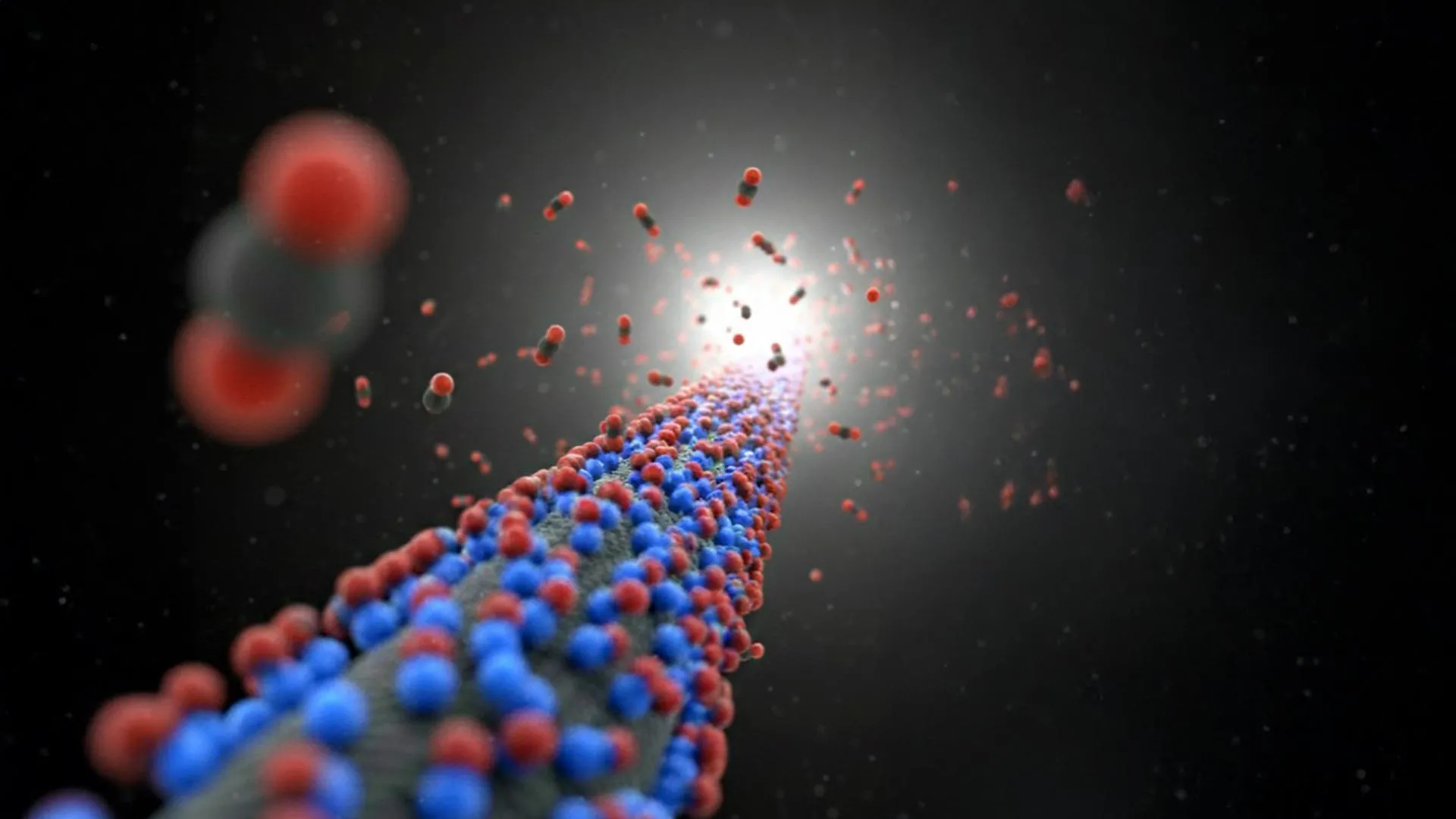
This new carbon material could make carbon capture far more affordable
Researchers have designed a new carbon material that could make capturing carbon dioxide far more affordable. The key is carefully controlling how nitrogen atoms are arranged inside the material. Some structures proved much better at grabbing CO2 and releasing it using less heat. One version works below 60°C — cool enough to run on waste heat from factories or power plants instead of burning extra fuel.
Mary Rand - the trailblazing Olympic champion
Mary Rand made Olympic history at the 1964 Tokyo Games when she became the first British woman to win athletics gold. The charismatic long jumper captured hearts with her flair and became known as 'Marilyn Monroe on spikes'. Her victory was groundbreaking for women's sport at a time when female athletes faced far fewer opportunities. Rand's achievement helped pave the way for future generations of British women in athletics.

After 20 years, scientists finally explain the Crab Pulsar’s strange “zebra stripes”
Scientists have finally cracked a 20-year puzzle about the Crab Pulsar's mysterious "zebra stripe" patterns in radio waves. For decades, bright bands separated by darkness puzzled astronomers. Now researchers believe the answer lies in a cosmic tug-of-war between gravity and plasma. The pulsar's plasma spreads light apart while its intense gravity bends it back together, creating those striking stripes. This discovery helps explain how matter behaves in extreme conditions around dead stars.
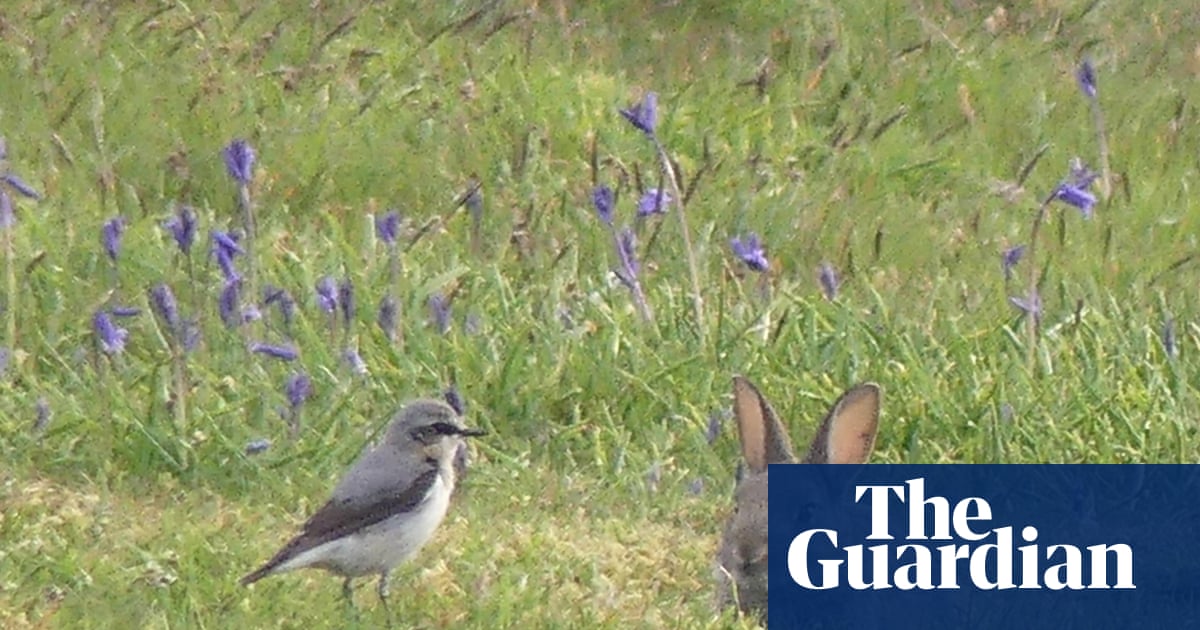
Young country diary: A weary wheatear shows off his best feature | Henry
A personal nature diary entry describes a wheatear observed on Dartmoor, Devon. The small songbird has just returned from spending winter in sub-Saharan Africa and is busy showing off its distinctive white rump, a feature that gives the bird its name. The piece, written as observational prose rather than news reporting, appreciates the bird's arrival and plumage without documenting any conservation action or measurable wildlife win.
April Fools Horoscope – ‘Free Will Astrology’ by Rob Brezsny
Good News Network shared an April Fools edition of Rob Brezsny's popular 'Free Will Astrology' column. Brezsny is a syndicated astrologer whose weekly horoscopes reach over 100 publications. The article also promotes his new book, 'Astrology Is Real: Revelations from My Life as an Oracle.' This is entertainment content rather than substantive news.

Scientists discover why your appetite suddenly disappears when you’re sick
Scientists have uncovered a key mechanism in how the body controls hunger during illness. Specialized cells lining the gut can detect parasites and send signals to the brain that gradually suppress appetite. This process builds up over time, which explains why someone might feel okay at first but then suddenly lose interest in food as an infection grows stronger. The discovery could help scientists better understand the connection between the digestive system and the brain.

Scientists discover a hidden system that turns brown fat into a calorie burner
Scientists have found a key protein called SLIT3 that helps brown fat burn calories. This protein splits into two pieces, each guiding the growth of blood vessels and nerves inside brown fat. These structures let the tissue pull in nutrients and quickly turn them into heat rather than storing them as fat. The discovery could lead to new ways to treat obesity and metabolic diseases.

‘The start of the healing process’: the vital work to restore Britain’s peatlands
A restoration project on Dartmoor is reshaping damaged peatland to bring it back to health. Peatlands are natural sponges that hold huge amounts of carbon, but Britain's bogs have been badly damaged by centuries of drainage and digging for fuel. Workers are reprofiling the land to rebuild the bog's ability to hold water. Once restored, these wet lands can lock away carbon for thousands of years, making them powerful allies against climate change.

Good News in History, March 28
Henri Fabre made history on March 28, 1910, when his seaplane—the Fabre Hydravion—became the first aircraft ever to take off from water under its own power. The craft was powered by a Gnome Omega rotary engine and used a two-bladed Chauvière propeller. Fabre's achievement opened the door to modern seaplanes and amphibious aircraft that combine aviation with maritime capabilities.
When football turned to penalties to end 'cruel' system
Before penalty shootouts, tied football matches were often decided by a simple coin toss — a system players called 'cruel'. In 1970, the penalty shootout was introduced at the European Championship as a fairer alternative. Players felt the pressure, knowing they could become 'the first to miss' in history. The new system gave teams an equal chance rather than leaving everything to luck.
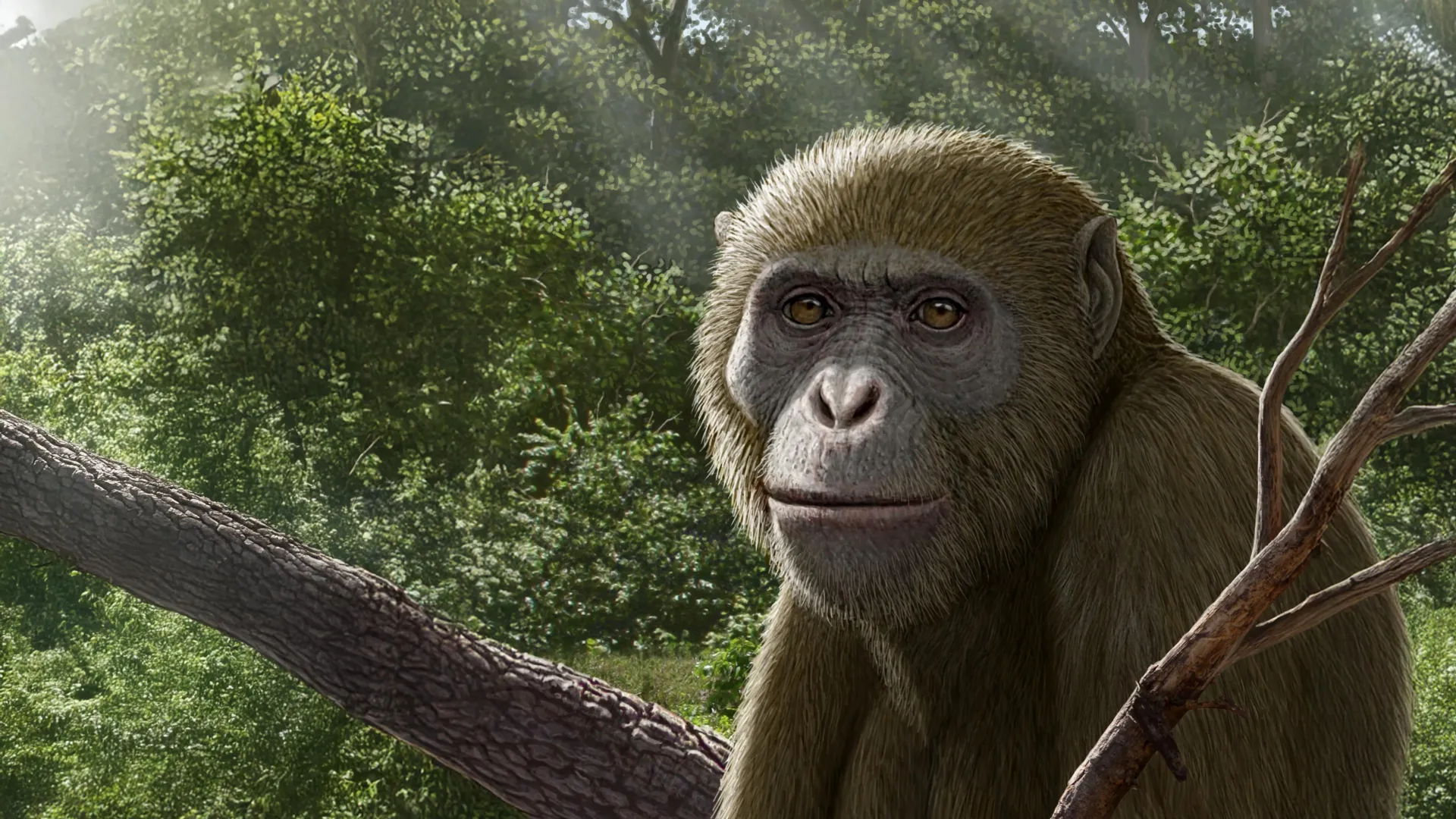
Scientists say we’ve been looking in the wrong place for human origins
A fossil ape called Masripithecus has been found in northern Egypt, and it lived about 17 to 18 million years ago. Researchers say this species may sit very close to the ancestor of all modern apes. The discovery shifts attention away from East Africa — the traditional focus for human origins — toward northern Africa and nearby regions. This could reshape how we understand where apes and humans first evolved.

Zambia seizes half-ton of ivory in major illegal wildlife crime operation
Zambia wildlife authorities arrested 10 people and seized 550 kg of ivory during raids across multiple locations on March 9. The operation was coordinated using intelligence from the U.K.-based Environmental Investigation Agency. Police carried out simultaneous raids on several properties to execute the bust. The Department of National Parks and Wildlife said the case shows how international cooperation helps fight illegal wildlife trade.
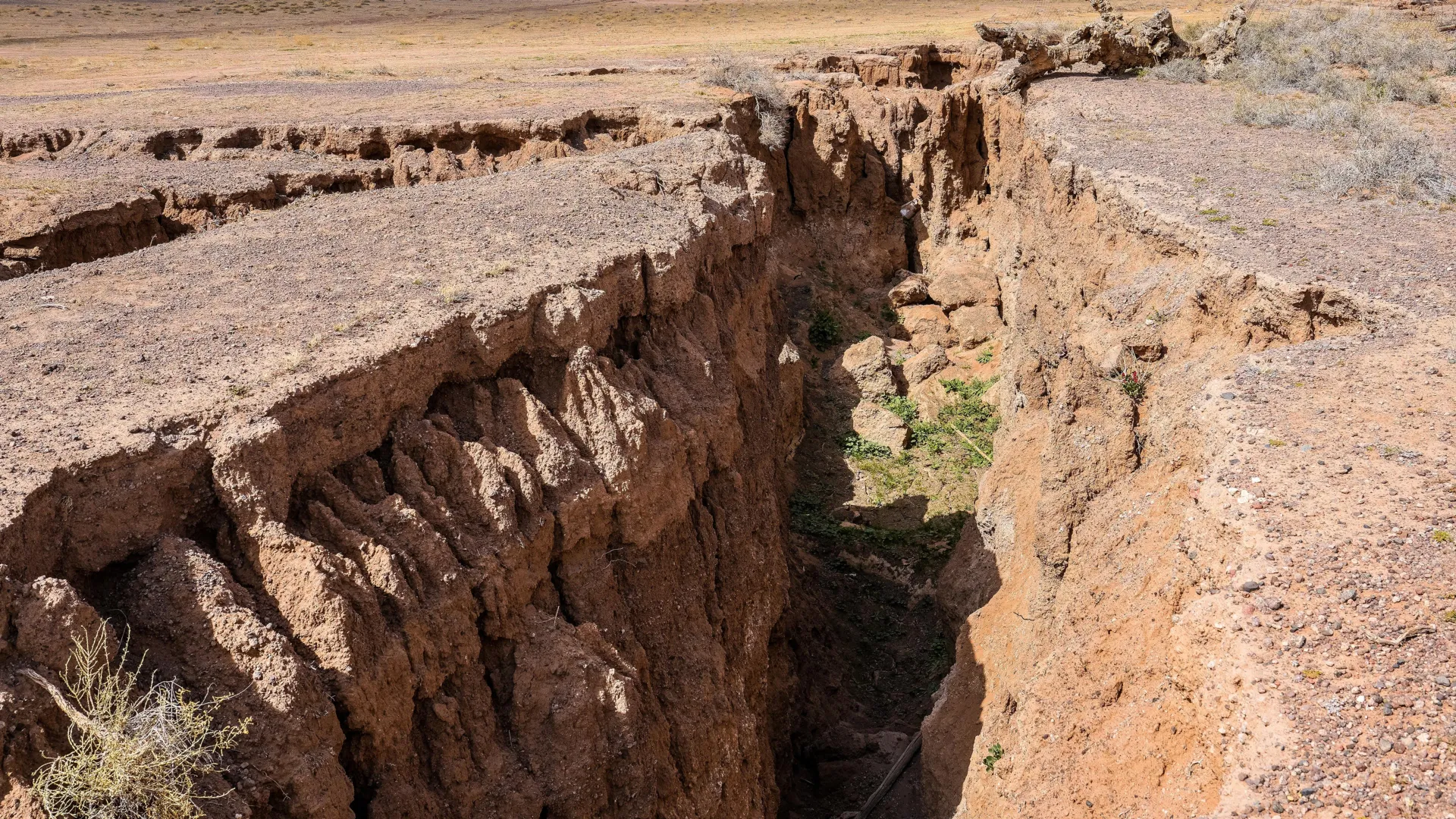
Watch the Earth split in real time: Stunning footage captures a 2.5-meter fault slip in seconds
A 7.7 magnitude earthquake struck Myanmar in March 2025, and for the first time ever, a nearby CCTV camera captured the fault rupture as it happened. Scientists measured the ground shifting an astonishing 2.5 meters in just 1.3 seconds. This rare footage confirmed that the rupture moved in a rapid, pulse-like pattern along a slightly curved path. Researchers say this data could help them better understand how earthquakes work and potentially improve predictions of future seismic events.
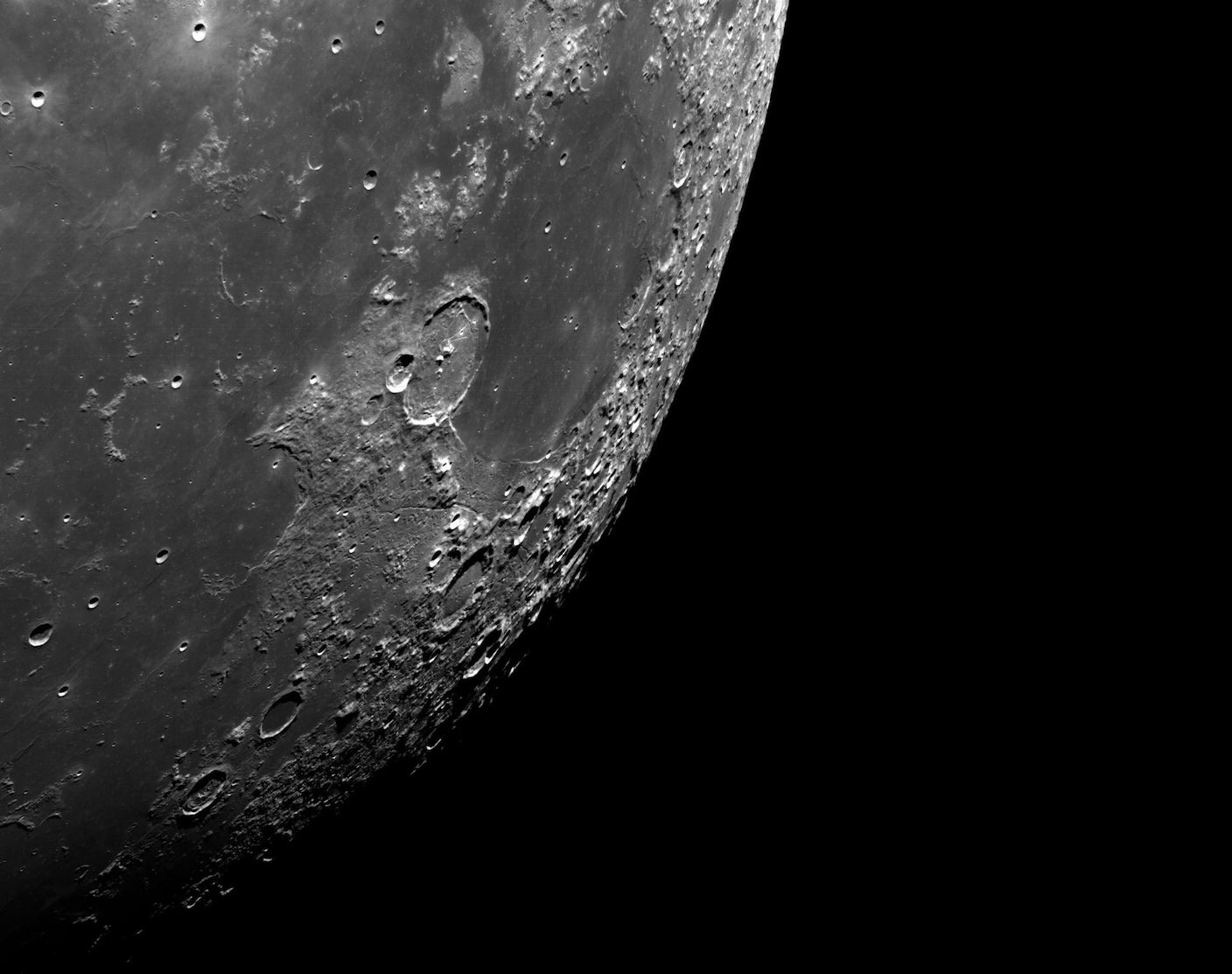
NASA Unveils Its $20 Billion Moon Base Plan—and a Nuclear Spacecraft for Mars
NASA has unveiled a $20 billion plan to establish a permanent lunar base and launch a Mars mission featuring the first interplanetary spacecraft powered by nuclear propulsion. The ambitious three-phase plan calls for up to 30 robotic missions, including a fleet of rocket-powered moon hoppers. The prospect of a sustained human presence beyond Earth is rapidly shifting from science fiction to near-term reality, marking a major milestone in space exploration.
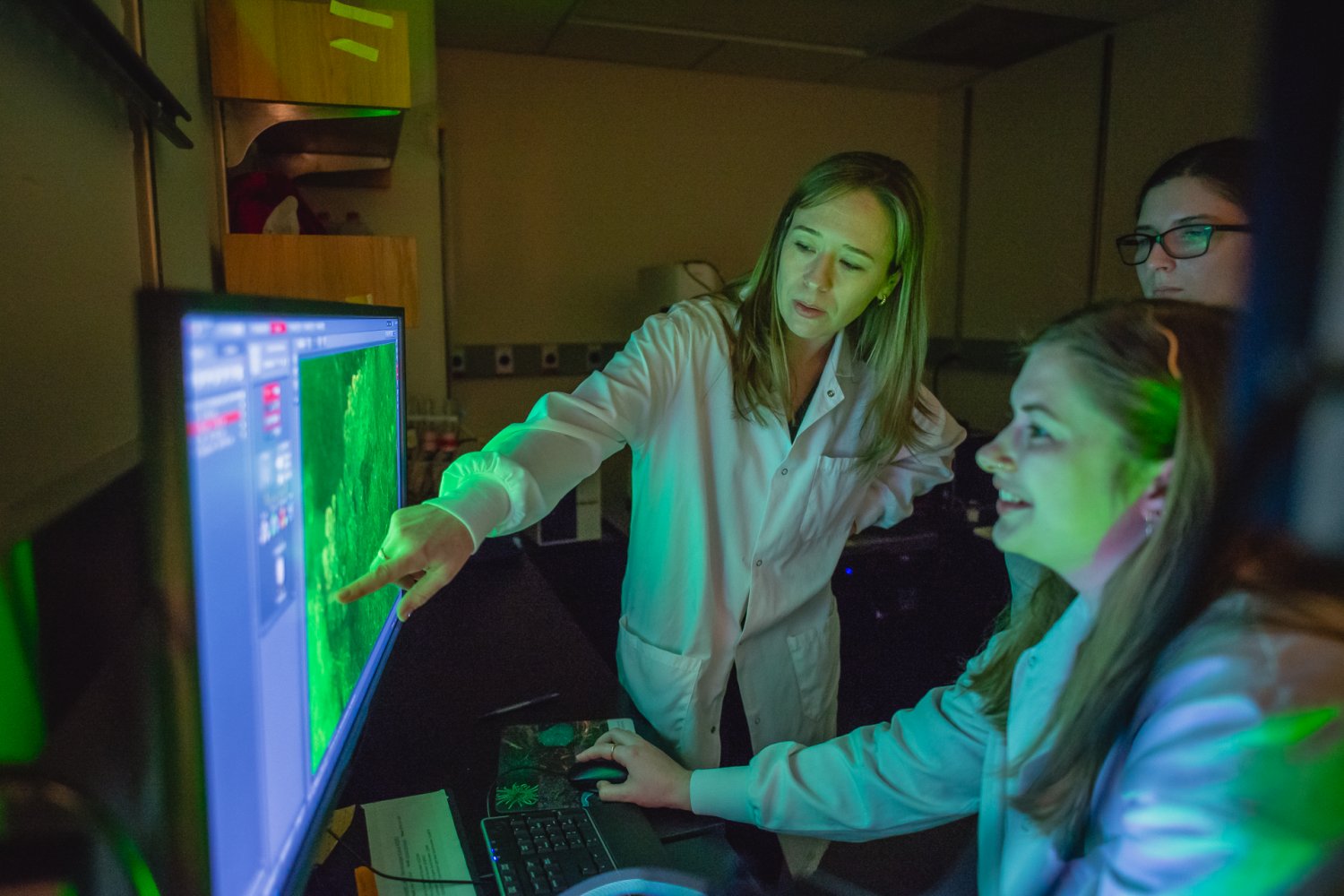
Leading with rigor, kindness, and care
Professor Sara Prescott at MIT has been named to the 2025-27 Committed to Caring cohort, a program that recognizes educators who support student well-being. Her mentorship style combines scientific rigor with kindness and a deep commitment to student welfare. Prescott believes transformative mentorship means helping students grow in confidence, belonging, and resilience. This profile celebrates her approach as a model for the academic community.
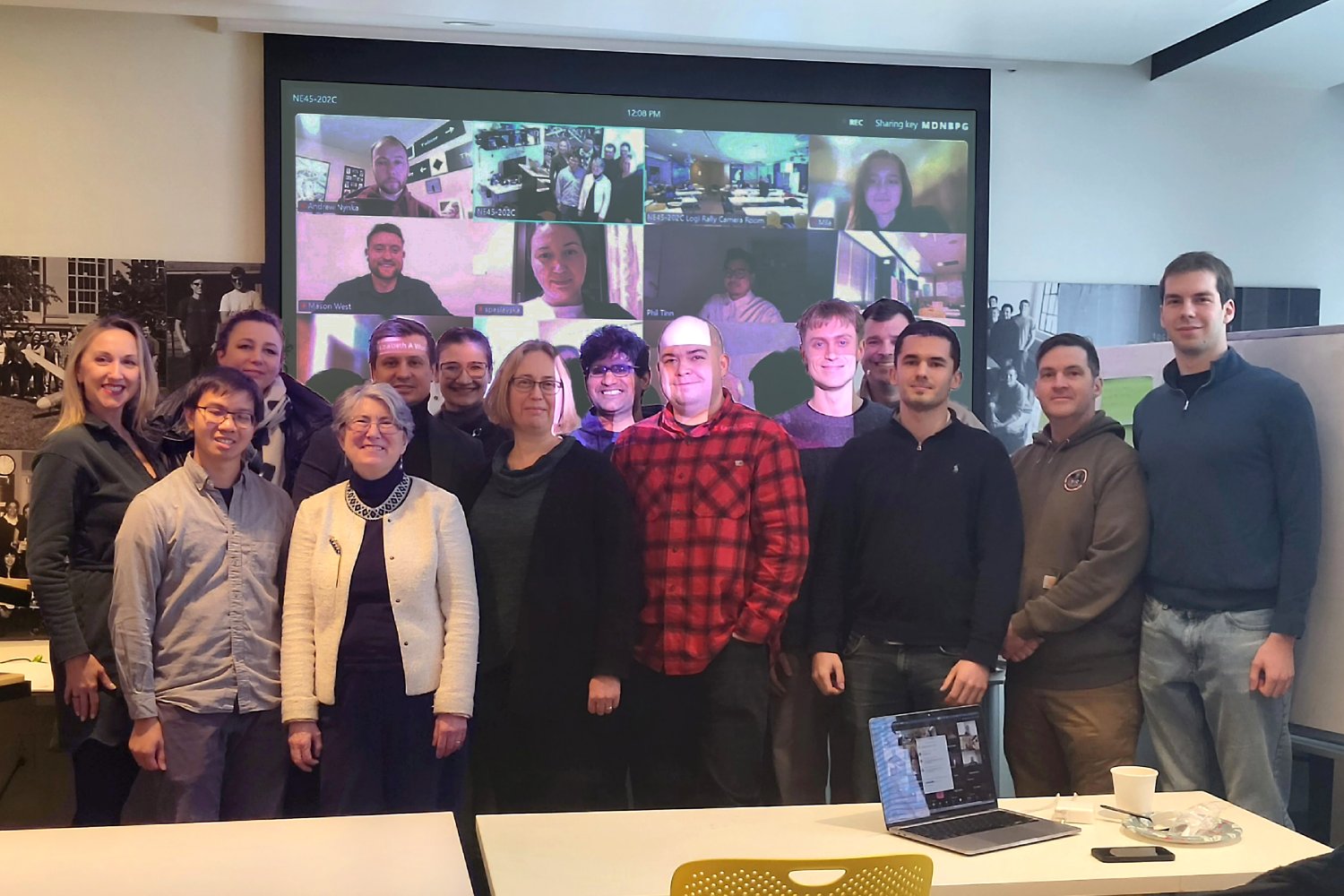
MIT hackathon tackles real-world challenges in Ukraine
MIT's Build for Ukraine 2.0 brought together students, researchers, and Ukrainian collaborators across seven time zones during a four-week hackathon. The teams worked on urgent technical challenges facing Ukraine as the full-scale war entered its fourth year. Despite daily realities of power outages, air-raid alerts, and subzero temperatures, the international teams built solutions together. The shared innovation environment demonstrates how education and solidarity can produce practical results even in the most challenging circumstances.

A Kenyan ranger’s lasting imprint on Africa’s anti-poaching efforts
John Tanui served as a security communications officer at Kenya's Lewa Wildlife Conservancy from 1995 to 2024 — nearly three decades protecting wildlife. He helped modernize how rangers tracked and stopped poachers, making the conservancy safer for endangered animals. Tanui was also known for his impressive knowledge of local wildlife and birds, often guiding visitors through the conservancy. His death drew widespread praise from the conservation community for his lasting impact on African wildlife protection.

Animals are Streaming into 400 Children’s Hospitals From San Diego Zoo’s Dedicated 24-hour Channel
The San Diego Zoo has partnered to stream live animal footage into 400 children's hospitals worldwide. This 24/7 channel reaches hospitals in 12 countries, bringing the zoo experience directly to young patients. Children with weakened immune systems cannot safely visit the zoo in person. The program lets them watch lions, elephants, and other animals from their hospital beds, reducing stress and bringing joy during difficult treatments.