Latest News
Positive stories from around the world · Good news by country
Showing 37009–37032 of 37342 articles
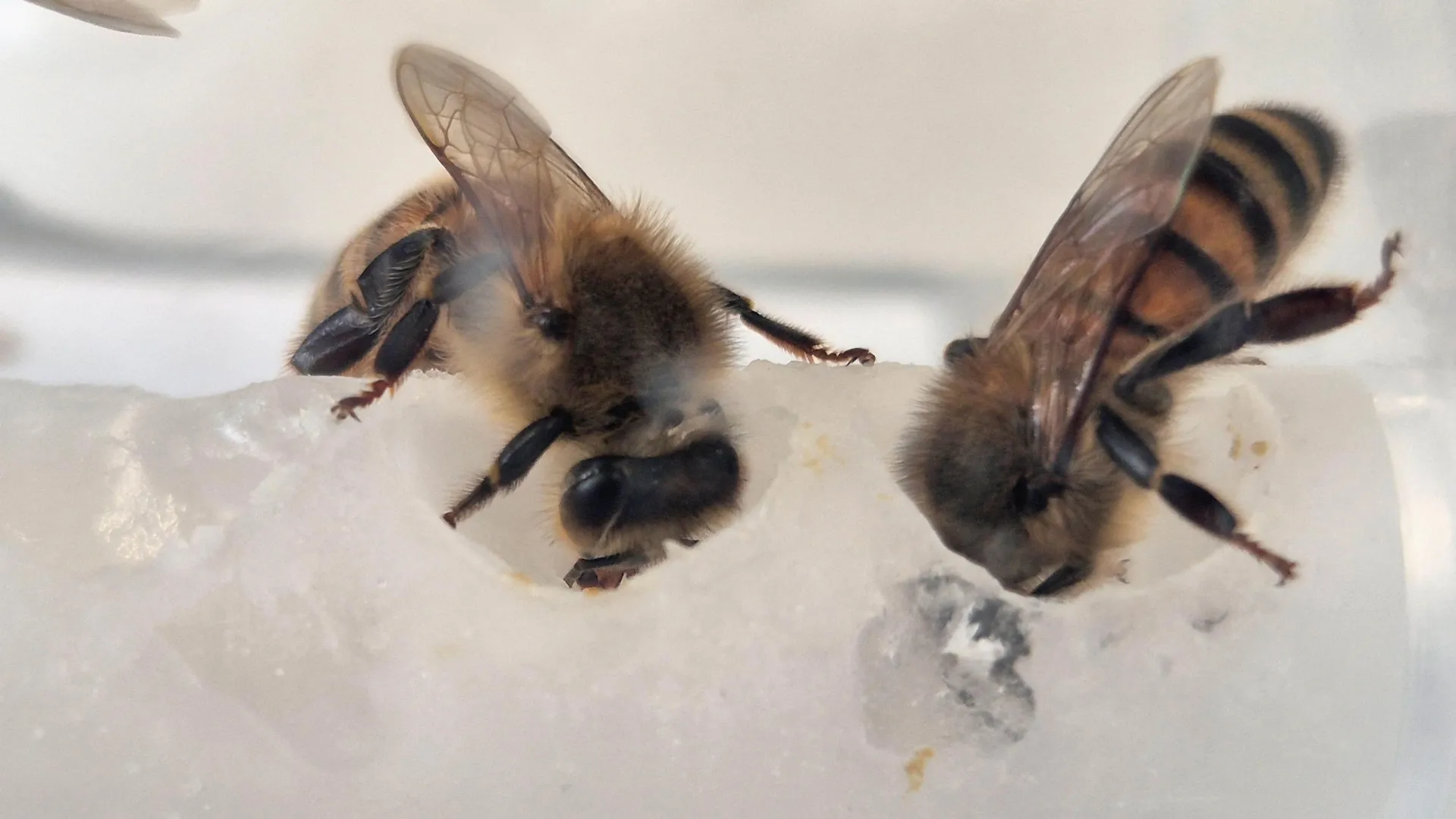
Scientists uncovered the nutrients bees were missing — Colonies surged 15-fold
Scientists engineered yeast to produce a pollen-like "superfood" for honeybees. In trials, colonies fed the specially designed diet produced 15 times more young bees, showing dramatic improvements in reproduction and health. As climate change and modern farming reduce natural pollen availability, this innovation could help support struggling bee populations worldwide.

Scientists create clear nail polish that lets you use touchscreens with long nails
Scientists have created a clear nail polish that solves the frustrating problem of using touchscreens with long nails. By testing dozens of formulas, they discovered that combining taurine and ethanolamine helps fingernails carry the right amount of electrical charge. This allows touchscreen devices to detect touches made with nails, just like they do with fingertips. The research turns a common cosmetic product into a technology-friendly tool.
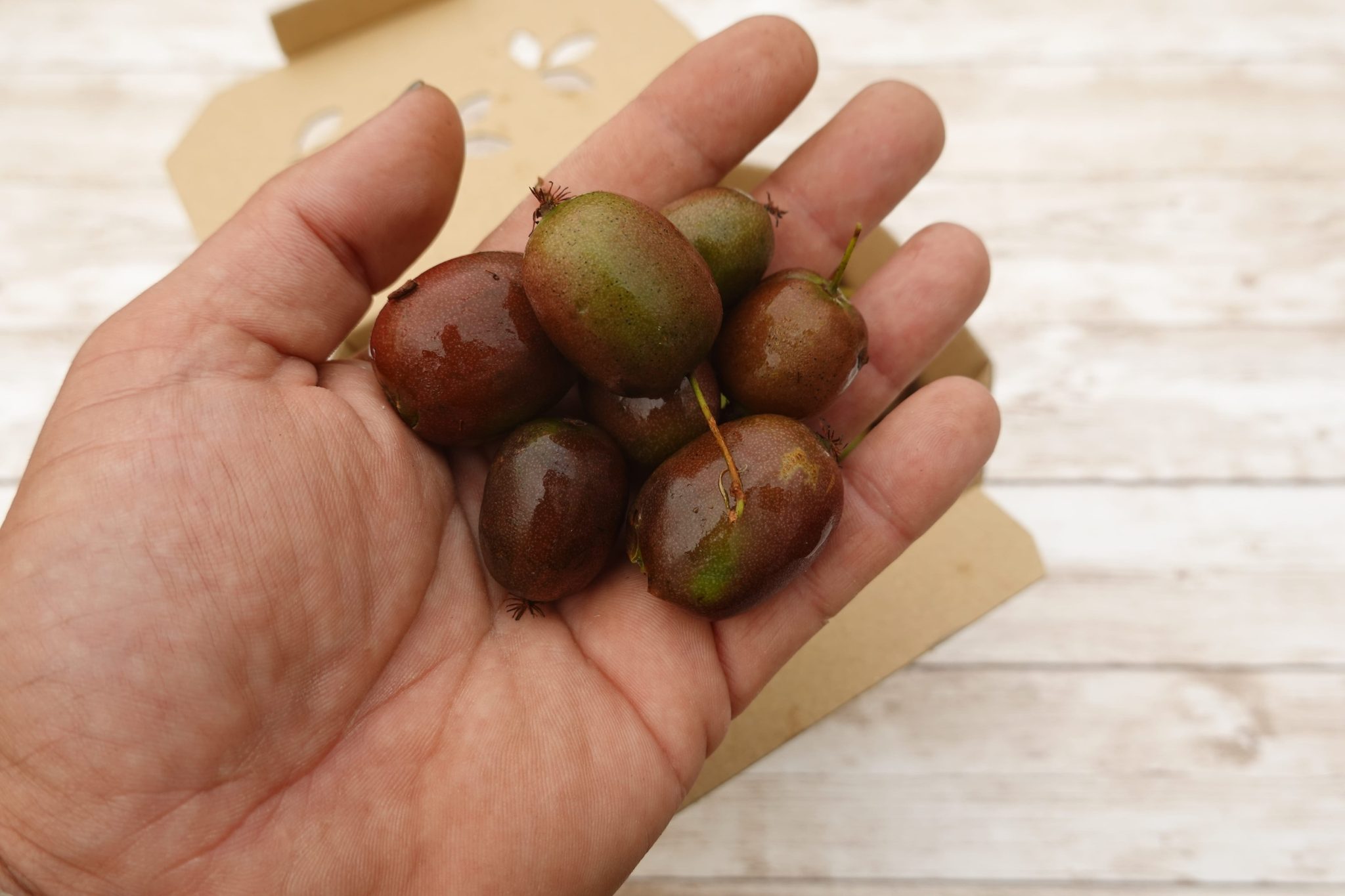
Why the kiwiberry might be the most nutritious fruit you’ve never tried
Scientists are uncovering the hidden health benefits of the kiwiberry, a small fruit once prized only for its beautiful flowers. For centuries, people grew this vine in gardens for decoration while ignoring the fruit it produced. Now researchers are taking the kiwiberry's nutritional profile seriously for the first time. The fruit is revealing itself to be packed with vitamins and antioxidants that could benefit human health.

What nobody mentions in the return-to-office debate: babies
A major new study reveals that the spread of remote work since 2020 is unexpectedly linked to rising fertility rates in wealthy nations. While governments have spent billions on cash bonuses, parental leave, and childcare subsidies, researchers found that flexible work may be one of the most effective — and cheapest — levers for encouraging people to have children. The study suggests work-from-home policies give people more time, flexibility, and financial stability for starting families.

Family and friends help sperm whale mother and newborn during birth
In July 2023, researchers in the Caribbean witnessed something extraordinary. Sperm whales not only attended a birth but actively helped both mother and newborn. Some helpers were not even related to the mother, known as Rounder. The Cetacean Translation Initiative (CETI) team documented how kinship barriers dissolved during this remarkable event, with two studies now published on the observation.

The squid rush in the South Pacific is forcing regulators to act
The South Pacific Regional Fisheries Management Organization (SPRFMO) held its annual meeting to tackle the growing pressure on the region's squid fishery. Jumbo flying squid support huge commercial fleets from China, South Korea, Taiwan, and Japan. The new safeguards aim to prevent the fishery from becoming depleted. However, experts warn that implementing these measures across 59 million square kilometers of ocean will require sustained effort.
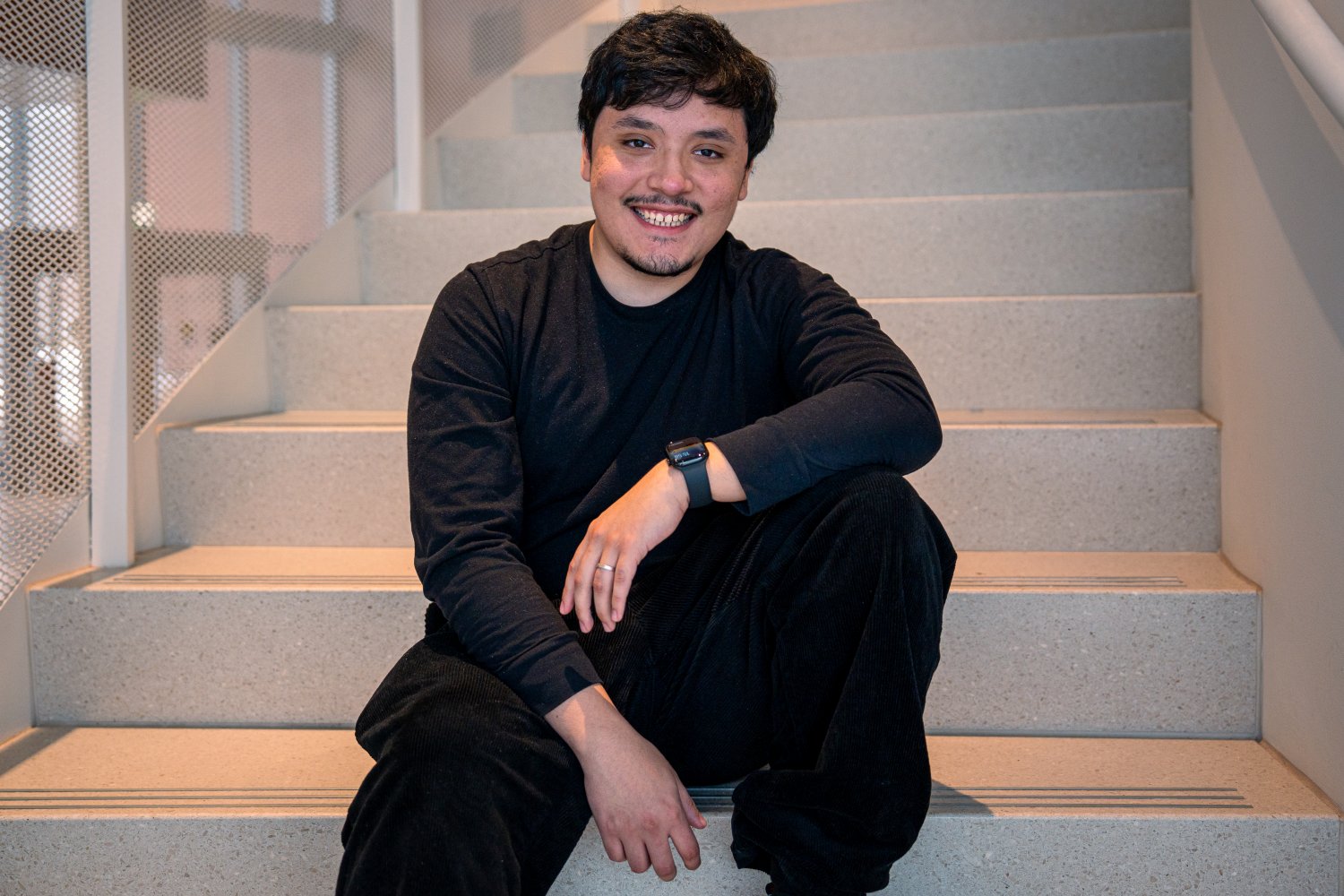
Seeing sounds
Mariano Salcedo is one of the first students in MIT's new Music Technology and Computation Graduate Program. His research uses neural cellular automata (NCA), which combines classical cellular automata with machine learning to grow images that can regenerate. When paired with music, these images can 'show' sounds in action. This approach makes music more accessible and creates new possibilities for artistic expression.

A 3-limbed Kemp’s ridley sea turtle is now being tracked at sea by satellite
Veterinary staff at a Florida sea turtle hospital are using satellite trackers to monitor Amelie, a Kemp's ridley sea turtle who lost her right flipper. The Loggerhead Marinelife Center teamed up with the Smithsonian Conservation Biology Institute for this project. They want to see how well sea turtles with missing limbs can survive in the ocean. The findings could help improve rehabilitation methods for this critically endangered species.
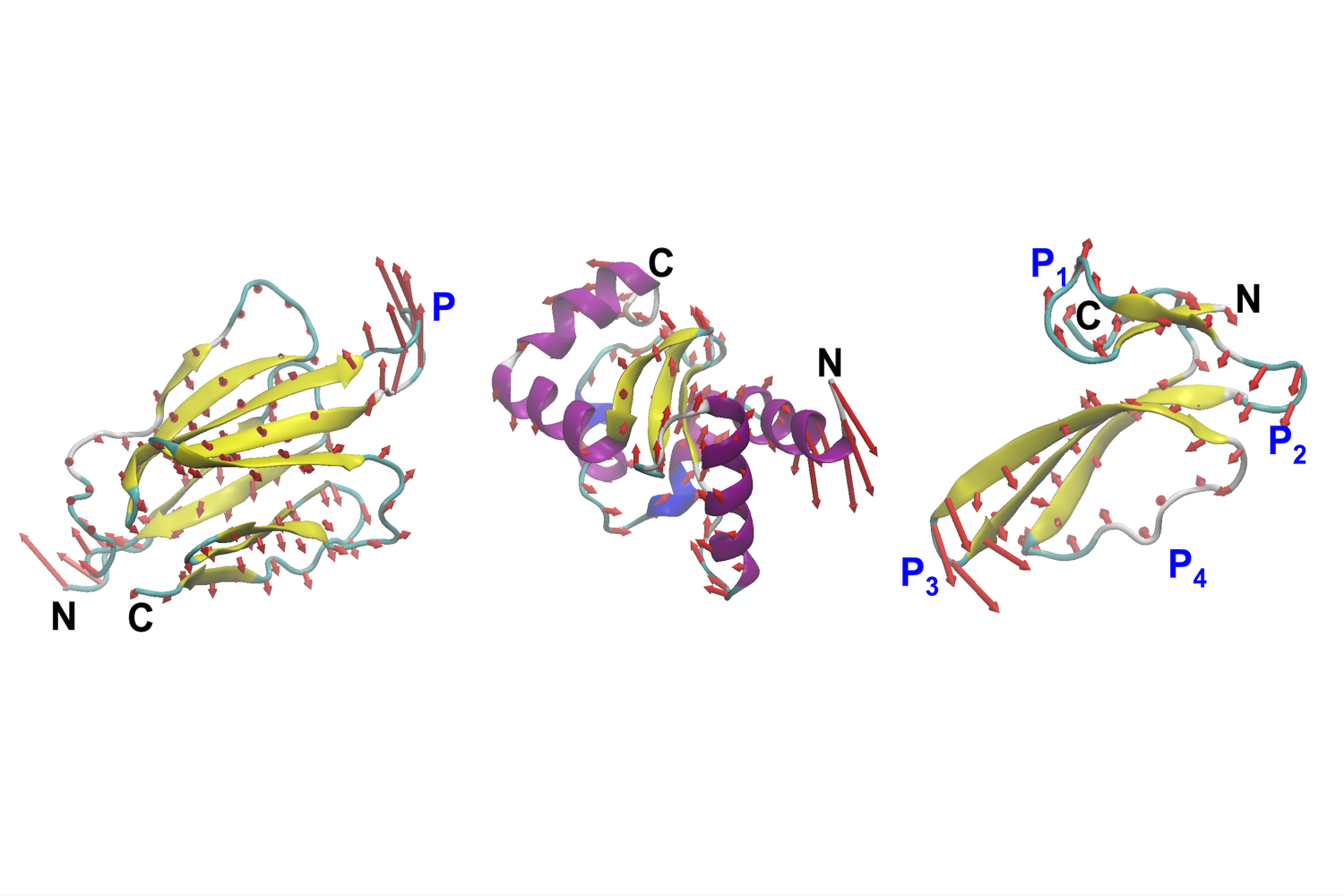
MIT engineers design proteins by their motion, not just their shape
Proteins are tiny machines in every cell of our bodies. They move, stretch, and flex to do jobs like pumping blood and fighting disease. Scientists at MIT have developed a new method to design proteins by focusing on their motion rather than their shape alone. By using artificial intelligence, they can now create entirely new protein structures that don't exist in nature. This approach could lead to better medicines and treatments.

G. Anthony Grant named a 2025-26 NACDA Athletics Director of the Year
G. Anthony Grant, who leads MIT's Department of Athletics, Physical Education, and Recreation, has been named a 2025-26 Athletic Director of the Year by the National Association of Collegiate Directors of Athletics (NACDA). He is one of 28 athletics directors nationwide to receive this honor. The award highlights directors who make positive contributions to student-athletes and their campuses. Grant's work overseeing MIT's athletics programs earned him this recognition.

Tiny 28-Inch Pony Is Now thriving After Being so Sick He Couldn’t Stand
Pickle the Shetland pony has come a long way from near death. The tiny 28-inch pony was discovered critically ill in central England last March. World Horse Welfare, a nonprofit animal charity, rescued him after he was too weak to stand. After months of care, the 9-month-old is now thriving and delighting visitors at the rescue center.

Poop pills and gut microbes: Wildlife microbiome studies aid conservation
Scientists are studying the gut microbes inside wild animals to build new conservation tools. By transplanting healthy gut bacteria — sometimes in pill form — researchers hope to improve animal health and help endangered species recover. Early work with Tasmanian devils in Australia shows promise. The growing field of wildlife microbiome research could become a powerful new tool for rewilding projects around the world.
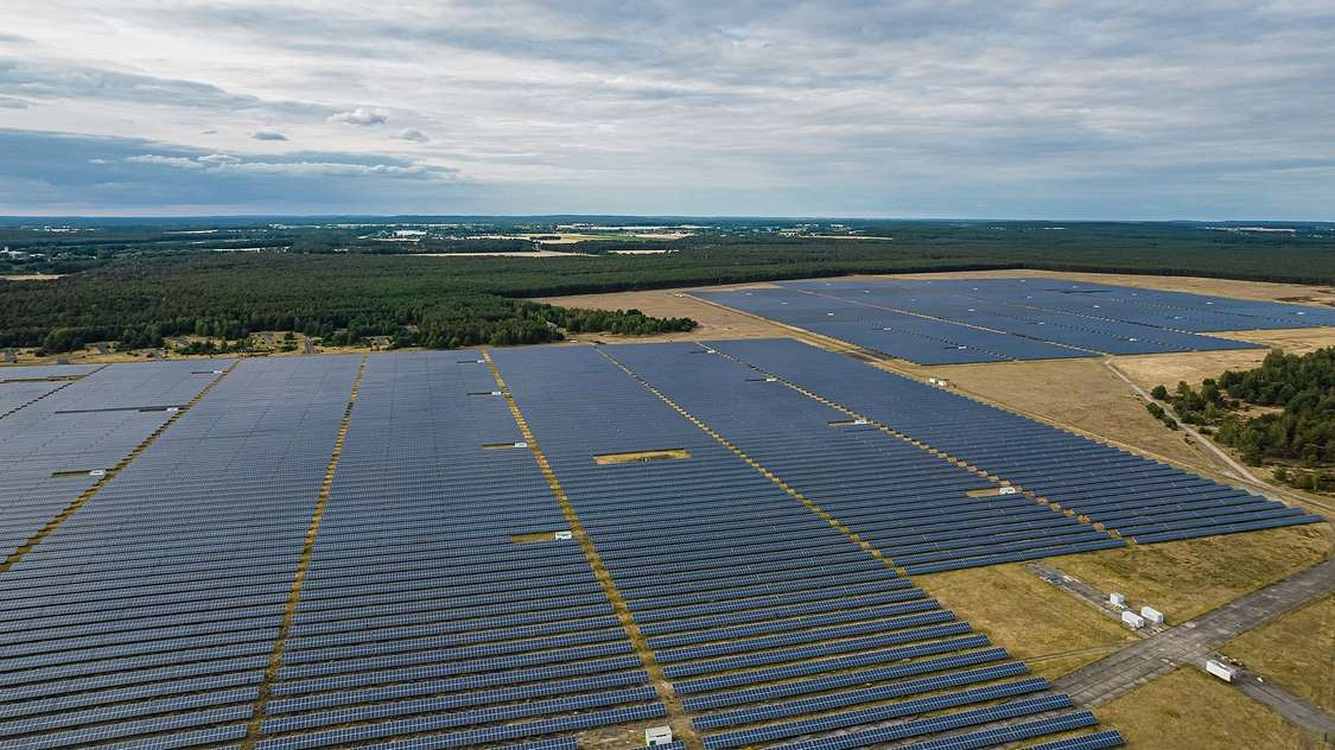
Scientists Were Wrong About How Fast Solar Panels Degrade – They May Last Twice as Long
Scientists surveyed more than 1 million solar panel systems across Germany and discovered that previous estimates of how fast panels degrade were too pessimistic. The team found that earlier models overestimated annual power loss by between 20 and 50 percent. This means solar panels could remain productive for roughly twice as long as once thought. The finding could make solar energy an even more attractive option for fighting climate change and could reshape how planners budget for renewable energy projects.
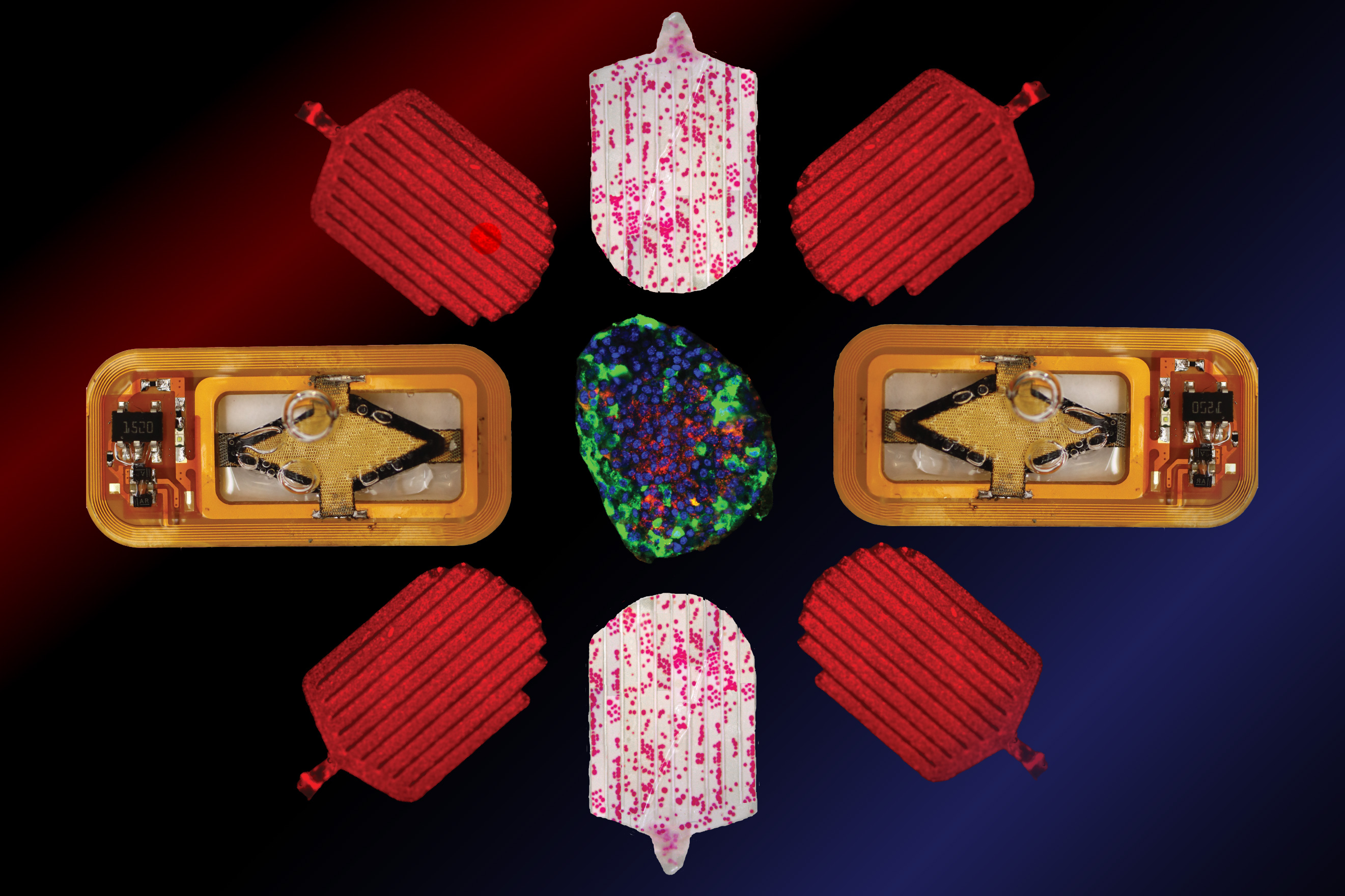
Implantable islet cells could control diabetes without insulin injections
MIT researchers are building an implantable device packed with insulin-producing cells. The device encapsulates the cells, protecting them from the immune system's attacks. It also has a tiny oxygen generator to keep the cells alive and working. If it works, diabetics might one day skip their daily shots.
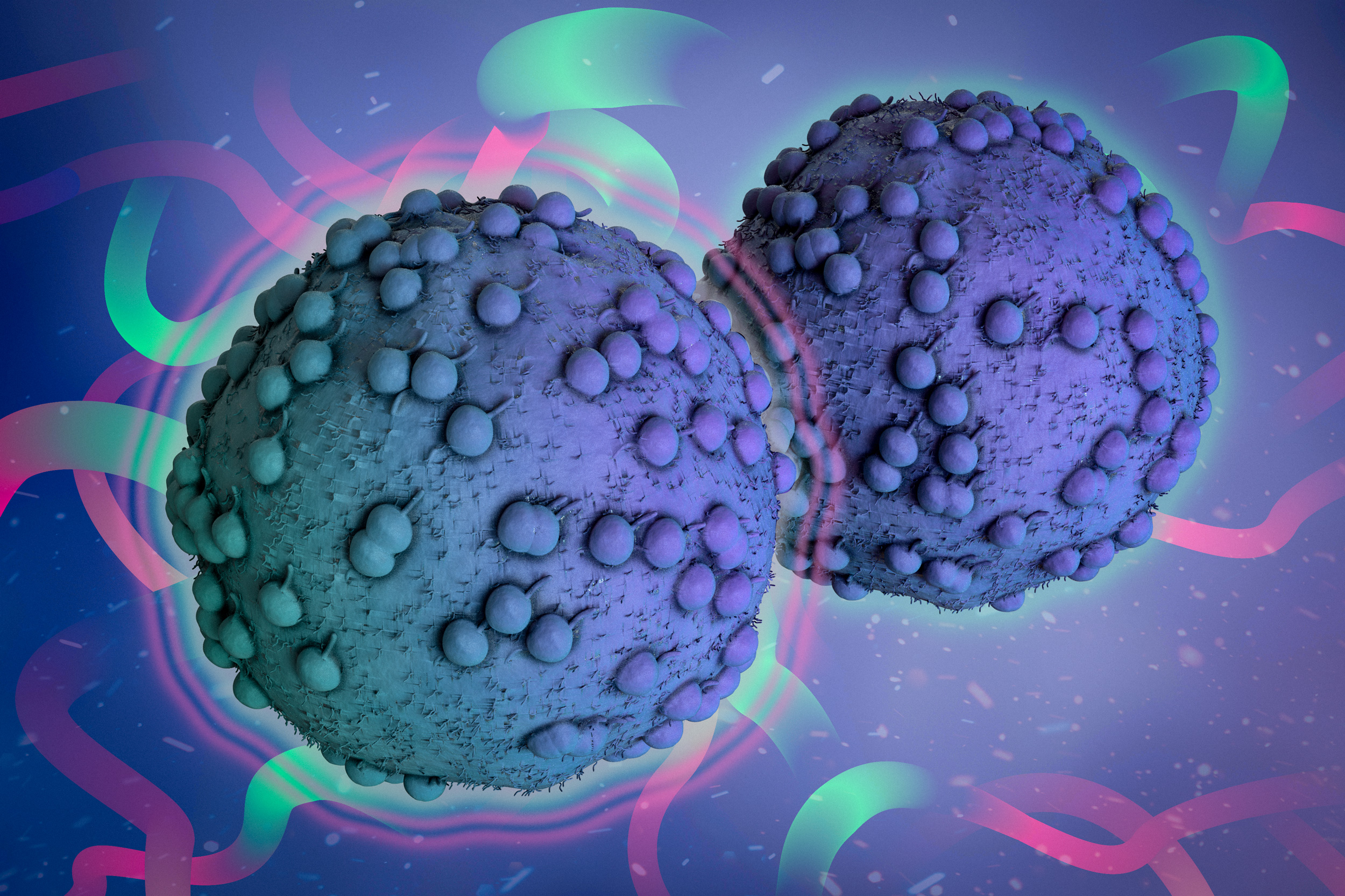
Study reveals why some cancer therapies don’t work for all patients
MIT scientists have uncovered why certain cancer drugs only work for 40–80% of patients. They discovered that tumors possess a backup survival pathway that activates when the primary target is blocked. This backup system appears to be hardwired into cancer cells rather than acquired. The finding could guide researchers toward combination therapies that block both pathways simultaneously.
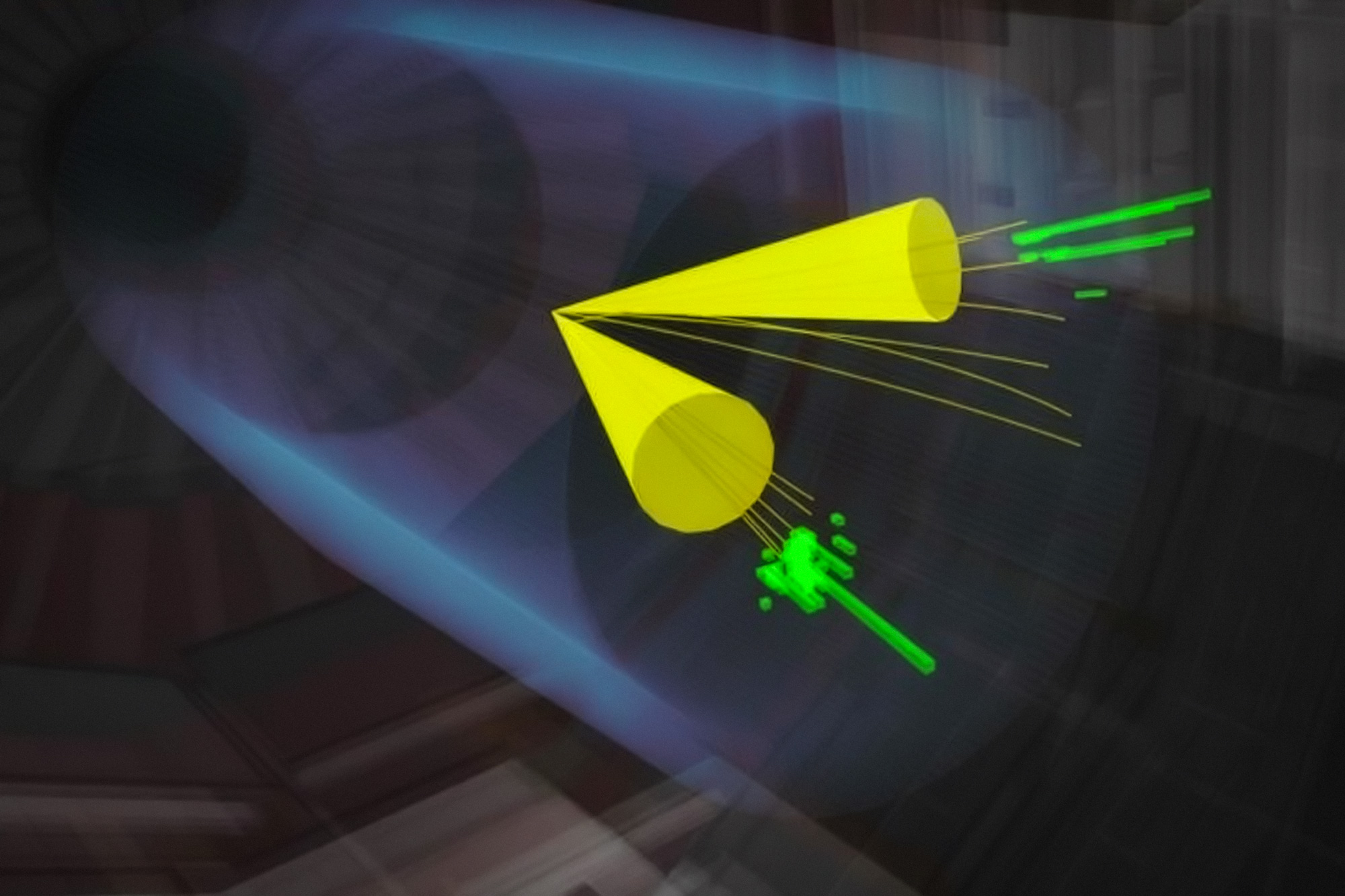
“Near-misses” in particle accelerators can illuminate new physics, study finds
Particle accelerators work by smashing atoms together at near light speed and studying the fragments. Scientists at MIT discovered a new use for the particles that almost collide but miss each other. These 'near-misses' contain valuable data about the building blocks of matter. The team turned the accelerator into a new kind of microscope by analyzing these almost-collisions.

What We Actually See—and Don’t See—Shows Consciousness Is Only the Tip of the Iceberg
Scientists are discovering something surprising about how we see. New visual experiments show that only a tiny fraction of the information our brains process actually enters our conscious awareness. A condition called blindsight provides strong evidence for this. People with this condition can respond to things they cannot consciously see, showing the brain does enormous visual work below the surface of awareness.
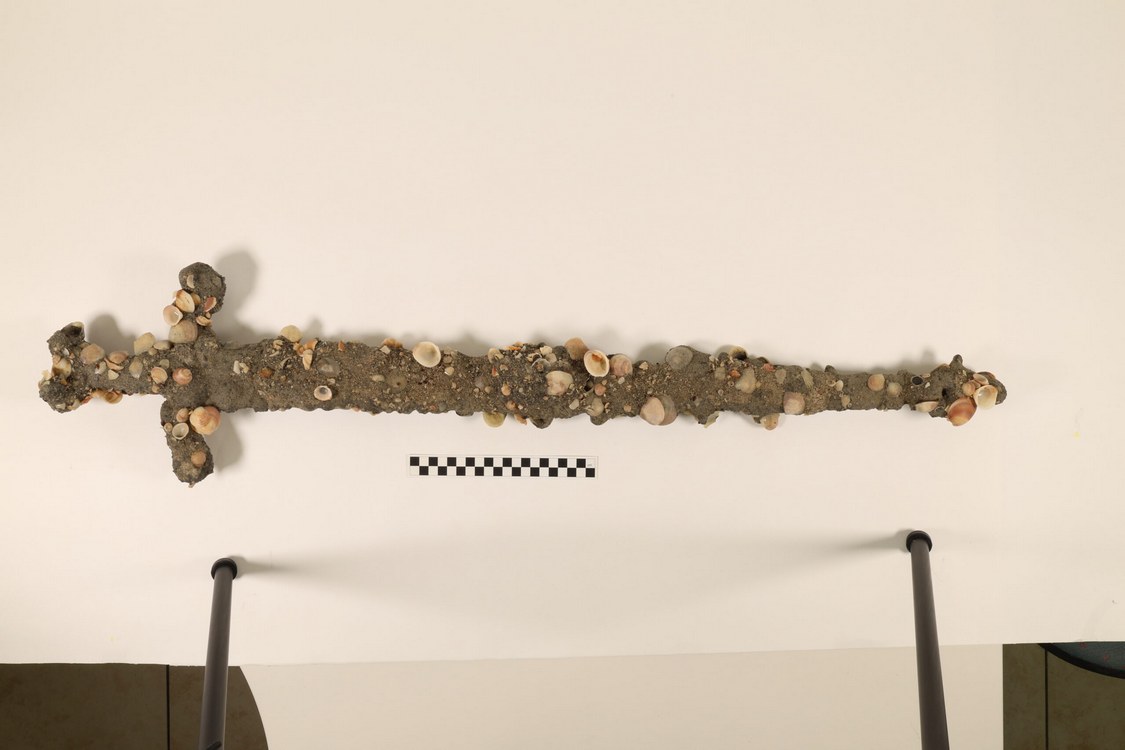
Diver Finds Crusader Sword in the Same Place He Found a Crusader Sword 5 Years Ago
Israeli diver Shlomi Katzin has made an incredible archaeological discovery — finding a second Crusader-era sword on the seabed off the Israeli coast. The 900-year-old weapon was discovered near the same location where he found another sword five years earlier. The blade, locked up in shells and sand, was half-buried but still identifiable by its distinctive shape. This rare double discovery suggests the spot may hold more secrets from the Crusader period.
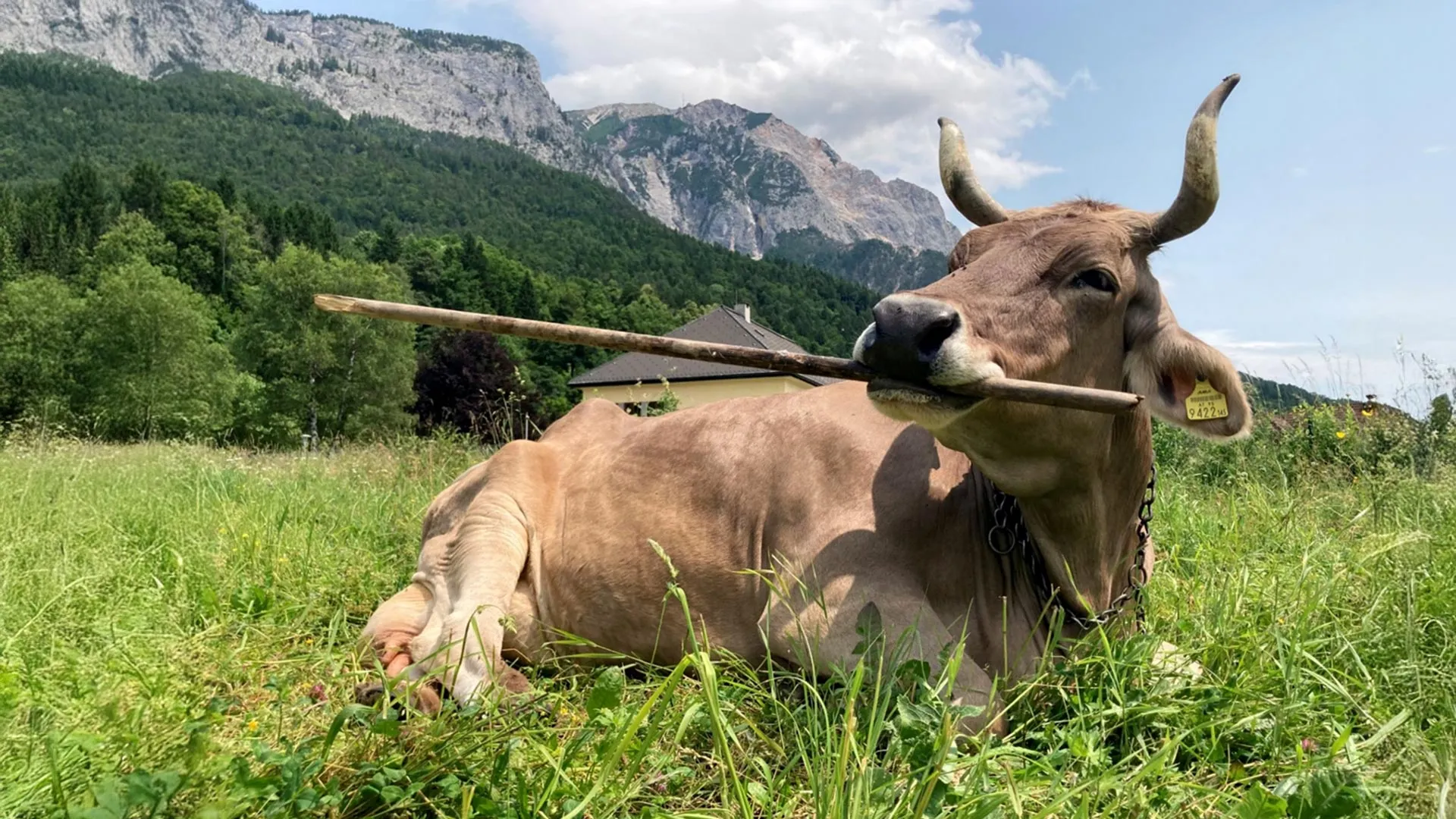
This cow uses tools like a primate—and scientists are stunned
Scientists are amazed by a cow named Veronika who uses tools just like primates do. She selects different ends of a brush depending on which part of her body she wants to scratch. Then she adjusts her movements to match. This kind of flexible, intentional tool use was previously thought to be very rare in the animal kingdom, appearing mostly in apes and monkeys. The discovery suggests cows may be far smarter than people have assumed.
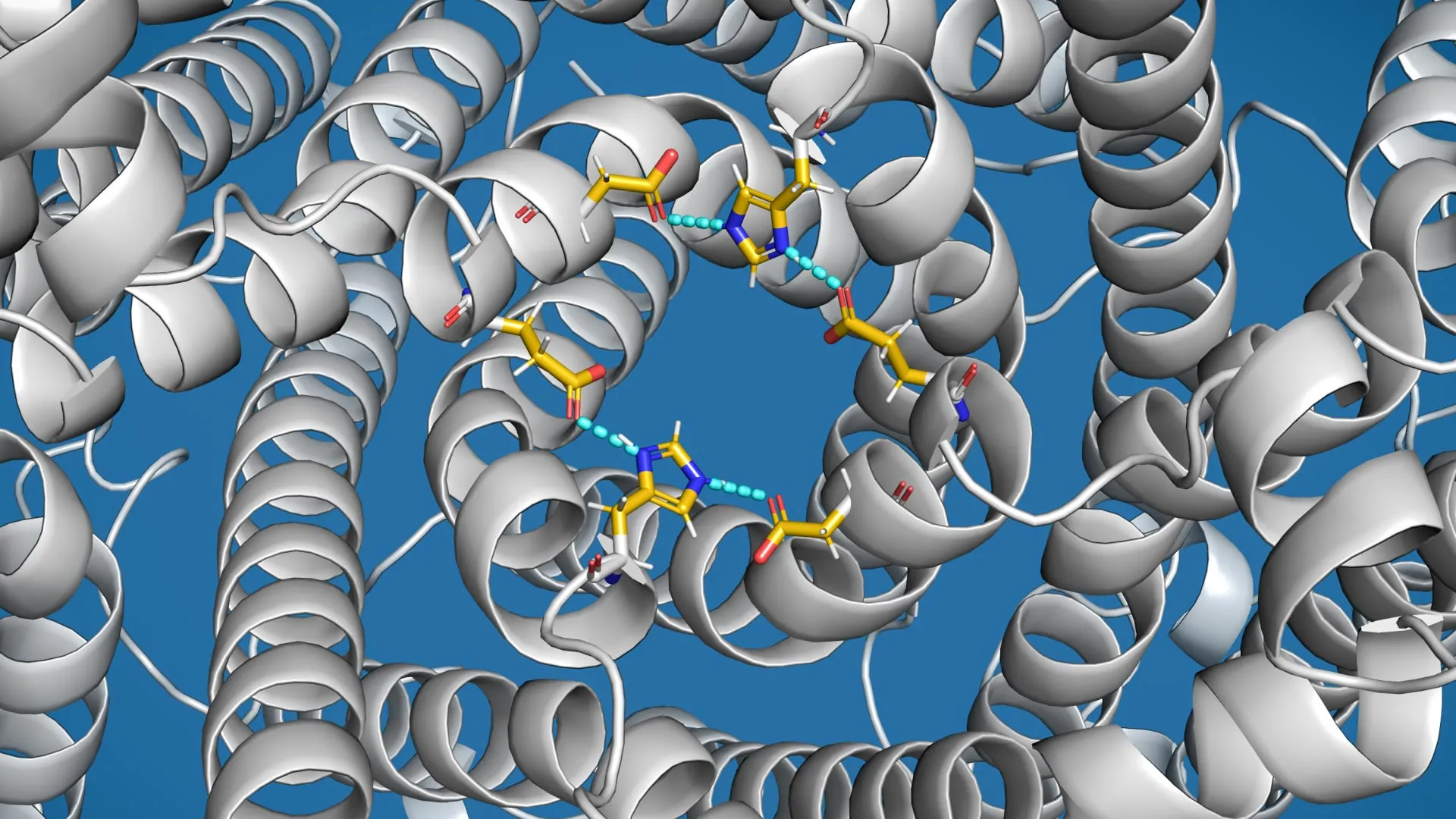
Scientists discover “overflow valve” in cells linked to Parkinson’s Disease
Scientists discovered a tiny protein called TMEM175 that works like an overflow valve inside cells. This valve controls acidity in lysosomes, which are the cell's recycling centers. When TMEM175 works properly, cells break down old parts efficiently. When it fails, toxic waste can build up and contribute to Parkinson's Disease. Researchers hope this finding leads to new medicines.

What you do in midlife could reveal how long you’ll live
Researchers monitored fish throughout their lives and found that simple midlife behaviors could predict lifespan. Fish that stayed active and slept mostly at night lived longer, while those slowing down early lived shorter lives. Surprisingly, aging did not unfold smoothly—instead, it occurred in sudden jumps between stages. The findings suggest tracking daily habits in humans could reveal early clues about how we age.

Scientists find immune cell linked to long COVID fatigue and symptoms
Scientists have uncovered a key clue about long COVID hiding in the immune system. By analyzing individual immune cells, they identified a distinct molecular state in white blood cells—especially in patients who had mild or moderate initial COVID. This discovery could help explain why some people experience fatigue and other symptoms long after the infection fades. Up to 1 in 10 people who get COVID end up with long COVID, making this research potentially valuable for millions worldwide.
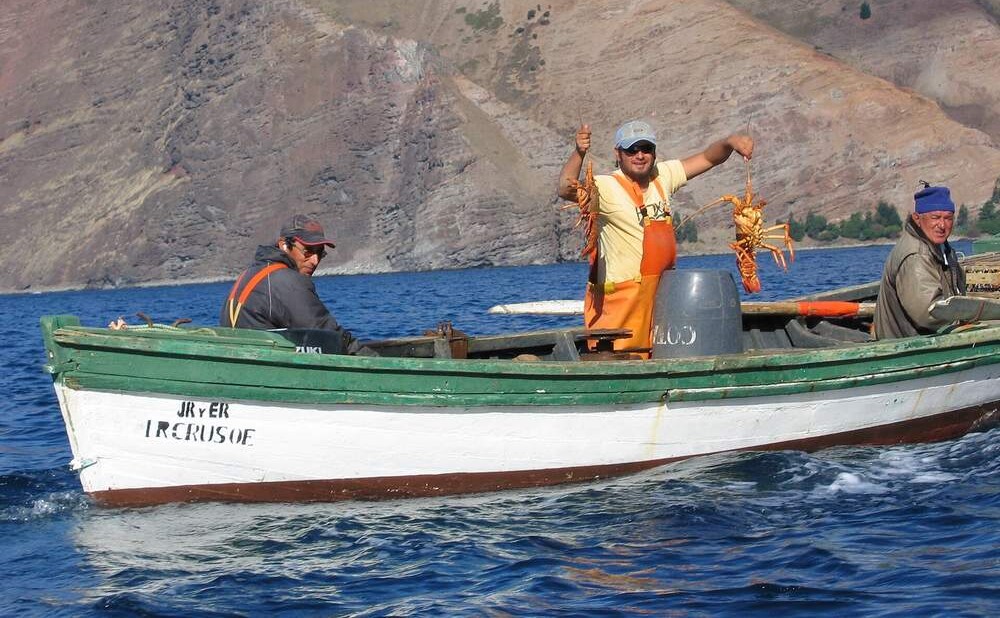
Marine National Park Bigger Than Texas Created by Departing Chilean President Around Pacific Islands
Just before leaving office, former Chilean President Gabriel Boric signed protections for the remote Juan Fernández Archipelago and a massive stretch of surrounding sea. The new marine park covers 386,000 square miles — larger than Texas and roughly the size of Venezuela. When combined with existing Nazca-Desventuradas marine parks, the protected area now accounts for 50% of Chile's entire ocean territory.

A nature-based solution to save the Mekong Delta’s water future (commentary)
The Mekong Delta, one of the world's three most climate-vulnerable regions, is home to 18 million people who produce half of Vietnam's rice and 65% of its aquaculture. Yet the region faces mounting threats from rising seas, water pollution, and groundwater depletion. A new commentary calls for nature-based solutions—such as restoring wetlands and mangrove forests—to tackle the water crisis. Currently, only 20% of wastewater is treated and over 60% of rural residents lack access to safe water and sanitation.