Latest News
Positive stories from around the world · Good news by country
Showing 3697–3720 of 37373 articles

A new way to make better use of ruthenium in single-atom catalysts
A team led by Tohoku University developed a carbon-based catalyst that keeps individual ruthenium atoms separated. It can hold up to 11% ruthenium by weight, compared with usually less than 2% in similar catalysts. The catalyst turns carbon dioxide into formic acid with over 99% selectivity and stayed effective after repeated use. This could help make better use of rare metals in industry.

Targeting hormone receptors reduces lupus-related kidney damage in mice
Teams from the University of California, Riverside, and City of Hope studied immune cells involved in lupus. They targeted an imbalance in prolactin hormone receptors. This lowered inflammation and harmful immune cells in mice while leaving helpful immune cells intact. The findings suggest a possible path toward treatment, but they do not show that it works in people.

Ultrashort laser pulses can slice lab-grown diamond along useful crystal plane
A study reports that ultrashort laser pulses can cut lab-grown diamond along a crystal plane useful for technology. Diamond can carry heat away from semiconductor devices and may work in high-power electronics. It also lets visible light pass through, making it useful in demanding optical tools. The cutting method could help unlock these uses.

Study shows AI may improve patient discharge summaries
Researchers at Stony Brook University studied how artificial intelligence can help doctors prepare patient discharge summaries. They found AI may make the work more efficient while improving accuracy and completeness. The study was published online in npj Digital Medicine. The report does not give measured results or patient numbers.

The high-tech efforts to restore ‘climate hero’ mangroves | CNN
Abu Dhabi is restoring and expanding mangrove forests along its coast. The effort uses technology to support the work. Mangroves can help reduce flooding and absorb carbon, making them valuable as the climate changes. The article gives no figures for the size or progress of the project.
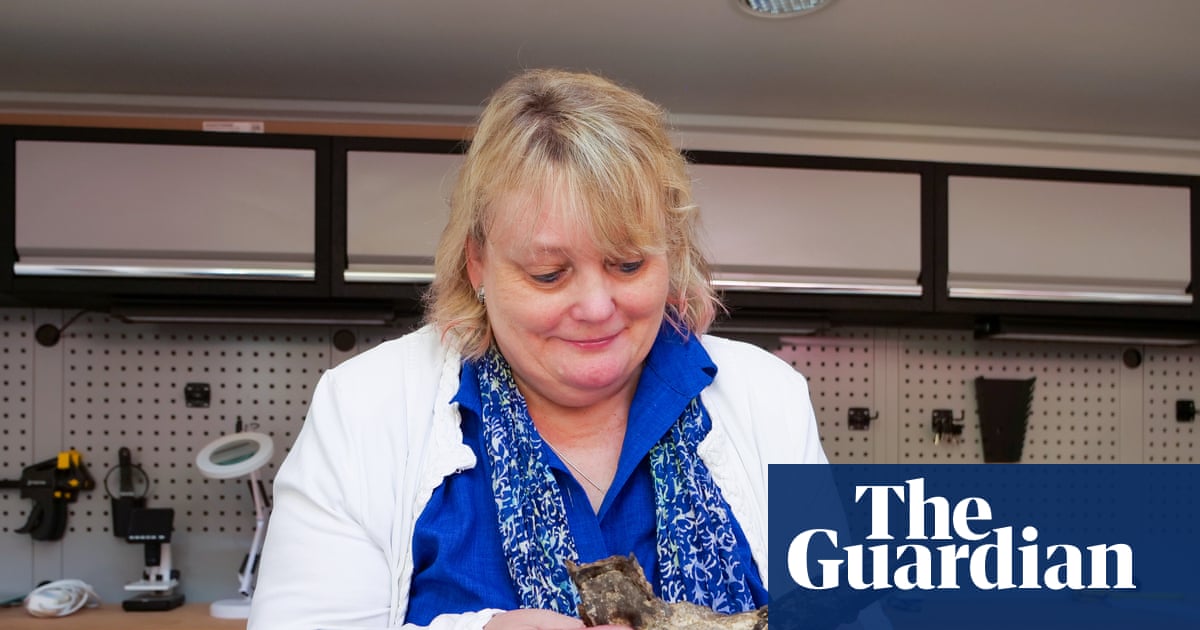
Fossilised red blood cells found in 115m-year-old dinosaur’s bone, say scientists
Researchers studying an Aratasaurus hind leg bone found tiny structures that resemble red blood cells. Chemical tests also detected heme, a part of blood that helps carry oxygen. The fossil is from a dinosaur that lived in what is now northeastern Brazil about 115 million years ago. Other scientists question whether the structures really are blood cells.

ASN: Fruits and vegetables improve outcomes in stage 3 chronic kidney disease
At Kidney Week in Denver, researchers reported better clinical outcomes for people with stage 3 chronic kidney disease who received fruits and vegetables. The study compared this approach with sodium bicarbonate treatment and usual care. The short report does not give the size of the benefit or describe specific outcomes.

Study provides reassuring news for women using medications to treat opioid use disorder during pregnancy
Researchers at the University of Maryland School of Medicine studied medication for opioid use disorder during pregnancy. Their findings offer reassurance that patients should not lower their doses just to prevent withdrawal symptoms in newborns. The brief report does not provide study size or detailed results.

Long-term observations of marine clouds reveal how in-cloud motions shape rain
Researchers at Brookhaven National Laboratory analyzed more than 700,000 cloud samples collected at sites around the world. They found marine stratocumulus clouds can produce drizzle even when they hold little liquid water. Air motion and the paths taken by drops help shape the rain. The findings may guide better weather models.

How the immune system gets better at detecting pathogens
Researchers at Yale School of Medicine uncovered a key step in antibody mutation. A protein called NELF makes a DNA-copying enzyme pause, exposing a strand of DNA. This lets another enzyme reach it and trigger mutations in antibody genes. The finding explains how B cells tailor antibodies to fight pathogens.

Blood chemistry reveals why some animals bleed blue, green or purple
Most vertebrate blood is red because iron-rich hemoglobin carries oxygen. Horseshoe crabs and other sea animals use copper-based hemocyanin, which can make blood blue, while some worms use purple hemerythrin. New Guinea lizards build up a green pigment, and sea squirts may have yellowish blood. Antarctic icefish lack hemoglobin and red blood cells, so their blood looks milky white.

Postop morbidity lower with laparoscopic versus open resection of colorectal liver metastases
Researchers pooled results from randomized trials involving 761 patients with colorectal liver metastases. Complications occurred in 19% of patients assigned to laparoscopic surgery, compared with 27% after open surgery. After a median follow-up of 93 months, survival and the chance of cancer returning were similar. The study was led by researchers at Maastricht University in the Netherlands.

Brand enchantment: How luxury brands become a source of meaningfulness for employees
Researcher Rachel Waldo at Lund University studied 39 employees across luxury houses within LVMH. She found that workers in roles like law, marketing and packaging can draw meaning from a brand's history and ideals. Employees may feel attached to those ideas even when cost cuts or routine tasks clash with them. The study describes this link as “brand enchantment.”

Engineers address key hurdle for exhaled breath diagnostics
Researchers at the University of Notre Dame found that evaporation can remove biomarkers from exhaled breath samples, causing inconsistent test results. They tracked how droplets form and lose compounds, then built a model to estimate those losses. The work points toward better sample collectors and more reliable, low-cost tests for COPD and other conditions.

Predicting jumping genes' roles in changing genome size
Researchers at The Ohio State University created PrinTE to model how transposable elements, or jumping genes, change genomes over millions of years. The tool starts with an inferred ancestor and simulates changes toward a modern genome. In a fungal study, bursts of insertions were followed by deletions, hinting at a natural defense against more insertions. The work could help scientists study how genomes evolve.

Are there better ways to protect athletes from blows to the head? Researchers test student football players
At Université de Montréal, researchers are tracking football players at games with sensor vests and instrumented mouthguards. The devices record impact force and location, then send data to staff on the sidelines. An alert for an impact above 40 g prompts the team to flag it for medical review. The 40 g mark is a research benchmark, not a concussion diagnosis.

A century-long sky signal: noctilucent clouds are sinking
Researchers compared about 20,000 cloud-height measurements from 2020 to 2026 with older observations dating to 1890. They found that noctilucent clouds are gradually appearing lower in the sky, with a 99.5% confidence level. The measured rate is 1.2 kilometers per century, about half the rate predicted by one model of rising carbon dioxide.
Can satellites spot a weather front before the forecast arrives?
A new machine learning system called SATFRONT detects cold, warm, and occluded fronts over Europe using satellite images. Tested against UK Met Office analyses for 2024, the satellite-only model scored 0.428 on a front-detection measure. That falls within the 0.277 to 0.501 range of agreement among national services. Adding reanalysis data raised the score to 0.591.

A rumor’s leftovers may reveal how often people get pulled back in
A new mathematical model links the final mix of former rumor spreaders to their reactivation rate. The researchers tested it on 354,930 retweet episodes about the Higgs boson on Twitter. Their estimate was 2.21%, with a range of 1.6% to 3.0%. The result describes an effective rate, not proof of the exact process behind each rumor.

The AI never flies the spacecraft—and that is the point
Researchers tested language models as helpers for designing spacecraft control laws. Each design must pass a mathematical certificate check before it can be returned. Results varied by task and method, and performance depended on how the spacecraft motion was modeled. The study shows how AI can help with engineering while keeping safety checks separate.
The best weather forecast may come from models that disagree
Researchers blended forecasts from AI and physics-based models for sites across the United Kingdom. The combined forecasts were more skillful for temperature and wind speed. Blends improved most when the models made different errors. Calibration, which adjusts forecasts to better match past results, improved accuracy further.
The island-grid paradox: renewables need a grid that can stand on its own
Island power grids have little backup from other networks, so renewable power can make them harder to balance. Grid-forming converters can set the grid's voltage and frequency, helping it stay stable. The report reviews their promise and the technical and rule-setting work still needed. A case study finds they can improve stability in a weak grid.
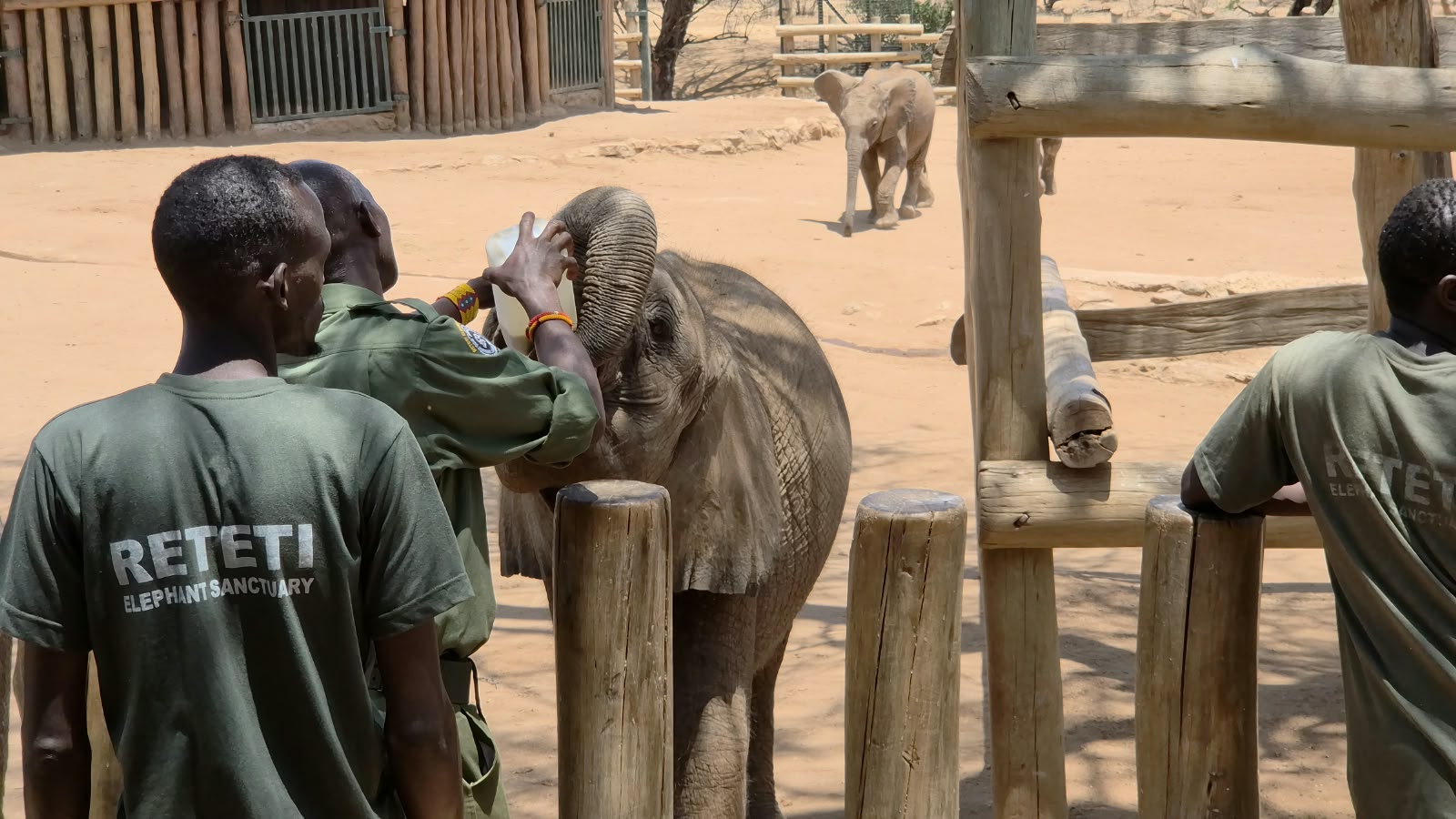
Reteti Elephant Sanctuary puts community at the heart of conservation
Reteti Elephant Sanctuary is Africa’s first fully community-owned and community-run elephant orphanage. It sits within the 850,000-acre Namunyak Wildlife Conservation Trust in Samburu County, Kenya. The sanctuary cares for orphaned elephants and also welcomes tourists. Kenya's tourism board is promoting Northern Kenya as a gateway to lesser-known destinations.

'Heart-in-a-dish' paves way for personalized treatment for heart failure
Researchers at McGill University turned blood cells into miniature beating heart tissues carrying each person's genes. They used these tissues to study dilated cardiomyopathy, a serious form of heart failure. Cells from one woman responded to a hormone in an unexpected way, unlike cells from one man and two healthy volunteers. The team is expanding the work using samples from 40 people.