Latest News
Positive stories from around the world · Good news by country
Showing 961–984 of 37346 articles
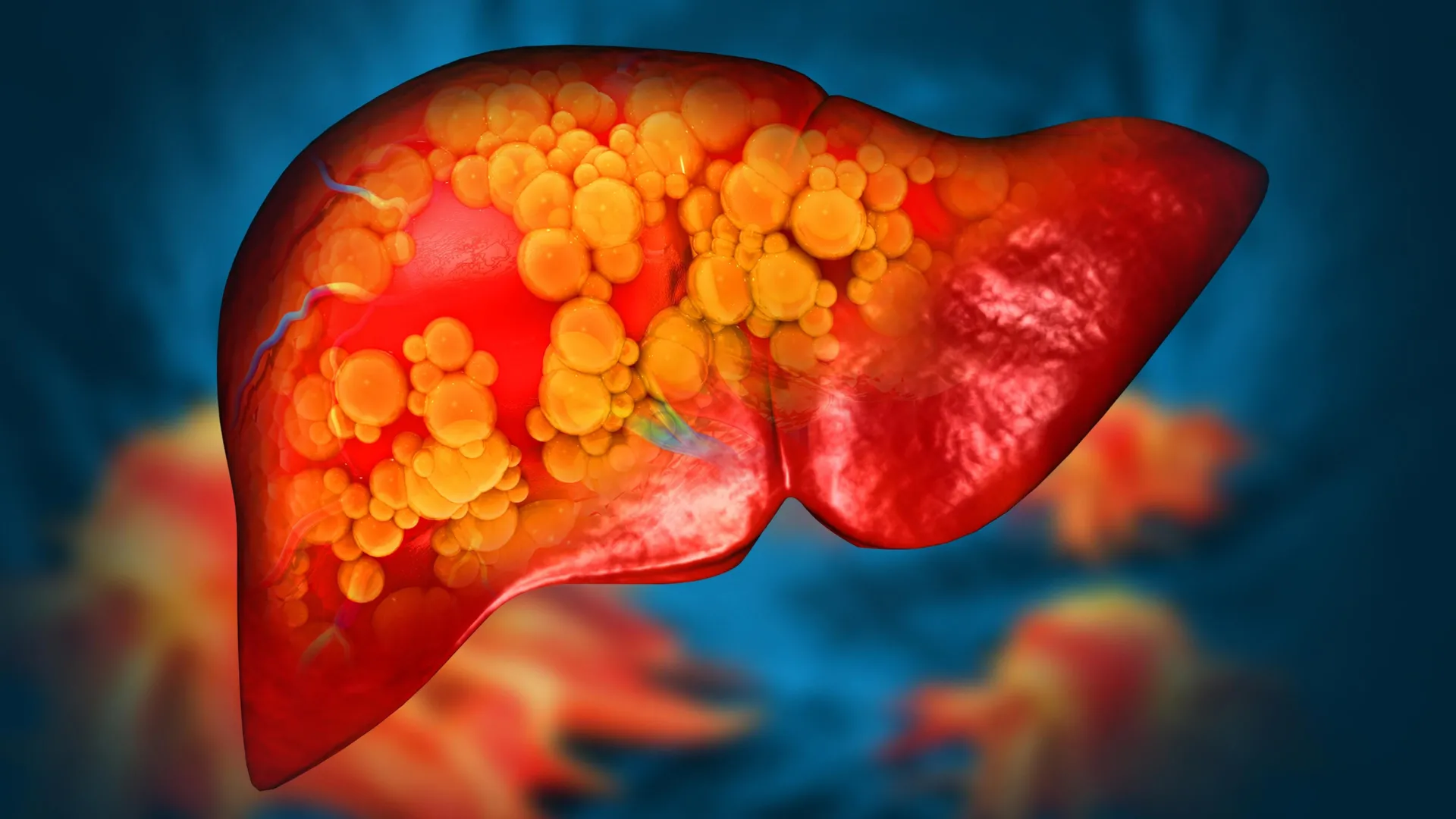
Keto diet slashes liver fat by 67% in just 4 months
A new clinical trial compared the keto diet with Mediterranean and low-fat diets. Keto worked better at reducing liver fat, even when people lost similar amounts of weight. After four to five months, liver fat fell by an average of 67% on keto. About half of the keto group no longer met the criteria for prediabetes, a condition that comes before type 2 diabetes.

Molecular glues: Unlocking new targets in cancer
Cells use enzymes called E3 ligases to decide which proteins to destroy. The human genome has several hundred of them, but drug developers have used only a few. In a new review in Molecular Cell, researchers at Karolinska Institutet and the University of Verona argue the rest could lead to the next generation of cancer drugs.
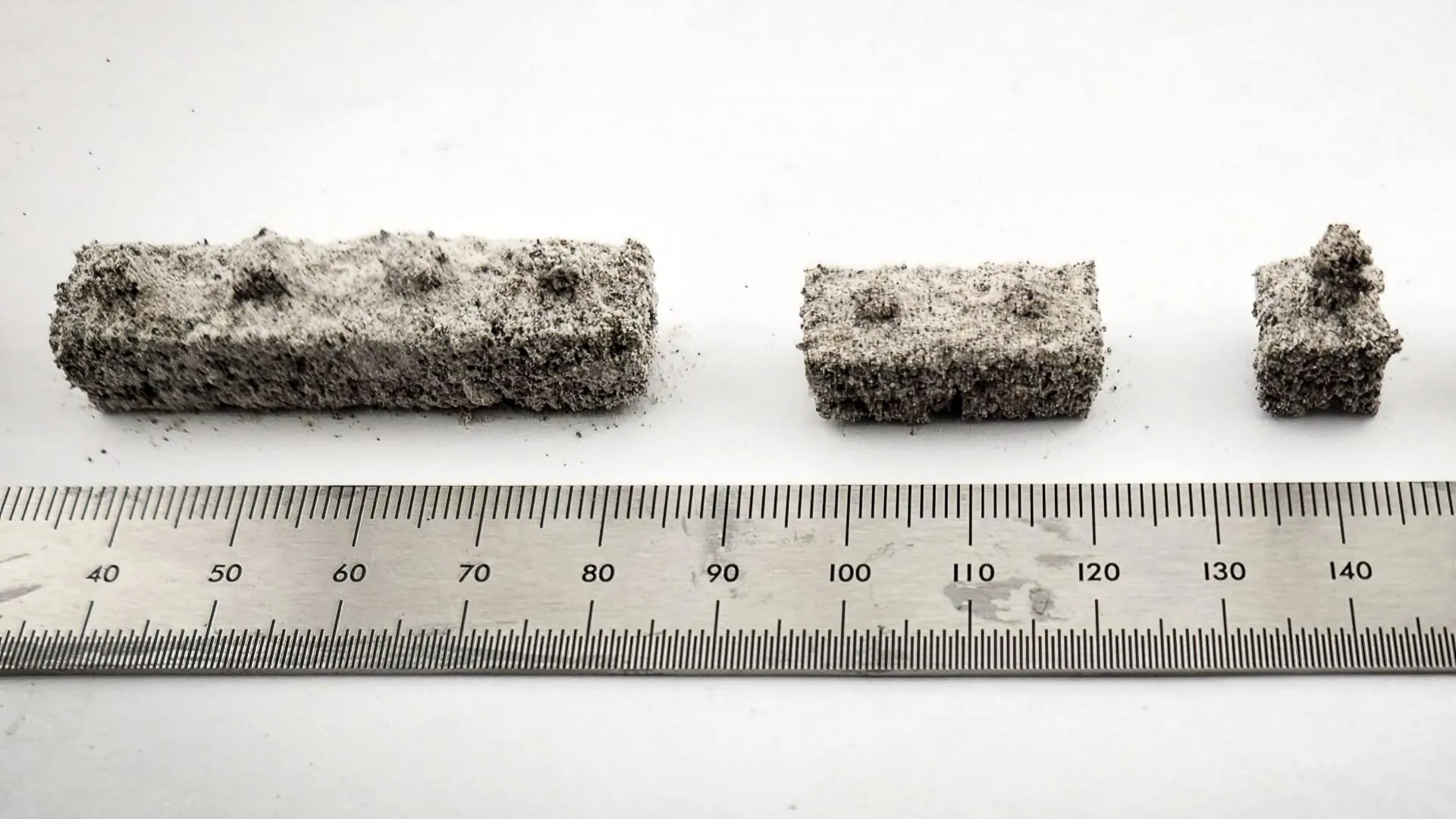
Scientists turn Moon dust into LEGO-like bricks for future lunar bases
Scientists have found a way to 3D-print Moon dust into bricks that snap together like LEGO. This could let astronauts build lunar bases using materials already on the Moon. The bricks still need to be made stronger before they can be used. The idea could change how people build homes beyond Earth.

Edna Karijo Recognised At Africa Tech Festival | CIO Africa
Edna Karijo, an associate director at eMobilis Technology Training Institute in Kenya, has won the Women in Tech Leadership Award. The prize was presented at the Africa Tech Festival Awards 2026. It honours women who lead in the technology field across Africa. Her win shows growing recognition for women in tech.

CERN scientists finally find evidence of a particle decay so rare it took 40 years to detect
Scientists at CERN, the European particle physics lab near Geneva, have found the first evidence of a very rare particle decay. The process was searched for over more than 40 years. It is expected to happen just once in every 10 billion beauty particles. The discovery could help physicists look for unknown particles and forces hiding in the tiny world.

Study finds decades of water-saving innovation helped Northeast and Midwest avoid potential drought crises
A new study in Environmental Research Letters looks at the U.S. Northeast and Midwest. Over the past 50 years, these regions grew in people, businesses and electricity use. Even so, they became much stronger against severe drought. The gains came from water-saving methods, new technology and changes in how the economy works.

Research team finds an antibody that recognizes DNA shape and responds to antibiotic-induced structural changes
Researchers at Saitama University in Japan have found a VHH antibody, a small antibody type taken from llamas and camels. It binds strongly to a DNA aptamer linked to oxytetracycline, an antibiotic. DNA aptamers are short DNA strands that can grab onto targets, and they are used in tests and diagnostics. This discovery may help build better biosensors that detect drugs and other molecules.

Lab-hatched turtle survives in the wild, offering hope for Perth populations
Researchers at Murdoch University tested artificially hatched southwestern snake-necked turtles. This is the first evidence that these turtles can live in the wild for more than a year after being released. The result offers hope for turtle groups that are struggling in Perth's city wetlands.
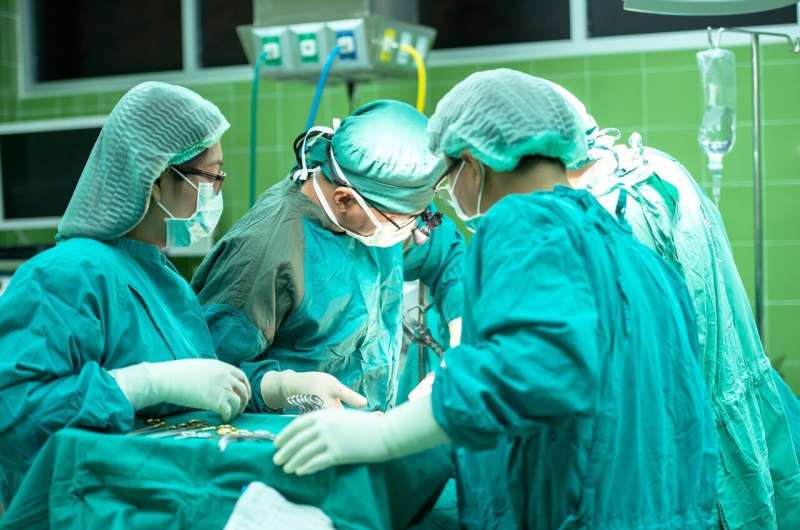
Continuing advanced therapies before elective Crohn's surgery may reduce serious complications
Crohn's disease is a long-term condition that causes swelling in the digestive tract. A new study found that patients who keep taking advanced drugs, such as biologics and small-molecule drugs, before planned bowel surgery may have fewer serious problems afterward. These problems include anastomotic leaks, where a join between two parts of the bowel opens, and infections in the surgery area. The study was published in the Journal of the American College of Surgeons.

This simple habit is linked to a 33% lower risk of Alzheimer's
Reading for fun may help the brain in many ways. Studies link it to better memory, less stress, and better mental health. Researchers say five minutes of fiction can cut stress by up to 20%. Reading has also been linked to a 33% lower risk of Alzheimer's disease, a common brain illness that affects memory.
GB's Davis Cup-winning captain ends 17-year stint
Leon Smith has ended his 17-year run as captain of Britain's men's tennis team. He helped lead the team to win the Davis Cup, the sport's top team trophy. It was the first win for Britain in 79 years. Smith calls it one of the proudest moments of his career.

Protected: Helping nature-positive tourism take off in Bulgaria’s Rhodope Mountains
Rewilding Europe is working to make tourism in Bulgaria's Rhodope Mountains better for nature. Small local businesses are being supported to offer nature-friendly trips. The goal is to help both wildlife and the people who live there. The full article is password-protected, so only the public teaser was available.
BRAZIL: Gov’t advances on land demarcation in nod to indigenous activists
Brazil's President Luiz Inácio Lula da Silva met Kayapó chief Raoni Metuktire, a well-known defender of nature and human rights. At a ceremony, the government moved forward on officially marking out the Indigenous land where Raoni was born. The step is seen as Lula thanking Indigenous groups that backed his election campaign this year.
“Everyone is Talking About You” – Some People, a cultural centre at the frontline of war - EU NEIGHBOURS east
Some People is a cultural centre in Kharkiv, a city in northeastern Ukraine near the front line of the war. Its work has drawn attention from well-known figures in European culture. This August, the Tresor Academy, linked to Berlin's famous Tresor club, held a three-day program with the centre. Leading European culture managers worked with young Ukrainians from across the country.
Brazil's Lula advances legal protection of Indigenous land during visit to Amazon leader Raoni
Brazil's Justice Ministry has formally recognized the permanent possession of the Kapot Nhinore Indigenous Territory. The land belongs to the Mebengokre-Kayapo and Yudja-Juruna peoples. The move was announced during President Lula's visit with Amazon leader Raoni. It gives the communities legal protection for their home in the Amazon.
What went right this week: China's emissions shrank, plus more - Positive News - Positive News
China's carbon emissions shrank by 3.1% in the third quarter of 2026. Carbon Brief, a climate reporting website, found the drop came mainly from people and factories using less coal and oil. Carbon emissions are the gases that heat the planet. This is a big step for the world's largest emitter.
Kenya’s Edna Karijo Wins Women In Tech Leadership Award : TechMoran
Edna Karijo, an associate director at eMobilis Technology Training Institute in Kenya, has won a Women in Tech Leadership Award. The honour was presented at the Africa Tech Festival. It recognises her leadership in technology training and her role in supporting women in the field.

Galactic shock: Discovery challenges our understanding of the Milky Way's structure
A PhD student at the University of Sydney has found evidence that the Milky Way is unusual. Its new stars are born in a different way than in nearby galaxies. Scientists had assumed our galaxy was typical, so this finding changes how they see its structure.

A two-layer flat lens uses nanoscale pillars to guard against unwanted reflections
Harvard researchers at the John A. Paulson School of Engineering and Applied Sciences built a new kind of flat lens. It uses tiny pillars, each far thinner than a human hair, on a flat surface. The lens has a built-in coating that stops unwanted reflections. This could help flat lenses move into real products like cameras and sensors.

Changes in the heart's electrical signals anticipate the most severe arrhythmias in heart failure patients
Heart failure patients with implanted defibrillators send out a lot of electrical data. Scientists found that tiny shifts in these signals can appear before severe irregular heartbeats. Because the data can be checked remotely, doctors may be able to warn patients early.

New pancreatic cancer drug hailed as ‘closest thing to a cure’ | The Independent
A new drug called daraxonrasib was tested in patients with pancreatic cancer. When combined with chemotherapy, more patients were still alive after one year than with standard treatment. The results were presented at a meeting in Barcelona, Spain. Experts are calling it a major step forward for a disease that is hard to treat.
Pill to treat pancreatic cancer hailed as ‘biggest breakthrough in decades’
A pill called daraxonrasib is being called the biggest breakthrough for pancreatic cancer in decades. In a trial of 61 patients with advanced disease, tumours stopped growing in almost all of them. In about one in 12 patients, the cancer became undetectable on scans. Doctors say it is not a cure yet, but it may give patients more time.

For better mental health, how often you exercise may matter more than how hard
A study followed more than 10,000 college students. It found that how often people exercise may matter more than how hard they push themselves. Students who exercised less often were more likely to have depression and anxiety a year later. The results suggest that steady, regular movement could help protect mental well-being.
Commission greenlights Greece's final payment requests for €11.32 billion under NextGenerationEU
The European Commission has approved Greece's eighth and ninth payment requests. Together they total €11.32 billion. The money comes from the Recovery and Resilience Facility, the main part of NextGenerationEU, an EU fund built to help countries recover and grow after the COVID-19 crisis. The approval means Greece can receive funds for reforms and projects it has completed.