Latest News
Positive stories from around the world · Good news by country
Showing 1009–1032 of 37346 articles

Wearable heart monitor moves from lab to clinical trial
A new heart monitor is now being tested at a clinic in Australia. It is a small, waterproof patch that sticks to the skin and needs no gel. It tracks the heart's rhythm for up to 14 days and gives doctors the same detailed data as a standard hospital heart test. The device was first invented at RMIT University and is being developed by the startup Lubdub.

New mondo grass species found in Yunnan
Botanists have described a new plant species in southeastern China's Yunnan province. It is a type of mondo grass, found in the Wenshan National Nature Reserve. Scientists named it Ophiopogon longiscapus because its flowering stalk is unusually long.

A long-buried ancient library in Rome opens to the public after restoration - OPB
An ancient library in Rome, buried for centuries, has been restored after careful work. It is reopening to the public this week. The Alexandria Library in Egypt was lost long ago, but this Roman site survives as one of the ancient world's places for texts. Visitors can now see it up close.
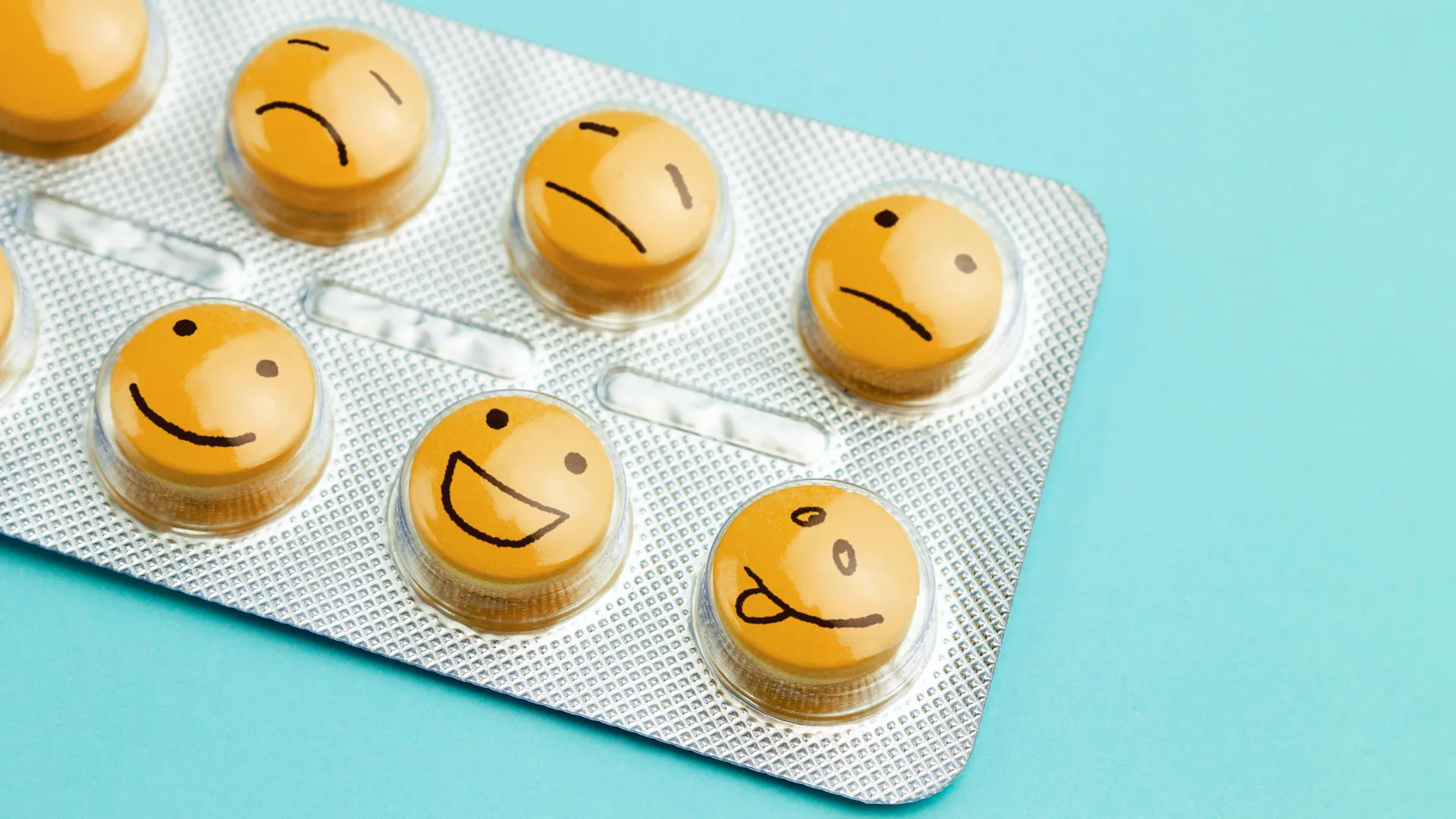
A study of 30,000 people reveals which antidepressants may work best
A major review covering more than 30,000 people looked at many antidepressant medicines. Three of them, including Lexapro and Cymbalta, may work better than Prozac at keeping depression symptoms improved. The researchers warn that the studies had limits. They also lack long-term data, so no single best antidepressant can be named yet.

A long-buried ancient library in Rome opens to the public after restoration
A long-buried ancient library in Rome has been restored. It reopens to the public this week. The story compares it to the famed Library of Alexandria in Egypt, which was lost long ago. Visitors can now see this old place where ancient texts were kept.
Massive hope for pancreatic cancer pill after trial saw tumours vanish
A new pill treatment for pancreatic cancer, a very hard-to-treat disease, has shown promising results in a clinical trial. In some patients, tumours disappeared. Prof Elena Garralda says the combined treatment could help patients live longer and delay tumour regrowth. The results are being presented to doctors at the EORTC–NCI–AACR Symposium 2026.

Anti-inflammatory peptide shows potential to prevent diabetes-related vision loss
Scientists from Brazil and the United States tested a small molecule called the Ac2-26 peptide. It is made from a protein that the human body naturally produces to calm inflammation. In lab-grown mini retinas, the peptide reduced damage and kept nerve cells alive despite high blood sugar. The results point to a new way to prevent diabetic eye disease, though more testing is needed.

NEPTUNE poised to replace Navy's global weather model, improving forecasts over open ocean
The U.S. Naval Research Laboratory built NEPTUNE, a new weather prediction system for the Navy. It will replace the Navy's older global forecast model, which covers the whole planet. Tests showed better forecasts of temperature, moisture and wind over the open ocean. The system will run at the Fleet Numerical Meteorology and Oceanography Center in Monterey, California.

Putting Google's AI hurricane model to the test
A new study checked Google's AI hurricane model against 385 tropical storms worldwide. The AI was more accurate than NOAA's top model at every point from one to five days ahead. It also rarely raised false alarms about storms suddenly getting stronger, though it tends to underestimate peak strength.

Improved blood test offers less invasive way to detect Alzheimer's disease
Researchers at Lund University in Sweden have improved blood tests for Alzheimer's disease. The tests now work about as accurately as spinal fluid tests, which have been the standard for years. The blood test is approved for use in Europe, the U.S. and Japan. Doctors may soon use it more often, so patients can skip the painful spinal tap.

Q&A: Making hydrogen peroxide without using precious metals
Hydrogen peroxide is a common chemical used in cleaning, paper making, and many factories. The world makes several million tons of it every year. Today, most of it is made using rare and costly precious metals. Chemists from Rutgers University in the US and the University of Bonn in Germany described a new method that skips these metals. Their work was published in the journal Nature Communications.
Experimental compound burns fat without sacrificing muscle
Researchers at UC Berkeley found a compound that could offer a new way to treat weight loss. Unlike Ozempic and Wegovy, it helps the body burn more energy instead of blocking hunger. In mice, it raised energy use by up to 18%, improved blood sugar, and reduced liver fat. Combined with GLP-1 drugs, it worked even better than either alone.

Mercury-bound X-ray telescope delivers first images after eight years in space
A British-built X-ray instrument aboard the BepiColombo spacecraft has sent back its first data. BepiColombo is a joint mission by Europe's ESA and Japan's JAXA, traveling to Mercury. The instrument observed one of the brightest X-ray sources in the sky, after eight years in space.

CAR-T therapy helps stiff person syndrome patients walk and work again
Stiff person syndrome is a rare disease where the immune system attacks the nervous system. In an early trial led by Mayo Clinic, patients received one round of CAR-T cell therapy, a treatment first built for blood cancers. Several patients regained enough strength to return to work, exercise, and hobbies. The study is small, so larger trials are needed to see if the gains last.

How the brain builds the present through the lens of the past
Neuroscientists at SISSA in Italy studied why the same sensation can feel different depending on what came before it. They found that a frontal area of the brain keeps a memory trace of recent sensory events. This area then combines that memory with current input to shape what we perceive. The study was published in Science Advances.
Lifting weights reduces muscle loss from obesity drugs
Obesity drugs can cause people to lose muscle along with fat. Lifting weights may help middle-aged and older adults keep their muscle and strength during treatment. This could make weight-loss care safer and healthier.
Author Correction: SARS-CoV-2 mRNA vaccines sensitize tumours to immune checkpoint blockade
This is an author correction to a Nature study on COVID-19 mRNA vaccines. The original study found that these vaccines can make tumours more responsive to immune checkpoint blockade, a type of cancer treatment that helps the immune system fight cancer. The correction was published online on 20 November 2026 to update the paper's record.
‘I had felt overconfident’: senior scientists reveal mistakes that aided discovery
Five experienced researchers, including a Nobel prizewinner, look back at their career missteps. They talk about dead ends, lab accidents, and times they were too sure of themselves. Their stories show how errors can push science forward.
Briefing Chat: Voyager 1 is now one ‘light day’ from Earth — setting a cosmic record
NASA's Voyager 1 spacecraft is now one light day away from Earth. That means radio signals from it take a full day to reach us. It is the farthest human-made object from our planet. The article also covers how vampire bats survive on a diet of only blood.
These gaps in weather data affect forecasts everywhere: plugging them is not charity
Many low-income countries have too few weather stations and sensors. This leaves gaps in the data that global forecasts depend on. Filling these gaps would make forecasts more accurate for the whole world. The article argues this is a smart investment, not just charity.
Daily briefing: Older people are staying sharp for longer
Nature's daily briefing reports that older people are staying mentally sharp for longer. The idea of being "old" is changing as people live longer and healthier lives. The briefing also covers the first sighting of a giant star swallowing a nearby star. Flies are praised for their skill at pollinating plants.
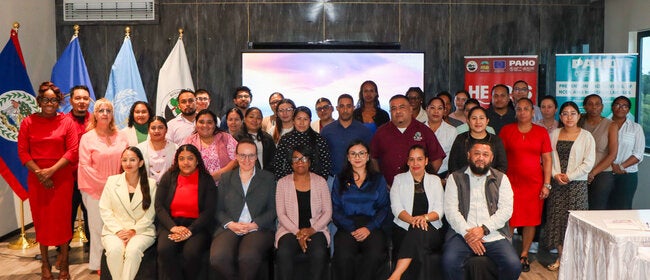
Belize Advances the Better Care for Non-communicable Diseases Initiative Through Expansion of the HEARTS Initiative - PAHO/WHO | Pan American Health Organization
Belize is expanding the HEARTS initiative, a program that helps primary health workers prevent and treat heart disease and other non-communicable diseases. These are long-lasting illnesses such as diabetes and high blood pressure. The Ministry of Health and Wellness is leading the work under the Better Care for NCDs initiative, supported by the Pan American Health Organization.

'PAC-MAN' capsules that gobble up particles in turbulent water show promise for filtration and drug delivery
Scientists built tiny hollow capsules that have just one opening. The capsules use the swirling motion of turbulent water to pick out certain particles. At times, they pull particles inside, much like the PAC-MAN video game character eating dots. The team says this could help with water filtering and with delivering medicine into the body.

Seasonal mass vaccination with R21 malaria vaccine effective in reducing malaria infection
Giving the R21 malaria vaccine to whole communities before the rainy season can cut the chance of infection by up to 70%. The new study was published in The Lancet, a major medical journal. The vaccine works alongside existing tools like bed nets and medicines. Malaria is spread by mosquitoes and is a leading killer of young children.