Latest News
Positive stories from around the world · Good news by country
Showing 1969–1992 of 37356 articles

Research advances quantum computing that harnesses speed of light
Purdue University engineers have found new ways to fix major problems in building quantum photonic chips. These chips use particles of light, called photons, as the basic units of quantum computers. Their new method emits exactly one photon at room temperature from dozens of spots on a silicon nitride chip. Older methods made single photons unreliably and with low efficiency.

Automated assembly in space is the future and NOM4D is showing the way
A new program called NOM4D has shown that robots can build large structures in space by themselves. In a test, a gantry robot, which moves along straight lines, joined small truss parts into a larger frame. It also attached a thin reflective mesh, like one an antenna might use. The program's leader says this could one day lead to structures hundreds of meters or kilometers wide.

Broad genomic testing linked to longer survival in advanced lung cancer, according to new study
Doctors tested patients with advanced non-small cell lung cancer for dozens or hundreds of genes before starting treatment. Those patients lived longer than patients who had tests for only one or two genes. The results were reported in a new study in the Journal of the National Comprehensive Cancer Network. The test is called broad genomic sequencing.
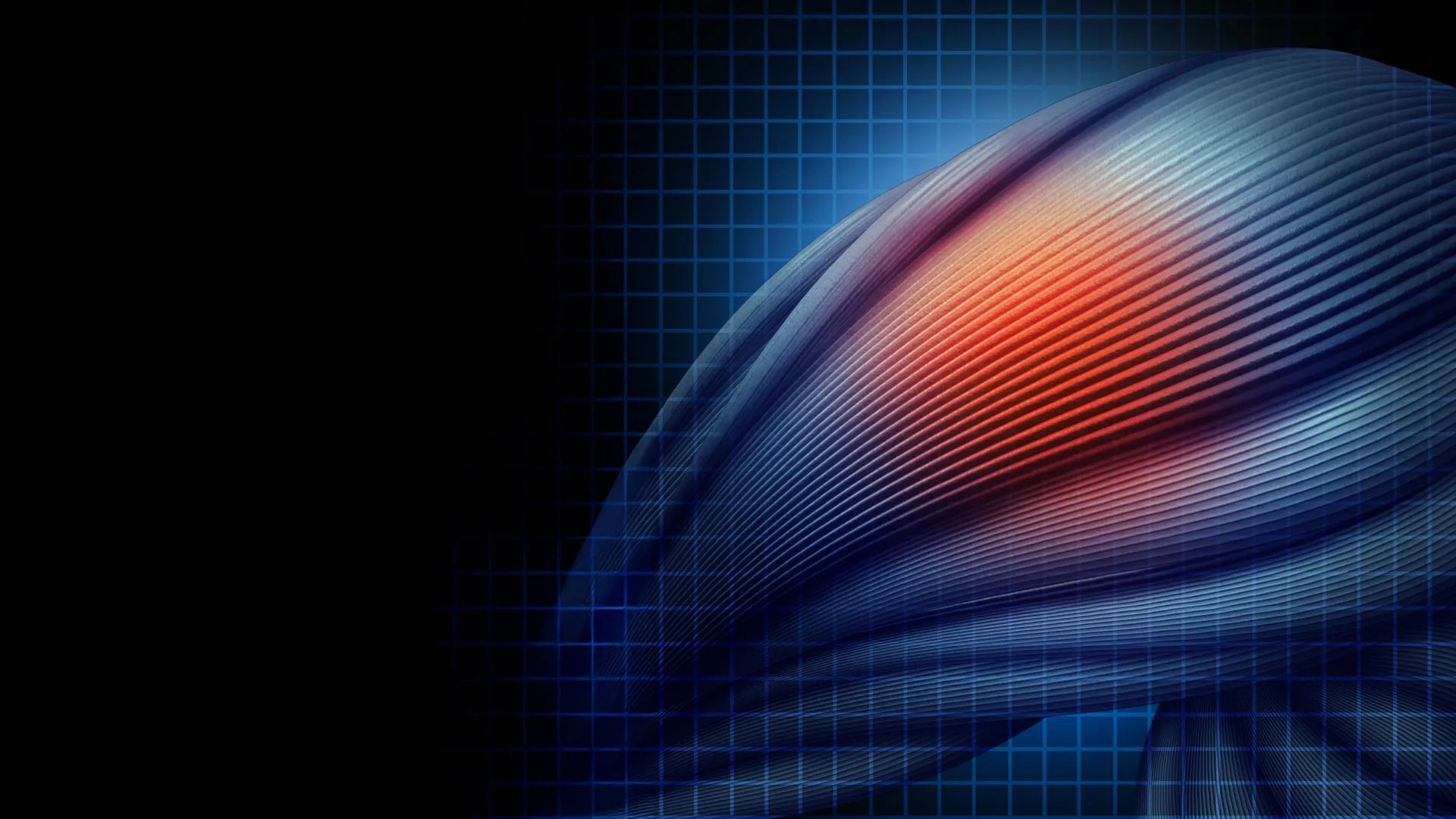
Without this protein, damaged muscle fills with fat and scar tissue
Researchers found a new job for a protein called TRF2. It is known for protecting chromosomes, the packages of DNA inside our cells. TRF2 also helps muscle stem cells keep their identity and repair injured muscle. When mice lacked the protein, their muscles struggled to heal and muscular dystrophy got worse much faster.

Vision and interferometry improve calibration of large monolithic mirrors
Researchers at the Changchun Institute of Optics, Fine Mechanics and Physics in China developed a new calibration method. It combines machine vision, which uses cameras to see objects, with interferometry, which uses light waves to measure very small differences. The method separates a mirror's fixed internal offset from shifts in how the test is aligned. This helps make large mirrors measured more accurately, which matters for telescopes and precision optics.
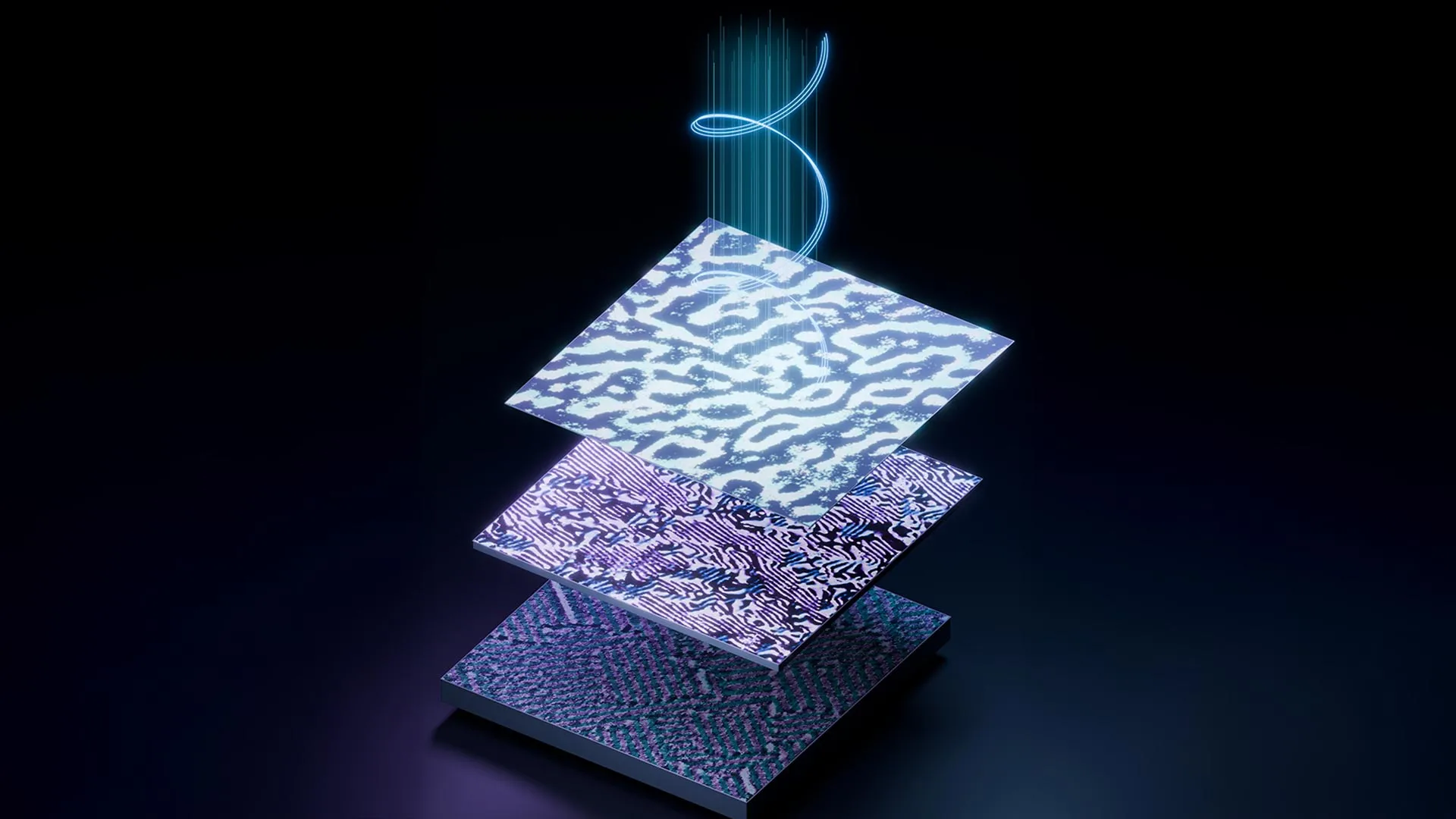
A breakthrough in magnetism could make AI chips use dramatically less energy
Researchers at Brown University in the United States have solved a major problem with ultra-thin materials. These materials often stop working when made extremely thin, a problem called the "dead layer." The new method keeps their electrical and magnetic properties even at nearly atomic thickness, and even boosts their magnetism. This could help build low-power computer chips that cut the huge energy use of AI.

Infant mortality falls by 16% in some of England's most deprived areas, new national data show
Infant deaths in England fell in the year to March 2026, according to new data from the National Child Mortality Database. The infant mortality rate dropped from 3.8 to 3.5 deaths per 1,000 live births. The biggest drops were in the South West, West Midlands and East Midlands. Doctors credit a care plan for premature babies, called PERIPrem, that was rolled out in those areas.
Infosys Prize 2026: Six researchers honoured for their pathbreaking work | Bengaluru News - The Times of India
Six researchers received the 2026 Infosys Prize, each winning $100,000. The awards cover economics, engineering, humanities, life sciences, mathematics, and physical sciences. The winners were recognised for breakthroughs in climate, law, and quantum technology.

Early signs of stock market instability may appear in how traders place orders
Researchers from The University of Tokyo and Rikkyo University tested a math theory on Tokyo Stock Exchange order data. The theory was first built to spot a warning state before disease. Changes in groups of traders sometimes rose before unstable market days, before price changes showed it. The method cannot yet predict sharp price moves accurately, but it may help build an early warning system.

Molecular mapping of 8 million cells brings cerebral architecture into focus
A team at the University of California, Irvine mapped about 8 million cells in deep parts of the human brain. They identified 60 distinct cell types and showed how they form communities. The map gives researchers a reference for studying brain systems affected by Parkinson's and Huntington's diseases, as well as other disorders.

Magnetic nanoparticles cut adhesive curing from 24 hours to one in laboratory tests
Scientists at Nanyang Technological University in Singapore and Motherson, a global auto parts supplier, are working on a new way to dry and harden industrial coatings. The method, called Spinheat, mixes tiny magnetic particles into paints, glues and resins. A magnetic field heats them from inside, so the whole part does not need to sit in an oven. In lab tests, glue cured this way for one hour bonded about as well as glue cured in an oven for 24 hours.

Cancer vaccines show promise for treatment and prevention
After more than 30 years of research, cancer vaccines are showing stronger evidence as a treatment. A landmark phase 3 trial found that a personalized vaccine for melanoma improved outcomes. Johns Hopkins Sidney Kimmel Comprehensive Cancer Center in Baltimore was one of the study sites. The story also notes the promise of vaccines for cancer prevention, but gives no trial details.

Robotic tools help unlock the hidden microbial world of the deep sea
Less than 1% of deep-sea microbes can be grown using usual lab methods. Sudden changes in pressure and temperature often kill them when samples reach the surface. Researchers built DISCUSS, a robotic system that keeps the deep-sea conditions steady from the ocean floor to the lab. Tested on samples from a cold seep 1,300 meters down, it helped them recover 34 microbe strains.

The Marianas – where a people fight back
Indigenous Chamorro people in the Mariana Islands are relearning their language, fino' håya, and practicing traditional music and chants called lålai. They believe these practices help restore balance between people and the natural world. Gi Matan Guma' has teamed up with the Micronesia Climate Change Alliance on The Åmot Walk, bringing this cultural work to the front lines of environmental action.

Key brain area reveals distinct zones whose boundaries blur with age
Researchers at the Broad Institute charted hidden patterns in the striatum, a brain area linked to movement and decision-making. They identified six zones based on how genes are active in cells. The borders between the zones become less distinct with age. The findings may help explain how this brain region changes in health and disease.

Using AI to predict how bioplastics behave under heat
Researchers at the Agricultural University of Athens built computer models that predict how bioplastics called PHB and PHBV behave when heated. PHB is made by bacteria instead of oil, but it is brittle and breaks down easily when melted. The models used 572 data points and could explain about 82% of the differences in melting temperature. The team shared its data and code openly so others can design better bioplastics.

Earth's orbital asymmetries share recurring rhythms with El Niño, study finds
A new study suggests that El Niño, a warming of Pacific Ocean waters, may follow a steady beat set by Earth's orbit. The researcher studied 78 years of climate records from 1948 to 2025. Three different math methods all found the same repeating timescales. The author says the pattern is not just random, but notes that more testing is needed.

Engineered atomic interactions help microwave sensor capture three times as much information
Researchers at the University of Warsaw and CeNT UW built a very sensitive microwave detector. It uses cold, giant atoms called Rydberg atoms. By carefully setting how the atoms interact, the team kept the atoms from losing their state. The measurement gathered three times more information than before, which could help quantum computers and communication.

How two Princeton graduates built the world’s first microplastics removal system
For decades, wastewater treatment plants have removed bacteria and chemicals from water, but microplastics passed straight through. A plant in Atlantic City, New Jersey, has now installed a system made specifically to catch these tiny plastic pieces. It is reported to be the first of its kind in the world. No law requires plants to do this yet.

Experimental blood test detects early breast cancer and predicts recurrence
Liquid biopsies look for traces of cancer in the blood. Researchers are testing whether one can spot breast cancer early and predict recurrence, which could help guide treatment. The excerpt does not name the researchers, give study results, or identify a location.
This AI ‘mechanic’ can peer inside the black box of other neural networks
Researchers have built an AI tool that can look inside other neural networks. Neural networks are the systems behind many AI programs, and they often work like a black box. This new tool can find specific parts that cause problems and help fix them. The work could make AI safer and more useful for everyone.
Daily briefing: Huge basal ganglia atlas could transform brain health
Scientists have released a huge map of the basal ganglia, a deep part of the brain that helps control movement and habits. The atlas includes data from more than 25 million cells. Researchers hope it will help them understand diseases such as Parkinson's and improve brain health.
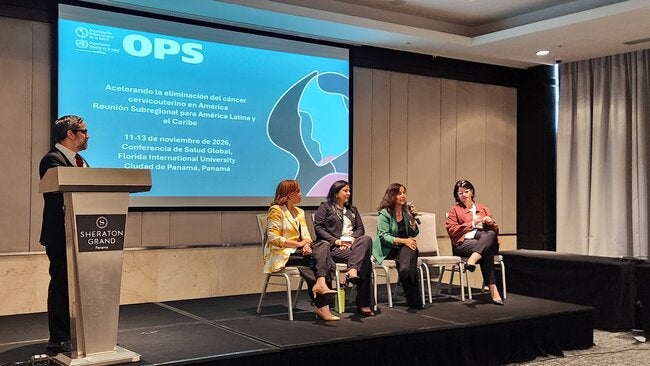
Latin American countries strengthen vaccination, screening, and access to technologies to achieve the elimination of cervical cancer - PAHO/WHO | Pan American Health Organization
Representatives from 18 Latin American and Caribbean countries met in Panama City this week. They focused on cervical cancer prevention. The plan includes more HPV screening and higher HPV vaccine coverage. Countries also want wider access to vaccines and tests through the PAHO Revolving Fund, a shared buying system.

A surprising brain difference may explain why some kids struggle with math
Stanford researchers studied children who struggle with math over a long time. These children were slower to switch strategies and less able to improve how they solved problems. Distinct patterns of brain activity were linked to these difficulties and could even predict some math skills. The work may help future teaching and support for kids with dyscalculia.