Latest News
Positive stories from around the world · Good news by country
Showing 1945–1968 of 37356 articles
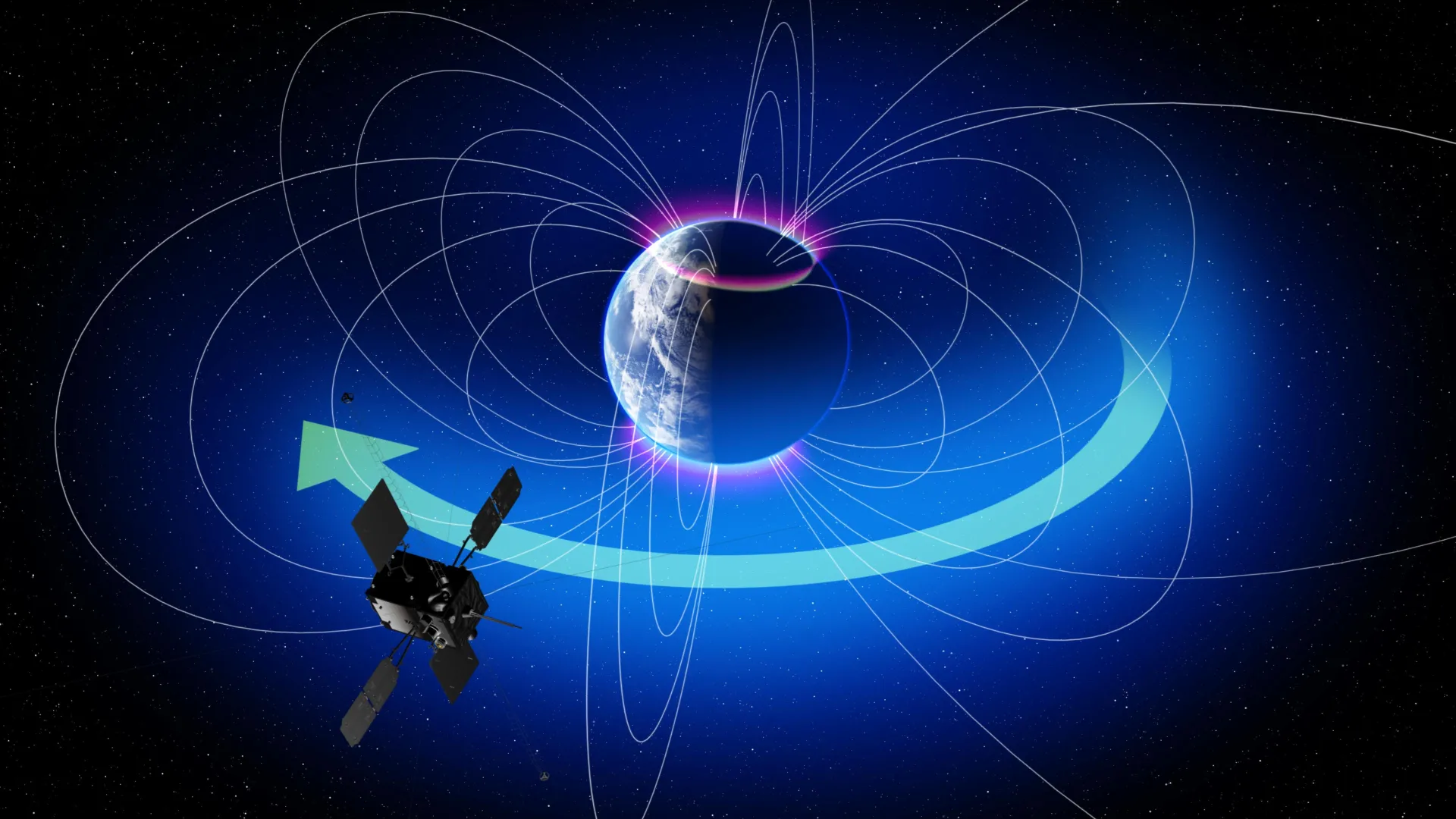
The Sun unleashed a monster storm. Earth may have made it worse
In May 2024, a huge solar storm lit up skies far from the poles. Scientists then measured the particles that fed the storm's magnetic disturbance around Earth. Most came from Earth's own upper atmosphere, not from the Sun. This may help explain why some storms become so strong.

The affordability election delivered billions for public transit
Voters across the United States backed public transit in the November 3 election. 22 of 27 ballot measures passed, bringing $27.4 billion for buses, trains, and subways. San Francisco Bay Area voters helped stop big cuts to Bay Area Rapid Transit. Experts say the vote shows people will pay for better transit.

An iconic puzzle comes home as production of the Rubik's Cube returns to Hungary
The Rubik's Cube was invented by a Hungarian architect, sculptor and professor more than half a century ago. Its colorful six-sided design has become one of the world's most loved puzzles. Now, production of the cube is returning to Hungary. The article does not give details on factory size or job numbers.
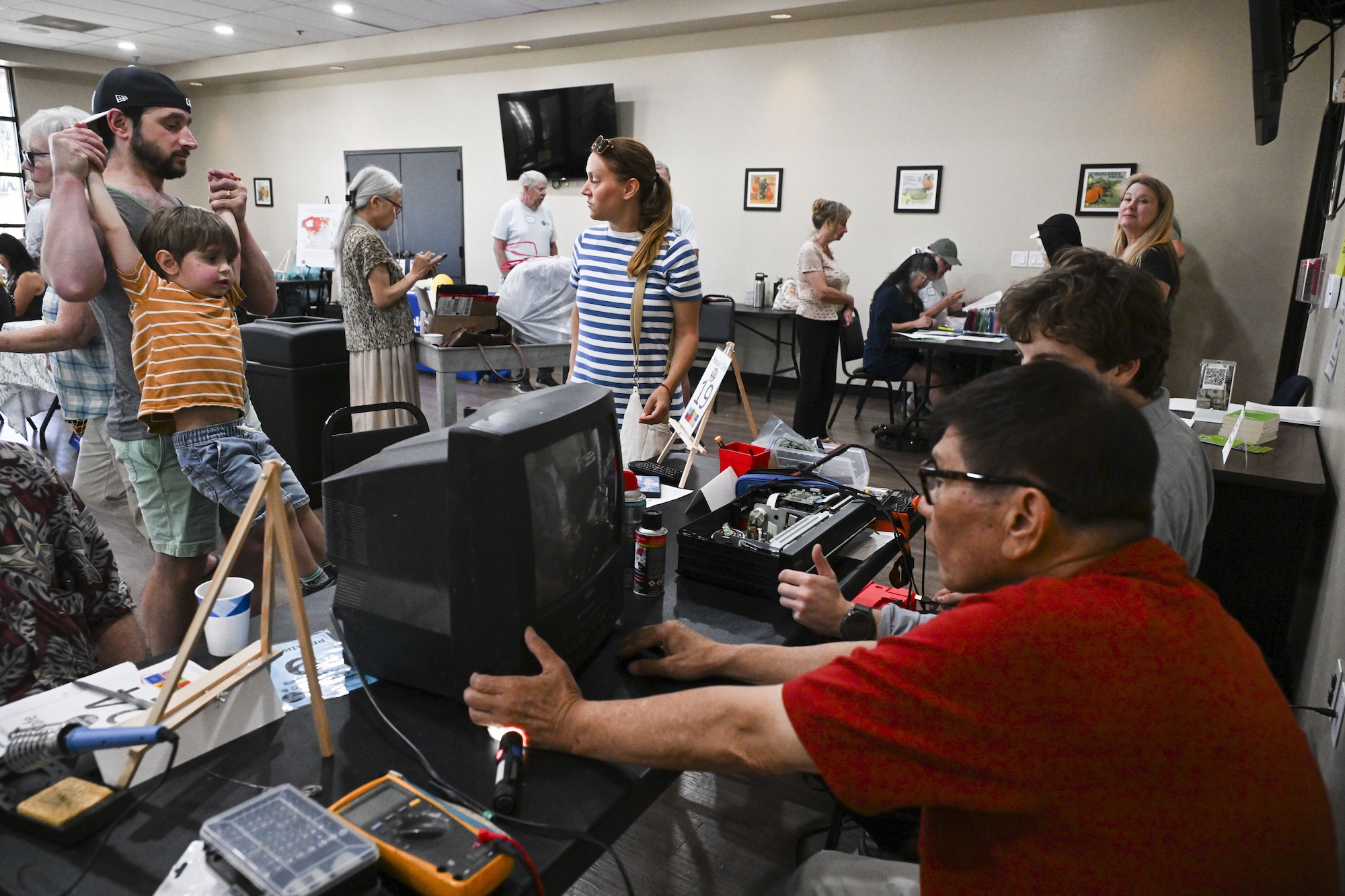
The cozy radicalism of repair cafés
On a cool, rainy Saturday in Decatur, Georgia, volunteers fixed broken lamps, furniture, and electronics for free. The event is one of a few hundred repair cafés across the United States. Organizers say these meetups cut waste and help fight climate change. They also push back against companies that want people to replace things instead of fixing them.

Machine-learning models accurately predict mortality after a heart attack
Computer models that learn from data were able to predict deaths after a type of heart attack. They predicted deaths both in the hospital and in the six months after. The results were shared at the ESC Digital & AI Summit 2026. Doctors could use tools like this to spot high-risk patients sooner.
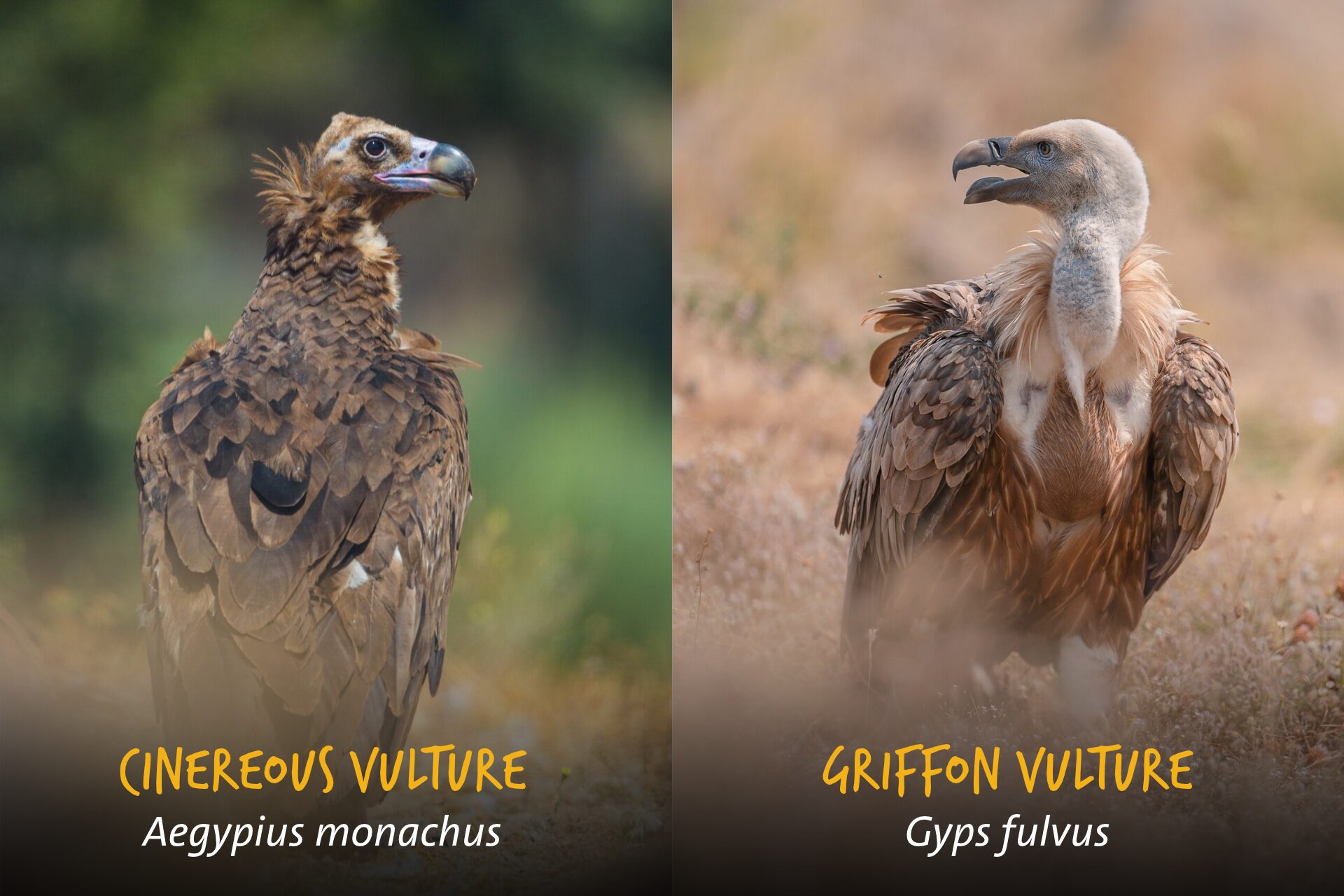
Protected: Vultures set to reforge the circle of life in the Southern Carpathians
Vultures are set to return to the Southern Carpathian mountains in Romania. These birds eat dead animals and help keep the land healthy. Rewilding Europe is working on this project to restore the natural circle of life. The article is based on a protected post, so only the title and source were available.

Brazilian man in Japan brings love, hope and respect to homeless people - The Mainichi
A Brazilian man living in Japan organized volunteers to help homeless people. Over more than three hours, they handed out about 70 boxed meals. The volunteers also talked with people, greeted them with smiles, and gave hugs.
Beckham to be inducted into US Soccer Hall of Fame
David Beckham will be inducted into the US National Soccer Hall of Fame. He was chosen on the veterans' ballot, and he said his time in the US has been an incredible journey. Megan Rapinoe and Julie Ertz were also voted in during their first year of eligibility. Both won the Women's World Cup twice with the US, in 2015 and 2019.

In India, volunteers map riverside trees to make a case for urban conservation
Every weekend, residents of Pune, India, walk the riverbanks and map the trees there. The group, Pune River Revival, started in response to the Pune Riverfront Development Project. Their tree records are meant to serve as evidence. The goal is to protect the city's greenery when new construction comes up.
Who makes your Northern Ireland XI against Ukraine?
Northern Ireland's young football team has not let in a goal in four Nations League matches, the only team in the 54-team competition to do so. They are top of League B2 and host Ukraine at Windsor Park in Belfast on Saturday. A win could help them earn promotion to League A. This article is a fan poll asking who should be picked for the side.

Maui Is Becoming a Living Laboratory for Regenerative Tourism
After the deadly August 2023 wildfires destroyed most of Lahaina, residents on Maui are rebuilding in a new way. The island is becoming a test site for regenerative tourism, which aims to leave a place better than it was found. Hotels and local groups are planting trees, adding solar shade, and using Indigenous knowledge. Treecovery is helping families replace the trees they lost in the fires.

Liberia: Nimba Community Celebrates New Seven-Classroom School Funded Through ArcelorMittal Social Development Fund - FrontPageAfrica
Residents of Yokopa and nearby rail communities in Nimba County, Liberia, are celebrating a new school. It has seven classrooms and is a modern building. The project was funded through the ArcelorMittal Social Development Fund, a company-backed fund that supports local communities.

As incidents spike, Sri Lanka identifies 17 tuskers considered at high risk
Sri Lanka's government has named 17 tusker elephants at high risk after the death of Kavantissa, one of the country's best-known wild tuskers. Tuskers are male elephants with large tusks, and they are often targeted by poachers. The army, navy, air force and wildlife department will now work together in a coordinated operation. A new operations center at military headquarters will watch over these elephants.

A small change in risk preference can turn a learning loop into a cycle
Researchers studied a classic way that players learn to make good choices in games. This method, called fictitious play, usually settles on a stable answer in simple games. The team found that if one player weighs risky outcomes differently, the learning can keep cycling instead of settling. They also identified a condition that restores convergence in many games.

A thermostat can save one floor money—and quietly bill the floor above
Engineers often test smart heating controls on just one floor and report the savings. A simulation of a two-story house in West Lafayette, Indiana, showed this can overstate whole-home savings, sometimes by a lot. The team tested a formula that corrects the error using two heat-flow numbers measured before a test begins. The formula matched the true savings in all four cases they tried.
Two grids can predict the same blackout risk—and miss different outages
A new study looks at how power grids measure blackout risk. A common score, called loss-of-load expectation, can look the same for two grids. Yet the grids can differ a lot in how often outages happen and how long they last. Tests on a standard grid model found a 28% difference in outage frequency.
The fastest power source may beat the cheapest one for AI
A new study compares ways to power AI data centers across the continental U.S. It finds that direct-current (DC) solar-plus-storage microgrids cut lifetime energy costs by 18% versus alternating-current (AC) designs. Because they can be built faster, they are the lowest-cost option in 85% of U.S. locations once lost computing time is counted. Speed, not the price per unit of electricity, decides the best path to power.
A reanalysis that keeps seeing storms before satellites did
Scientists studied JRA-3Q, a long-term weather record built from past data. It spots tropical storms about 90% of the time and gives false alarms only 6% of the time. The older ERA5 record was much worse at finding storms before satellites began watching the skies in the late 1970s. JRA-3Q stayed steady across the whole 1979-2024 period.
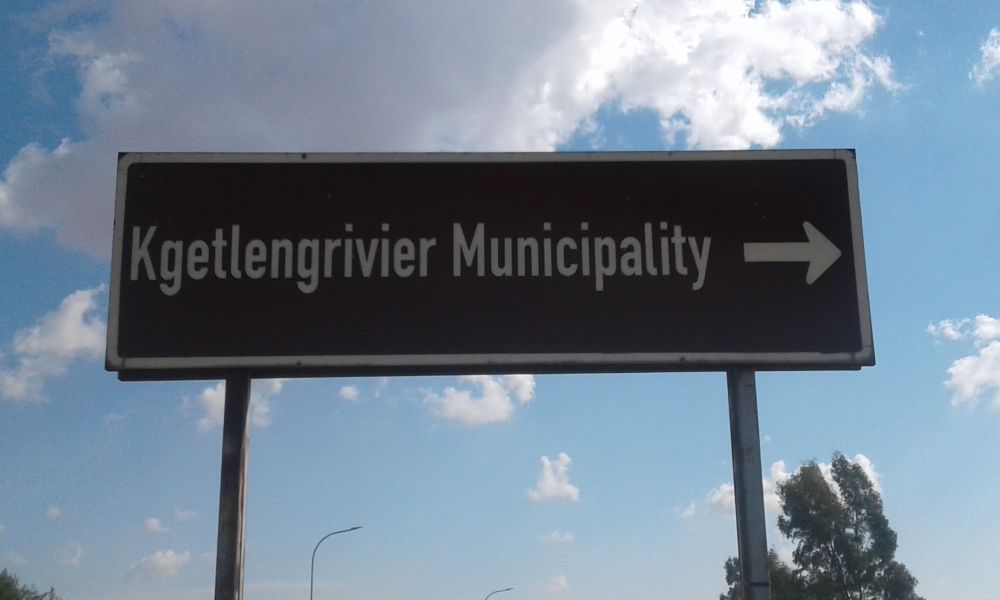
Residents' long fight over sewage crisis ends in major Supreme Court victory
Residents in South Africa have won a long fight over a sewage crisis. The Supreme Court of Appeal set aside a R37.5 million contract. That contract had been given to a utility that was later fired. The ruling is a major win for the community.

Tiny flaws in diamonds could unlock a quantum computing revolution
Scientists at the U.S. Department of Energy's Princeton Plasma Physics Laboratory built a faster way to find useful diamond materials. Diamonds with tiny flaws can hold quantum information, the basic data unit for quantum computers. The new method cuts the work needed to test these flaws by treating a small group of 16 to 30 atoms like a simple molecule. The team already found promising new boron and oxygen flaws that could work as quantum bits.

APOD: 2026 November 13 – NGC 206 and the Star Clouds of Andromeda
NASA's Astronomy Picture of the Day features NGC 206, a large group of young stars. It sits inside the dusty arms of the Andromeda Galaxy, our nearest large galactic neighbor. The image lets people see how stars are born in another galaxy. A light-year is the distance light travels in one year.

A Global Rebound for Mangroves
Mangrove forests, the salty-water trees that line many coasts, are recovering in many parts of the world. NASA Earth Observatory uses satellite images to track this change. The trees protect shorelines, store carbon, and shelter fish and birds. The article shows the recovery happening across several regions.

What is 'food is medicine'? Two experts explain this decades‑old approach to health care that is taking on new life
"Food is medicine" programs give patients healthy food based on a clinician's prescription. The goal is to manage conditions like diabetes, heart disease and high blood pressure while cutting health costs. Researchers in rural northern Mississippi run these programs and report both their benefits and limits. The approach began over 60 years ago, and interest is growing again.

Cervical cancer elimination is in reach—we just need more GP appointments
Cervical cancer is a cancer of the neck of the womb, and it can be prevented. Australia is close to wiping it out. But many people find it hard to book, pay for, and get to a general practice (GP) doctor. The article argues that more GP appointments are needed to reach that goal.