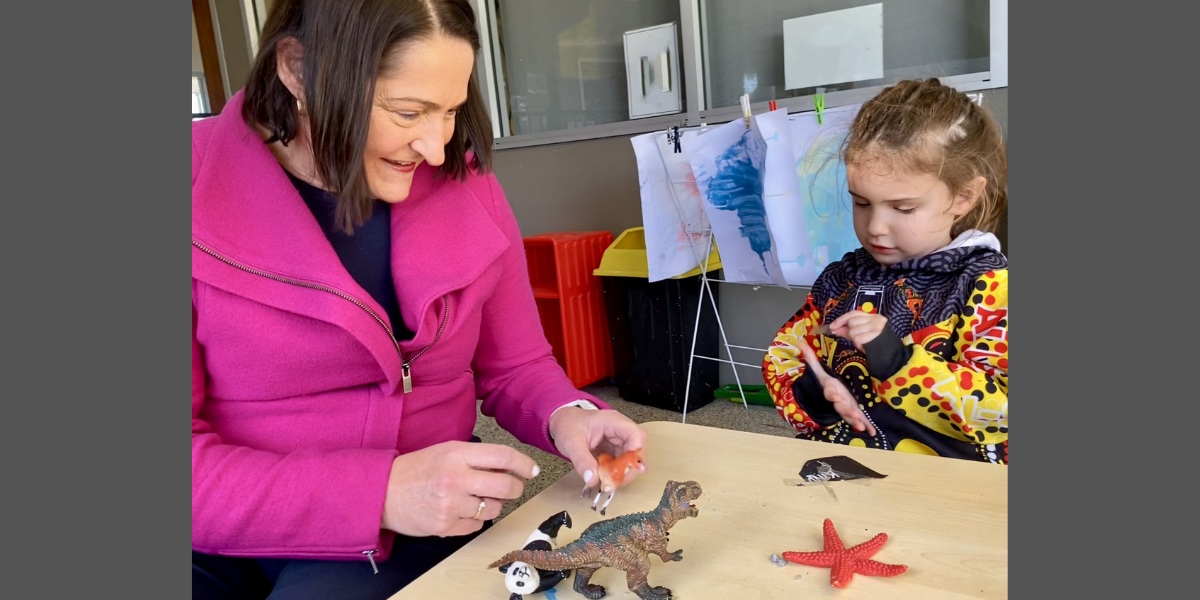
In a classroom in Shoalhaven, New South Wales, a child traces the word gurra—"sun"—in Dharawal, the language of the local Yuin people. Just weeks earlier, the Cullunghutti Aboriginal Child and Family Centre received $179,000 in federal funding to bring that moment to life. Down the road, Waminda is using $250,000 to weave language into song, dance, and storytelling. These aren’t just education programs—they’re acts of reclamation.
Across the globe, Indigenous communities are fighting a quiet but urgent battle: the survival of their languages. Of the world’s 7,000 languages, nearly half are endangered, and many are Indigenous. In the U.S., the Cherokee Nation is down to about 1,500 fluent speakers—most over 70. "We’re filled with this urgency every day," says Chuck Hoskin Jr., Principal Chief of the Cherokee Nation. But there’s hope. In 2010, Cherokee became the first Native American language on the iPhone keyboard. Today, kids watch How to Train Your Dragon dubbed in their ancestral tongue. A baby immersion program ensures some infants’ first words are Cherokee.
Technology is helping, but it’s community leadership that fuels the revival. As CETRA notes, language is more than vocabulary—it’s worldview, history, identity. When a language dies, so does a way of understanding rivers, stars, kinship. That’s why Indigenous women are stepping into the front lines—not just in language, but in water, governance, and economic justice.
On Indigenous Peoples Day, Mongabay spotlighted how Indigenous women lead with creativity, relationship-building, and relentless action in the fight for clean water. Though they make up less than one in three voices in water governance, they are often the ones who bridge communities, design solutions, and hold institutions accountable. Their leadership isn’t new—it’s been there for generations. Now, it’s being recognized.
In Alaska, Sarah Simon stepped down from corporate boards to lead Doyon Foundation’s Alaska Native language revitalization programs, blending workforce development with cultural preservation. Her move reflects a growing trend: Indigenous leadership that refuses to separate economic progress from cultural integrity.
Meanwhile, in Morocco, a different kind of transformation is unfolding. The appointment of Fatima Ezzahra El Mansouri as Prime Minister wasn’t a fluke—it was the result of decades of reform, starting with the overhaul of the Moudawana (Family Code) that expanded women’s legal and economic rights. From the World Cup touchline, where Achraf Hakimi embraced his mother in a viral moment of pride, to the corridors of power, Moroccan women are moving from symbolic recognition to real authority.
And it’s not just about politics. A UMass Amherst study reveals that women managers are far more likely to become CEOs in companies with decentralized structures—where performance is measured by clear, accountable metrics like profit and loss. "It’s clear who has led the unit," says lead researcher Ulya Tsolmon. When results are visible, bias has less room to hide.
These stories—from Shoalhaven to Tahlequah, from Rabat to Fairbanks—are not isolated. They’re threads in a larger tapestry: a global shift where language, leadership, and legacy are being reclaimed by those who’ve long been silenced. The tools vary—federal grants, iPhone keyboards, corporate restructuring, legal reform—but the goal is the same: to ensure that future generations don’t inherit erasure, but empowerment.
The work isn’t finished. Languages still hang by a thread. Women still hold fewer than 10% of S&P 500 CEO roles. But in every child who learns a first word in Dharawal, in every woman who signs a policy in Cherokee, in every mother embraced on a global stage—we see the quiet, unstoppable rise of a more just world.
Sign in to join the conversation.
Comments (0)
No comments yet. Be the first to share your thoughts.