In the tall grass of Kenya's Maasai Mara, ranger Joshua Kijape rides in near silence. There's no engine rumble, no exhaust — just the wind. After a year patrolling on an electric motorcycle, he can slip close to wildlife without disturbance. "And when you are following poachers, they cannot hear you coming," he said.
That quiet bike, charged by solar panels at Entumoto Safari Camp, is a small sign of something enormous happening across the planet. The energy transition isn't just arriving in cities and factories. It's reaching savannas, mountaintops, and pasturelands — and it's working.
The sun is winning
Consider the numbers from Electrek. By the end of the second quarter of 2026, U.S. solar installations had grown large enough to match the electricity use of more than 50 million homes — about one-third of all American households. And 70% of all new power capacity added in the first half of 2026 came from solar and battery storage.
Here's the twist: most of that growth happened in places you might not expect. In the first half of 2026, 71% of all new solar production came from "red" states — Republican-leaning states that backed the current president. Eight of the top 10 states for new installations fit that description. Families, ranchers, and utilities in conservative heartland are choosing solar because it saves money, whatever the politics in Washington say.
Across the ocean, India is writing a similar story. Carbon Brief's analysis found that India's power-sector emissions stayed flat from the first half of 2024 to 2026 — the first time in more than 50 years that the country's coal power saw no growth over a two-year period, even as electricity demand climbed 7%. Clean energy met all of that demand, adding 63 terawatt hours — equivalent to Switzerland's entire electricity use. India added 77 gigawatts of solar in just two years.
From the Mara to the Gulf of Mexico
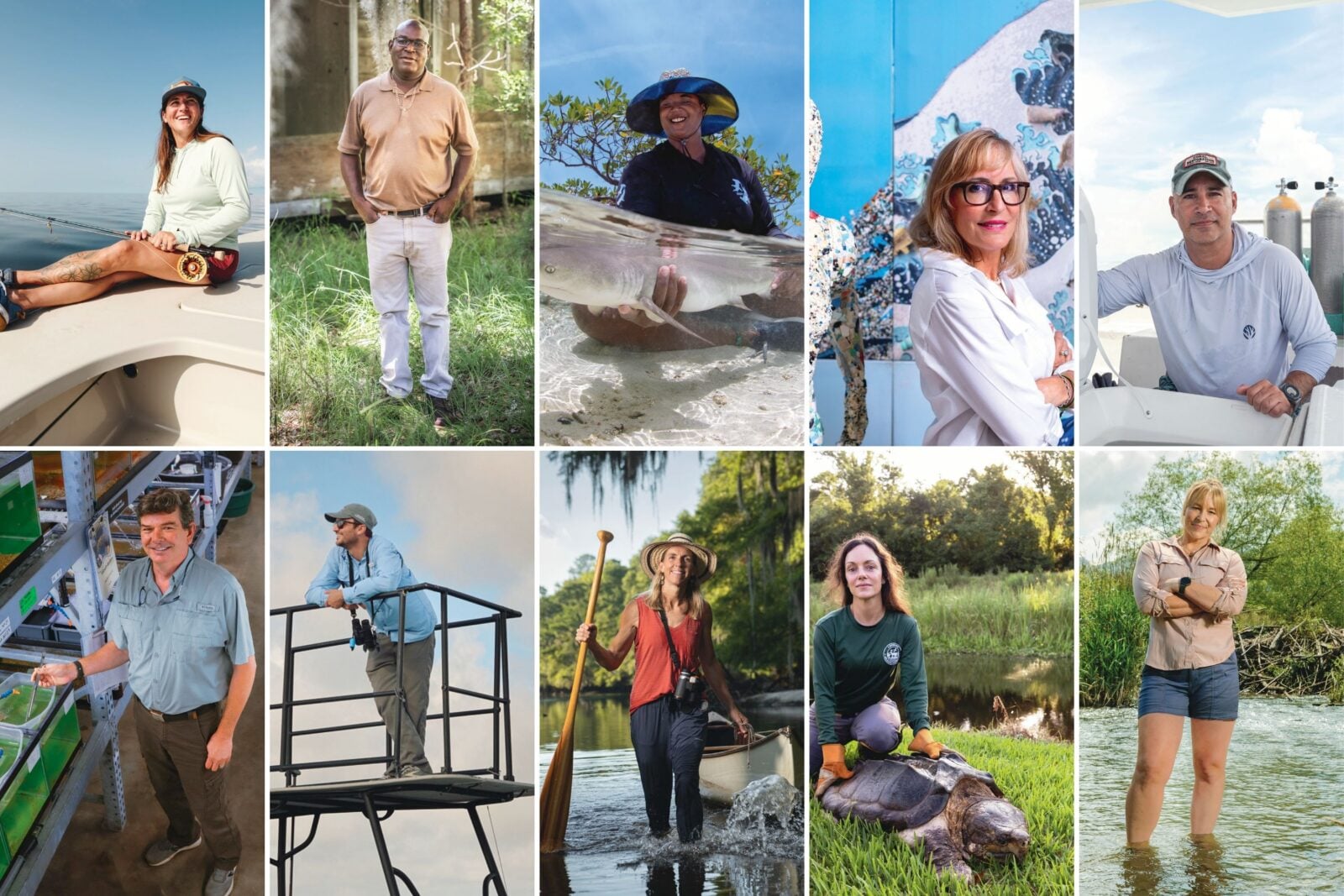
The same momentum is showing up in conservation work. In Florida, Jessica Mailliez dives into the clear waters of the Crystal River National Wildlife Refuge, replanting seagrass meadows that shelter young fish, protect shorelines, and filter pollutants. As an ecologist with Sea & Shoreline, she's turned a love of fishing for tarpon and redfish into a full-time pursuit of underwater restoration.
Meanwhile, in the rural South, farmers like Jennifer — a seventh-generation cattle rancher in Georgia — are leading their own quiet revolution. When Wendell Berry died on Aug. 31, 2026, Jennifer texted researcher Sydney Giacalone: "Wendell Berry passed." Berry, the Kentucky farmer-writer who championed both regenerative farming and Christian faith, inspired more than 70 family farmers and ranchers across the South and Midwest to abandon conventional industrial methods for sustainable, soil-healing ones.
Locking carbon in a wall
Back in Finland, a startup called Elementic is treating the most stubborn waste product of the timber industry — lignin — as its main ingredient. The result is MO6, a wall tile that's 90% carbon by chemistry and stores about 2.4 kilograms of atmospheric carbon per kilogram of material. That's roughly double the carbon storage of wood, and unlike wood, it won't decay. The company says the carbon could stay locked in for thousands of years.
"Like a cake," general manager Johanna Normiala described the process. "We create a kind of dough that we bake."
From a silent motorcycle in the Mara to a carbon-storing tile in Helsinki, from flatlined emissions in India to solar-powered homes across America's heartland, the message is consistent: the transition is happening, it's accelerating, and it's reaching places no one predicted.
Jason Knauf, CEO of The Earthshot Prize, put it plainly while watching the Maasai operation: the energy transition is no longer just a story about urban transport. It's a story about everything.
The quiet in the grass, and the hope in it, belongs to all of us now.
Sign in to join the conversation.
Comments (0)
No comments yet. Be the first to share your thoughts.