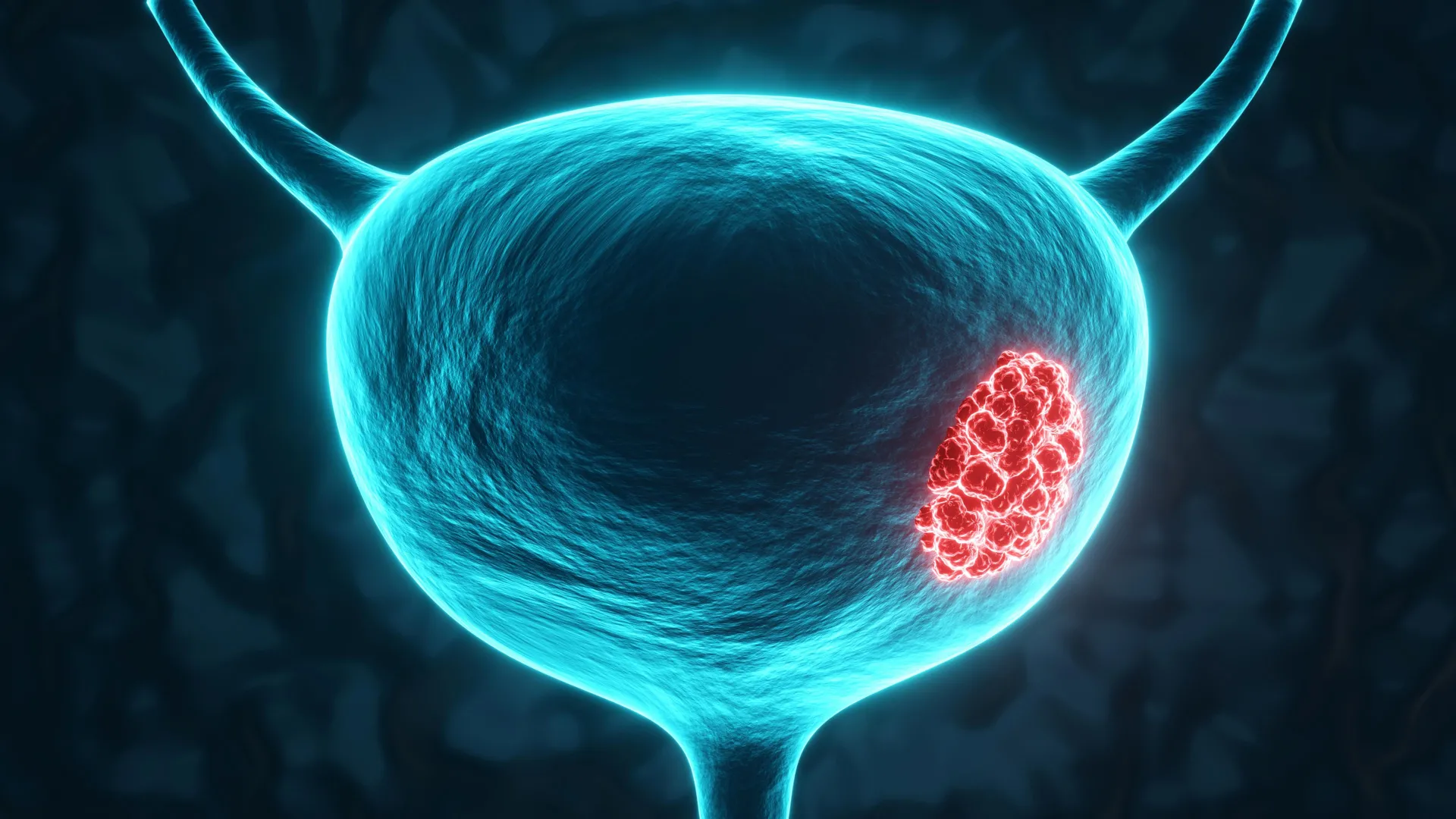
In Plymouth, an AI system combed through 25 years of medical records and found patterns linked to bladder cancer that could appear years before a patient was diagnosed. Some of its clues reached back as far as five years, offering a possible way to spot risk earlier in a disease that can be hard to recognize.
Bladder cancer kills about 220,000 people worldwide each year. Early signs can be easy to miss because they may resemble less serious problems, such as kidney stones. Visible blood in the urine is a key warning sign in current medical referral guidelines, but it can also have noncancerous causes, including prostate conditions. Doctors must often use cystoscopy to confirm the disease. This test uses a thin camera tube passed through the urethra into the bladder, and it is invasive.
A team led by Professor Shang-Ming Zhou at the University of Plymouth's Centre for Health Technology studied records from nearly 70,000 patients, covering 1995 to 2020. They developed an AI model called PRECISE-AGZ to search for patterns across 48,261 possible indicators, from smoking and exercise habits to medication use. It narrowed those down to 38 features that were especially useful for estimating bladder cancer risk.
The model identified 85% of patients who had bladder cancer and correctly classified 91% of those who did not. The researchers said it performed better at detecting the cancer than existing NHS referral guidelines. It showed effective detection as early as 12 months before a formal diagnosis, while some warning signals appeared in records up to five years earlier.
The system picked up known risk factors, including smoking and blood in the urine, but also found associations that need more study. Parkinson's disease and dementia were linked with lower estimated risk, while long-term use of tamoxifen, a breast cancer medicine, was linked with higher risk. These findings do not show that either condition protects against bladder cancer or that tamoxifen causes it. They are clues for future research, not proof of cause and effect.
The role of blood in the urine also appeared to depend on a person's other health conditions. For men with benign prostate enlargement, the symptom was associated with a lower bladder cancer risk. That kind of context may help doctors judge which patients need urgent checks and which might be followed more closely before an invasive procedure.
PRECISE-AGZ also sorted people into three estimated-risk groups: low, below 7%; uncertain, from 7% to 55%; and high, above 55%. If further research confirms the model's reliability, doctors could use such groupings to focus attention on people most likely to have cancer and consider monitoring some uncertain cases before cystoscopy. The researchers' findings point to a practical opportunity: medical records may hold useful warning signs that are already there, waiting to be recognized.