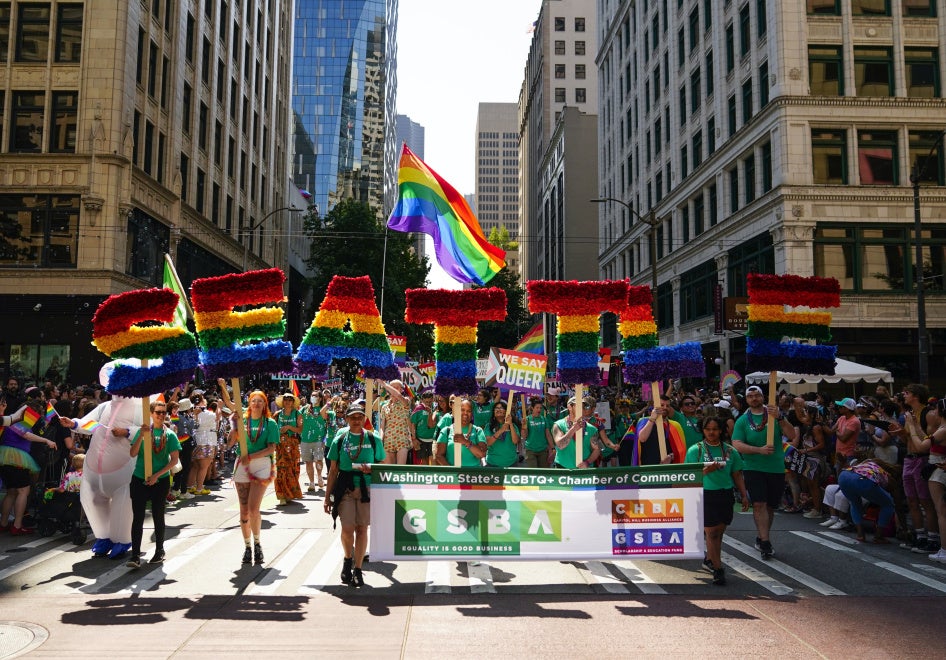
When the Egypt and Iran teams step onto the field at Lumen Field in Seattle, soccer fans will be free to wave the rainbow flag. FIFA confirmed on June 25 that it would allow rainbow flags at the match, despite formal objections from both countries' football federations. It is a decision that human rights advocates are calling long overdue.
The rainbow flag is a symbol of LGBTQ+ pride, representing lesbian, gay, bisexual, and transgender people. Both Cairo and Tehran asked FIFA to ban the flags from the stadium. Human Rights Watch has documented the consequences for LGBTQ+ people in these countries. In Egypt, authorities use a vaguely written "debauchery" law to arrest, prosecute, and sometimes torture people suspected of being LGBTQ+. Iran goes further: its Islamic penal code prescribes punishments ranging from flogging, which experts say constitutes torture, to death sentences for consensual same-sex contact between men.
That context explains why a simple flag feels threatening to these governments. But FIFA pushed back. On June 25, the organization called the tournament "an inclusive event that welcomes people from all backgrounds" and said rainbow flags are permitted under its stadium rules. The Seattle World Cup host city organizers welcomed the decision, saying: "Soccer has a unique power to unite people across borders, cultures, and beliefs. We are honored to host a Pride Match and to celebrate Pride as part of a global football community."
The contrast with the 2022 World Cup in Qatar is striking. There, authorities confiscated rainbow items from fans, detained a journalist over his rainbow t-shirt, and threatened to sanction team captains for wearing a pro-diversity armband. Qatar also has a poor record on LGBTQ+ rights. Since 2016, FIFA has been required by its own statutes to respect internationally recognized human rights. Human rights groups say Seattle's Pride Match Day proves those commitments can actually be honored, when the organization chooses to stand by them.