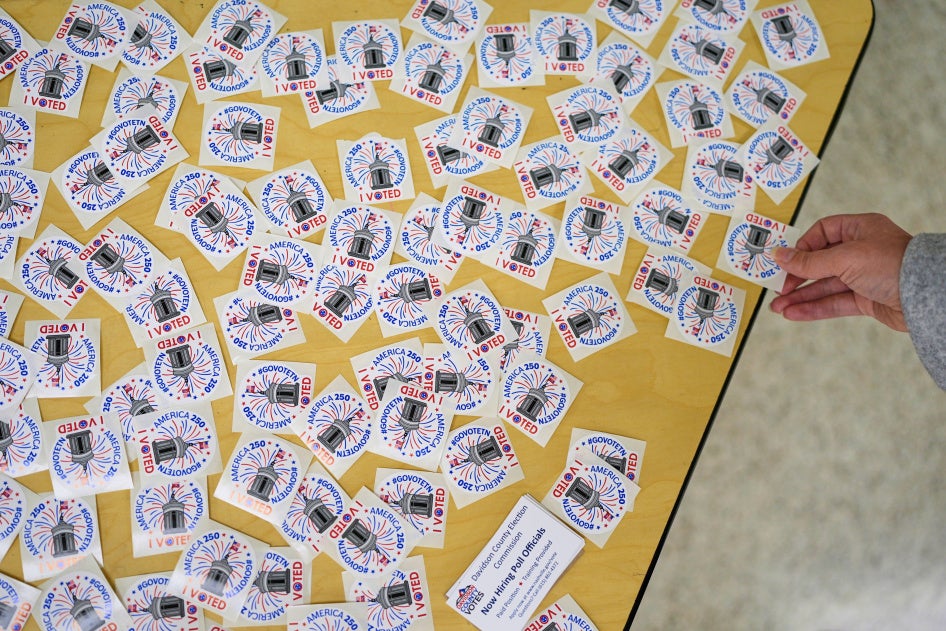
In Virginia, a person leaving prison after a felony conviction will no longer face a lifetime wait to vote: voters approved automatic restoration of voting rights upon release, ending a ban that dated to the Jim Crow era. The change was one of several human rights decisions made on November 3, when US voters cast ballots not only in congressional and governor races but also on state and local measures that will shape daily life for years.
The results were not all in the same direction. In Vermont, voters approved an amendment promising equal protection regardless of race, ethnicity, sex, religion, disability, sexual orientation, gender identity, gender expression or national origin. Virginia voters also approved an amendment formally removing the state’s obsolete ban on same-sex marriage and affirming that two adults may marry regardless of sex, gender or race.
Measures concerning diversity, equity and inclusion in education, jobs, government contracts and administration split voters. Arizona rejected a proposal to end those practices, while Wisconsin approved one. The policies are designed to address continuing effects of past discrimination based on race and ethnicity, and their fate at the ballot box reflected a broader national debate over how governments should respond to that history.
Abortion-related votes also produced different outcomes. Missouri voters rejected an effort to restrict abortion care. Measures to protect abortion rights passed in Nevada and Virginia, but failed in Idaho. On transgender rights, Colorado voters adopted a ban on gender-affirming surgeries for people under 18. Missouri voters, in a state that is among 27 with a ban on gender-affirming care for youth, chose not to put that ban in the state constitution.
Immigration and policing were also on the ballot. Colorado voters rejected a measure that would have required state and local law enforcement to coordinate with federal immigration authorities in some cases. In Honolulu, Hawaii, voters were asked whether police should protect the constitutional rights of all people, regardless of immigration or citizenship status, and work with federal agents only when a law or court order requires it; the result was still undecided in the source report. Chicago voters agreed that the city should seek financial compensation from the federal government for harm caused by immigration enforcement operations.
Together, the votes show how state and local decisions can expand protections in one place while limiting them in another. They also put questions that often dominate national debate directly before voters, from who can cast a ballot to how police work with federal agents. The November 3 results offer a varied picture rather than a single national verdict, and the consequences will continue to unfold in state laws, public services and the lives of the people affected.