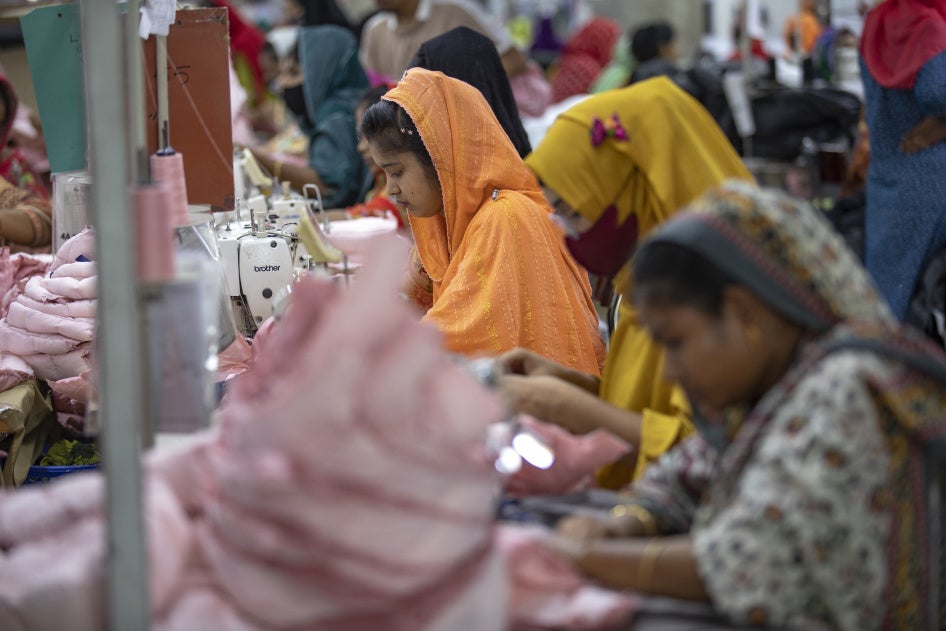
In Brussels, a new report puts a clear measure on what it means to end forced labor: workers must get back their wages, documents and dignity, not just see products removed from store shelves.
Human Rights Watch, civil society organizations and trade unions are urging companies to repair the harm when forced labor is found in their operations or supply chains. Their White Paper on Remediation of Forced Labour in the Private Economy describes steps businesses can take to prepare for complaints, deliver remedies and check whether those remedies have worked. The call comes as the European Union prepares a ban on products made with forced labor, due to take effect on December 14, 2027. The ban will cover all sectors and every stage of production.
The need is vast. An estimated 17.3 million people were in forced labor in the private economy in 2022, according to estimates by the International Labour Organization, Walk Free and the International Organization for Migration. The number of victims rose 8 percent between 2016 and 2021. The International Labour Organization estimates that forced labor in the private economy brings in US$63.9 billion in illegal profits each year.
The report argues that abuse is rarely caused by just a few bad actors. Poverty, discrimination, weak labor protections and restrictive migration rules can create conditions in which workers are trapped. Migrant workers face particular risks: recruitment fees can push them into debt, recruiters may deceive them, and visas tied to one employer can make it hard to leave. Fear of deportation or retaliation may also stop people from asking for help.
The groups say remedies should restore workers’ lives as far as possible to what they would have been without the abuse. That can mean stopping the harm, returning withheld wages and documents, providing rehabilitation and compensation, offering an apology, and taking steps to prevent the abuse from happening again. Workers and their representatives should help identify problems, shape solutions and judge whether the response is satisfactory. Companies must also protect them from retaliation.
That responsibility should not end with a supplier contract. The groups warn businesses not to “cut and run” when forced labor is found, since leaving can make workers’ situation worse. Instead, companies should agree fairly with suppliers on how to fix the harm and share the cost. They should also examine whether their own purchasing practices contribute to abuse, and pay enough to support decent working conditions and living wages. The report points to the Fair Food Program in US agriculture and the Dindigul Agreement in India’s textile sector as examples of worker-driven approaches.
Under the EU’s Corporate Sustainability Due Diligence Directive, companies covered by the law will have a duty to remedy harm they cause, wholly or in part. The report also calls on EU authorities enforcing the 2027 ban to check whether workers actually receive remedies, using workers’ accounts and evidence such as compensation payments. Workers should be able to seek support, file complaints and recover unpaid wages regardless of migration status.
“Workers know best what they have lost and what it will take to rebuild their lives,” said Hélène de Rengervé, a senior advocate at Human Rights Watch. The report’s central test is simple: judge a company’s response by what affected workers receive and whether the harm has truly been repaired.