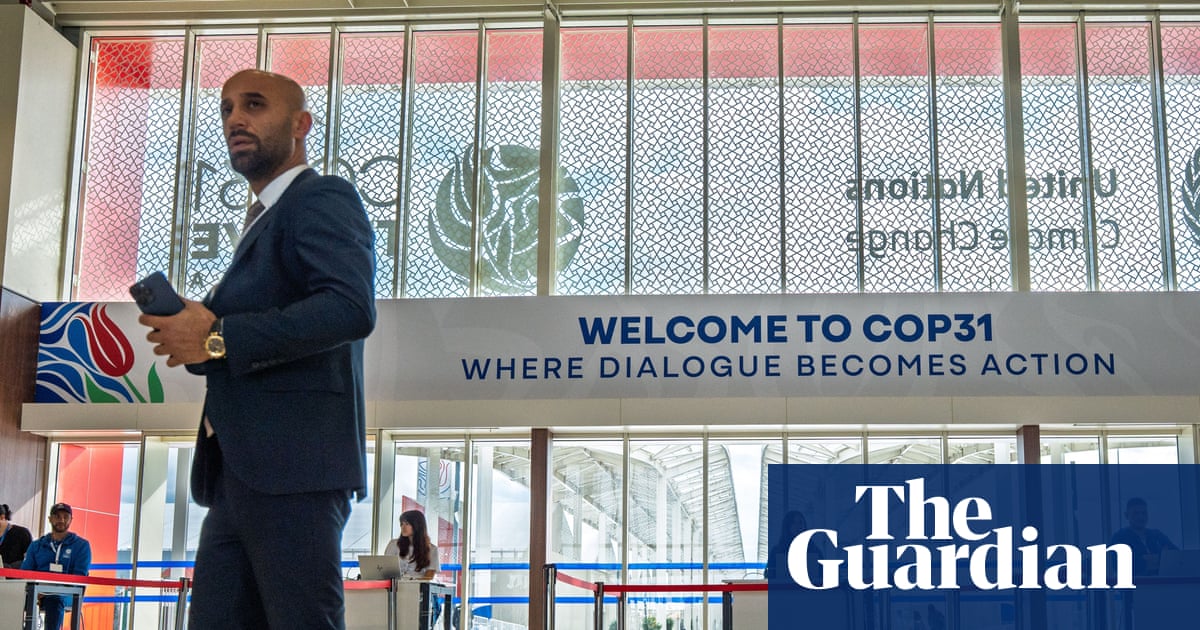
At Antalya’s Mediterranean edge, nearly 100,000 delegates have gathered for COP31, a climate summit where the central question is no longer what countries have promised, but whether they will follow through. The annual talks bring representatives from almost every country together, even as war, inflation and political divisions compete for attention.
The stakes are high. The United Nations has acknowledged that the world is set to pass the Paris agreement’s goal of limiting global warming to 1.5C within just a few years. Earth is also gaining heat at an accelerating pace, while emissions are falling too slowly and wealthy nations have not met commitments to help poorer, more vulnerable countries deal with climate impacts.
Still, the long record of climate talks shows that cooperation can matter. Since the first COP meeting in 1995, countries have used negotiations and pressure from their peers to reach agreements, including the Paris deal. Earlier projections put this century’s warming on a path toward 4C. The expected rise is now closer to 2.5C, helped in part by the rapid growth of clean energy. That would still bring severe harm, but it is less warming than the world once faced.
This year’s summit is being called an “implementation” COP: a test of whether countries act on promises already made rather than add more to the list. The meetings are being shared by Turkey and Australia, with Australian climate minister Chris Bowen leading the negotiations. At the opening, UN climate chief Simon Stiell warned that turmoil in fossil fuel prices has shaken the world economy, pushed up household costs and fueled inflation. Those pressures make it harder to keep climate action at the top of governments’ agendas.
There may not be a major agreement to end fossil fuel use. Oil- and gas-producing countries have the power to block decisions, and the source of much of the climate problem remains difficult to address directly in the talks. But summit organisers are hopeful that countries can agree to increase the share of electricity in energy use. The proposal could give the transition to cleaner energy a clearer place in the global agenda.
The summit’s limits are plain: another declaration will not cut emissions unless governments carry it out at home. And the 1.5C threshold is close to being crossed. Yet the shift from a projected 4C rise to roughly 2.5C shows that choices and policies can change the outlook. Over the next two weeks, the test in Antalya will be whether countries can turn that lesson into action—and keep working together when cooperation is under strain.