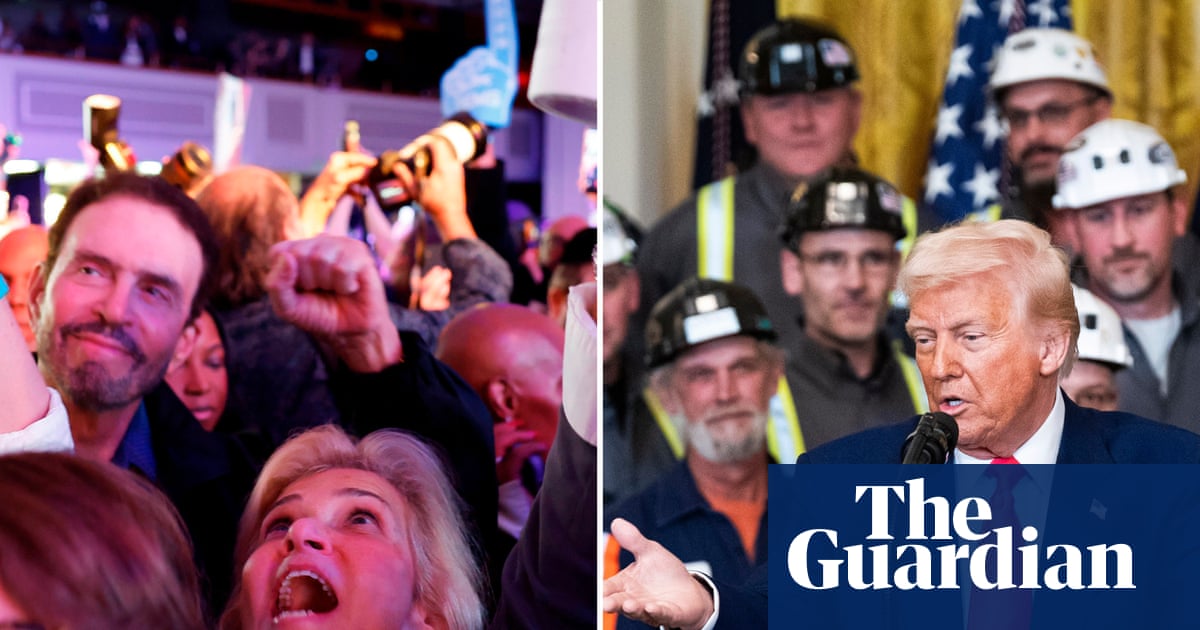
About 20 Democratic members of Congress are making their way to Antalya, Turkey, for Cop31 without the usual help from the US government. Their presence offers a modest sign of renewed hope at climate talks, even as President Donald Trump keeps the country’s official delegation away.
For the second year in a row, the United States will have no official government presence at the annual United Nations climate summit. The White House confirmed it would send no one, saying the meeting “rejects reality” by failing to recognize what it called the harm caused by “extremist climate policies.” Trump has called the climate crisis a “hoax” and “bullshit” and withdrew the US from the international climate framework.
The absence has practical consequences for the lawmakers attending. The roughly 20 Democrats were denied the usual State Department assistance for their trip and had to find philanthropic funding instead. Representative Sean Casten of Illinois said it was “insane” that they had to rely on private support to get there. He said Congress would need to preserve diplomatic ties at the talks and limit the damage until a different administration takes office.
The stakes are clear in the emissions figures. A recent United Nations report found that the United States was a “major exception” among the world’s 20 largest economies: while the others reduced or slowed their carbon pollution last year, US emissions rose by 133 million tons. The report links those emissions to the burning of coal, oil and gas, as Trump has backed fossil fuels, weakened pollution limits and slowed clean-energy projects.
But the midterm elections have changed the mood in Antalya. Democrats won control of both the House of Representatives and the Senate from Trump’s Republicans, raising hopes among delegates that the United States could return to climate cooperation after the Trump era. Mohamed Adow, director of Power Shift Africa, called the result the beginning of the end of that era and said it could open the way for the US to take climate action more seriously.
The election is not expected to change federal climate policy directly, said Susan Biniaz, a former longtime US climate negotiator. But she said it could lift the mood at a summit where nearly 200 countries spend two weeks negotiating, alongside public events and protests. Casten also cautioned that the US has been an unreliable partner on climate, while saying the election results made attending the talks feel more positive.
Cop31 cannot undo the pollution already released or settle what US policy will be next. Still, the Democrats’ trip keeps a channel open between American lawmakers and the rest of the world. For countries negotiating in Antalya, the midterm results offer a reason to look beyond the current absence and prepare for the possibility of renewed US engagement.