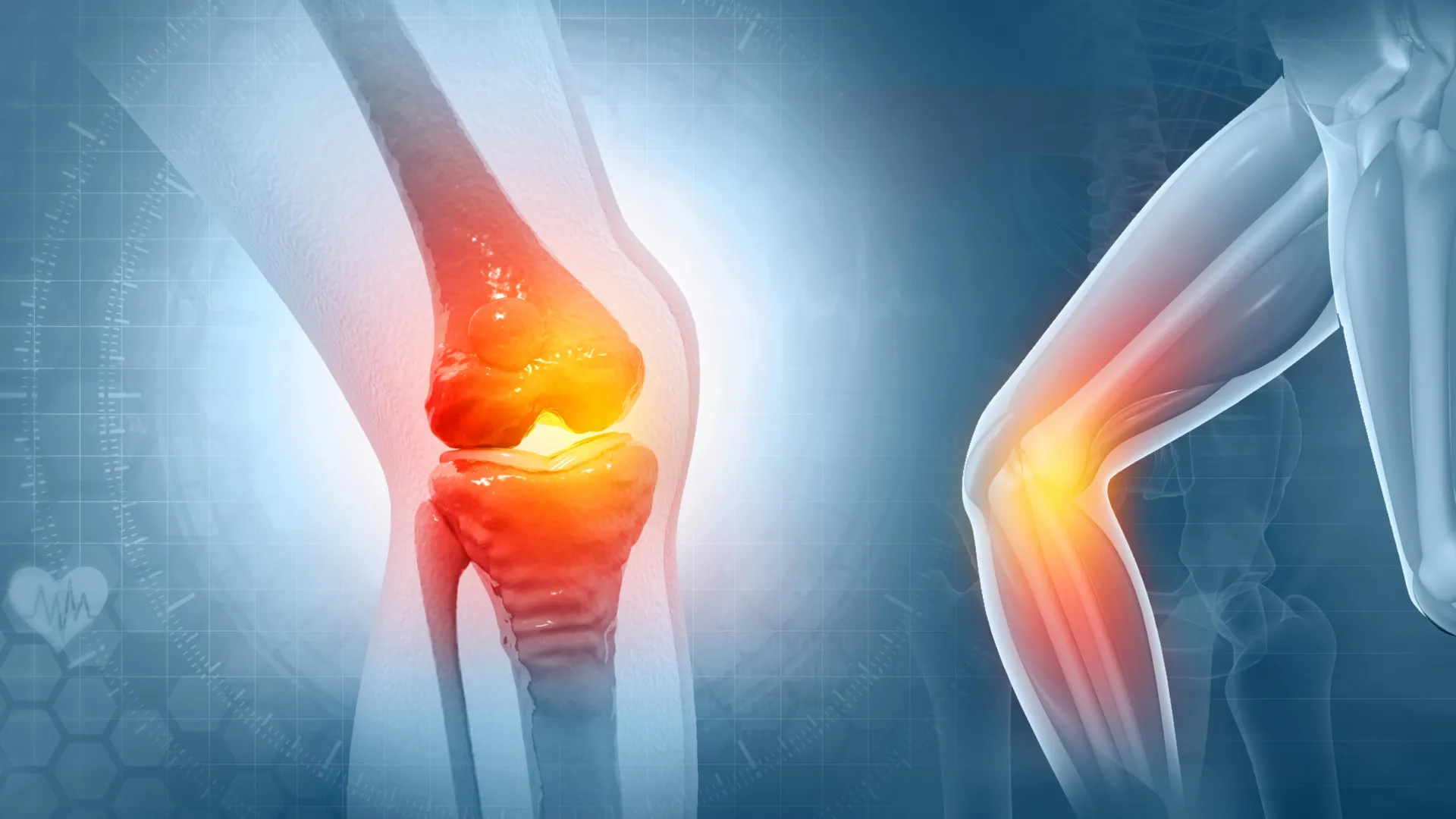
At 24, Ruby Cumming tore the ligament in her knee playing Australian rules football; years after surgery, even walking and taking public transport to work could be difficult. Her experience reflects a wider problem: recovery from a serious knee injury can remain hard long after an operation, especially for young adults whose pain and other symptoms persist.
A clinical trial led by La Trobe University researchers offers evidence that supervised exercise and education can help. The results matter because people who have ACL reconstruction face a heightened risk of knee osteoarthritis, a condition in which the joint becomes damaged and painful. About half of patients are dissatisfied with their knee health two years after surgery, and roughly half show signs of early osteoarthritis within a decade, often before age 40.
The trial, called SUPER-Knee, was run by La Trobe University's Sport and Exercise Medicine Research Centre. It focused on a gap in earlier research: whether exercise therapy paired with education could help people more than nine months after surgery, when they are often expected to have recovered. The researchers enrolled 184 adults aged 18 to 40 who still had knee symptoms one to three years after ACL reconstruction.
Participants were assigned either to a progressive exercise program or to a comparison group that received one education session. Those in the exercise group followed a four-month program guided by a physical therapist. Published in Annals of Internal Medicine, the findings showed better knee health and muscle strength, less pain and improved quality of life among people who completed the program.
Just as important, researchers found no evidence that the exercises harmed knee cartilage or worsened early osteoarthritis. That addresses a concern held by some patients and health professionals: that activity might further damage a vulnerable knee. The trial does not show that the program prevents osteoarthritis over the long term, but it does indicate that supervised exercise can help with current symptoms without accelerating the cartilage damage the researchers monitored.
Associate Professor Adam Culvenor, who led the study, said there had been little high-quality evidence to guide care for young people at risk of early-onset osteoarthritis after ACL surgery. He said the results could help update international rehabilitation guidelines. The program can also be used by local health professionals with minimal specialized equipment or staff training, which may make it practical to offer beyond specialist settings.
Cumming had surgery within six weeks of her 2019 injury, hoping to return to football quickly. Instead, her rehabilitation stretched on for years, and she decided not to return to contact sport. She described regular pain and difficulty walking, getting to work and living independently. Her experience helps show why care after surgery may need to continue for people who are still struggling well beyond the expected recovery period.
For those patients, the SUPER-Knee findings offer a clearer reason to keep exercise in the conversation. The next question is whether benefits last and whether this approach changes the risk of osteoarthritis over time. For now, the trial supports supervised exercise and education as a way to improve knee health without evidence of further cartilage harm.