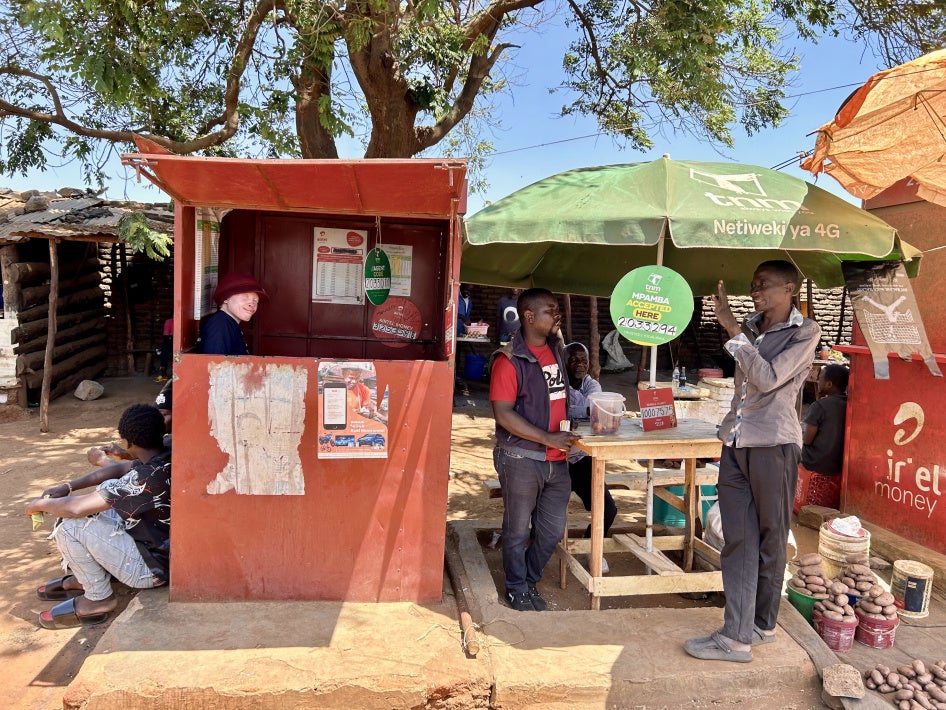
In Malawi, thousands of people with albinism have long faced a hidden crisis. While attacks and violence have rightly grabbed headlines, a quieter struggle has gone largely unnoticed: many cannot find decent jobs, access loans, or support their families. Now, the government is trying to change that.
On June 19, Malawi's government announced a new National Action Plan on Persons with Albinism, covering 2026 through 2030. The plan marks a significant shift. Instead of focusing only on stopping attacks and violence—which still happen—the new strategy tackles something many advocates say is just as important: economic exclusion.
People with albinism in Malawi often face barriers that keep them in poverty. Studies show they encounter discrimination when trying to get hired. Many workplaces are not safe or welcoming for them. Getting a loan to start a business is difficult. Some are left out of social security programs that help people who cannot work.
The previous national action plan, covering 2018 to 2022, focused mainly on protection from violence, justice, health, and education. It said little about jobs or economic fairness. The new plan goes further. It promises to expand vocational training, help people start their own businesses, and teach digital skills. It aims to improve access to microfinance, which is small loans that help people support themselves. It also calls for more jobs in both government and private companies, and for including people with albinism—particularly women and older people—in social security programs.
These ideas did not come from nowhere. The government gathered input from organizations run by and for people with albinism, civil society groups, the Malawi Human Rights Commission, and Human Rights Watch, an international human rights organization. Human Rights Watch gave detailed recommendations on economic inclusion and social security, and many of those ideas made it into the final plan.
Human Rights Watch and the Africa Albinism Network recently published a joint report showing how stigma and discrimination rob many people with albinism of decent work and financial security. The new plan is a direct response to those findings.
But experts caution that good ideas on paper do not always translate into real change. Malawi's earlier action plan showed that even committed governments can struggle when funding is tight and implementation is weak. The success of this new effort will depend on consistent political will, real involvement of people with albinism in decision-making, and enough money to get programs running.
If fully implemented, though, the plan could become a model for other African countries. Rather than only protecting people with albinism from harm, it would address the deeper inequalities that hold them back. That, advocates say, could be truly transformative.