Grandma Sherry brings Dakota words into the kitchen, sharing a cooking show with more than 260,000 TikTok followers. Her online audience is one sign of how Indigenous language leaders in Saskatchewan are using familiar digital tools to help keep their languages in daily life.
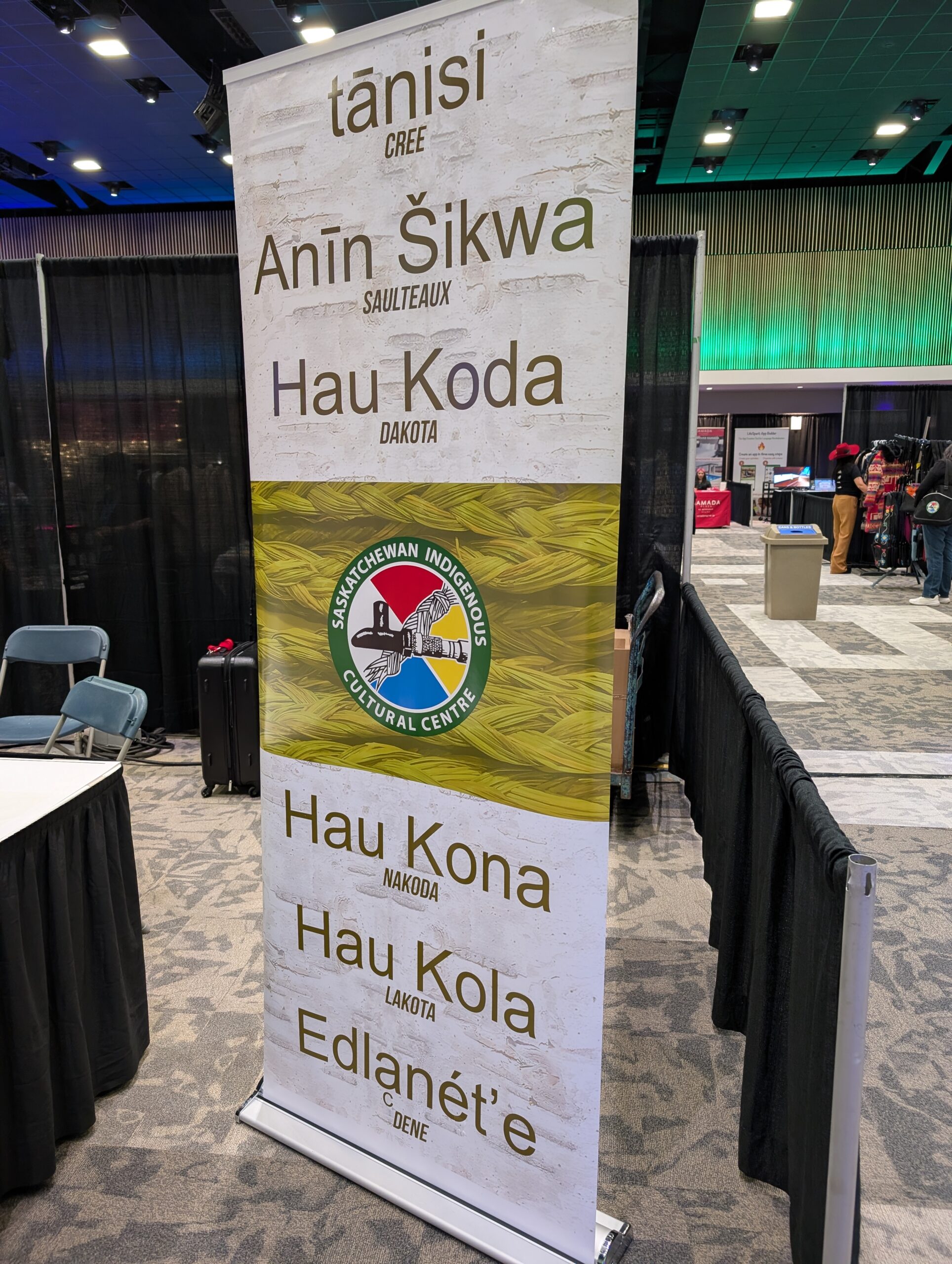
That shift was a focus of the Saskatchewan Indigenous Cultural Centre’s 2026 Language Keepers Conference, held Tuesday and Wednesday in Saskatoon. The annual gathering has taken place since 2006. It brings together roughly 600 people, including youth, elders and fluent speakers, to celebrate and support all eight Indigenous languages of Saskatchewan. They include three Cree dialects, as well as Dakota, Dene and Saulteaux.
Darlene Brander, president of the Saskatchewan Indigenous Cultural Centre, said the tools people use for language revitalization have changed over time. In the early days, she said, the internet was not as important. Now it has become a major resource for sharing and learning language.
Grandma Sherry was Tuesday’s keynote speaker. She runs a cooking show across social media platforms and incorporates Dakota into her videos. Brander said Sherry’s work stands out because she is a community member using social media to reach people in a way that feels rooted in everyday life. Her large following shows how an online platform can bring a language to viewers well beyond a conference room or a classroom.
The reach of social media does not mean technology can do the work alone. Brander said language revitalization needs many approaches, with relationships between generations at its heart. People can use online resources, she said, while also speaking with elders, grandparents and parents. Everyone has a role in keeping a language alive.
That balance matters because languages are not preserved only by recording words or posting lessons. They continue when people use them in conversations, family routines and community life. A cooking show can offer one inviting way into Dakota, while elders and relatives help pass on language through direct, everyday contact. Together, those routes give learners more chances to hear and use the words.
The conference’s mix of youth, elders and fluent speakers reflects that shared effort. It also gives language champions a place to exchange ideas as the ways people learn keep changing. Brander’s message was not to choose between digital tools and in-person teaching, but to make room for both.
As Indigenous language leaders keep exploring what the internet can offer, Grandma Sherry’s audience offers a striking example of how far a community voice can travel. The work still begins with people speaking and listening to one another—but increasingly, a phone screen can help carry those words farther.