When Whitney Henry was a kid, she was fascinated by how the body heals itself. Now she's trying to answer that question at the deepest level — and she just got a major boost to do it.
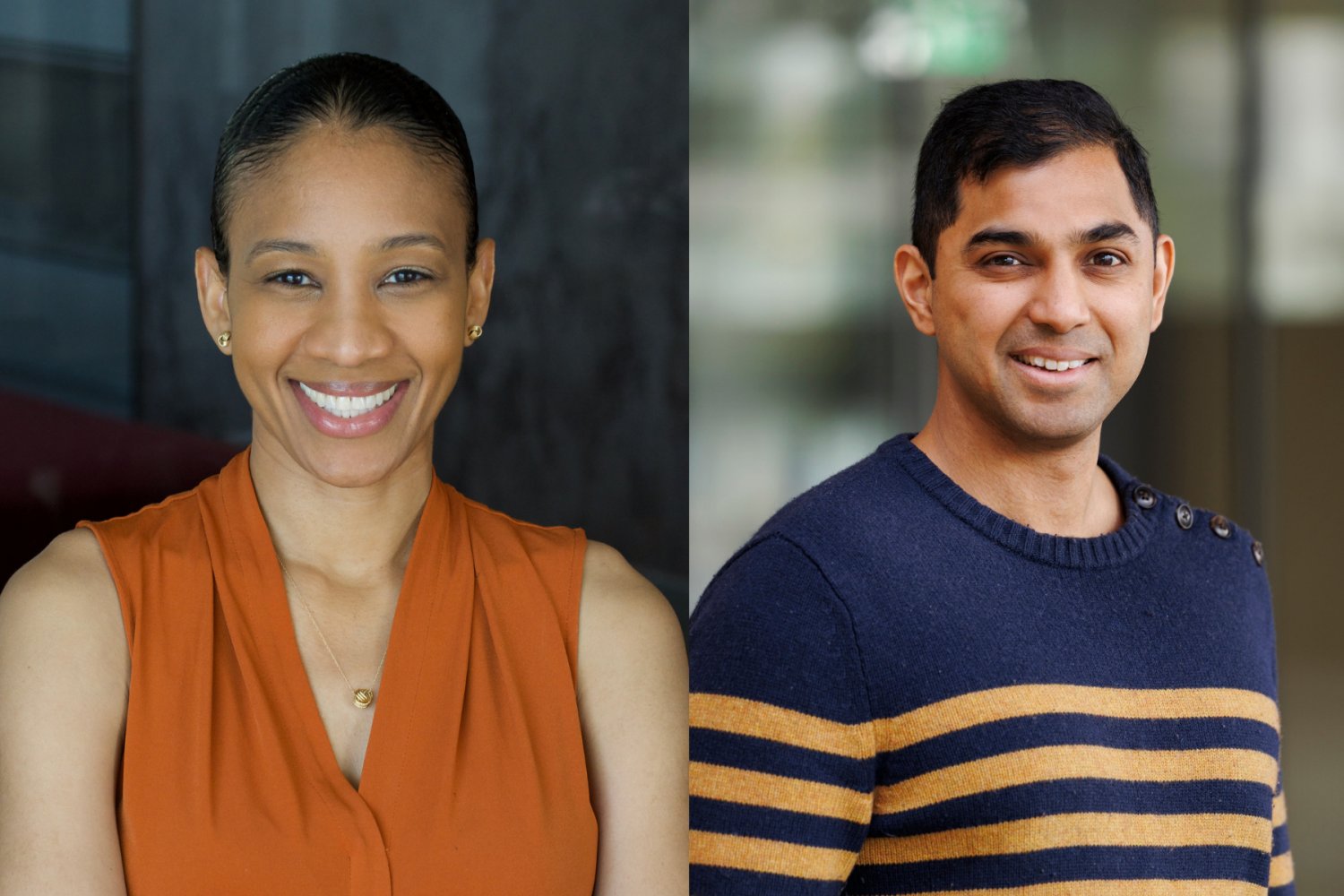
Henry, a professor at MIT, and Harikesh Wong, another MIT scientist, are among just 21 researchers across the country chosen as 2026 Pew Biomedical Scholars. The announcement came on June 16 from the Pew Charitable Trusts. Each scholar receives four years of funding to pursue cutting-edge research into human health.
Henry will study how a form of programmed cell death called ferroptosis affects the liver's ability to repair itself. Ferroptosis, first named only about a decade ago, is an iron-dependent process that can either help or harm tissues depending on circumstances. Henry's lab at MIT's Koch Institute wants to understand why some liver cells survive stress while others die — and how doctors might someday tip that balance to help patients recover from injury or disease.
Wong, meanwhile, is asking a different kind of question: How do groups of immune cells decide together whether to attack something or leave it alone? He explains that it's not like one cell making the call. Instead, it's more like a town hall meeting — lots of cells talking it over and reaching a group decision. Understanding this process could help scientists learn how to steer immune responses away from problems like autoimmune disease or chronic inflammation.
The competition for this award was steep. This year's class was chosen from 211 nominees, meaning roughly one in ten applicants made the cut. Since 1985, Pew has supported more than 1,000 scientists through this program, creating a network of researchers who meet annually to share ideas across different fields.
"Scientific discovery is moving at a rapid pace, and now more than ever we need curious and creative researchers leading the charge," said Lee Niswander, a former Pew scholar who now chairs the program's national advisory committee.
For Henry and Wong, the funding means freedom to follow bold questions wherever they lead — questions that might one day change how we understand and treat disease.