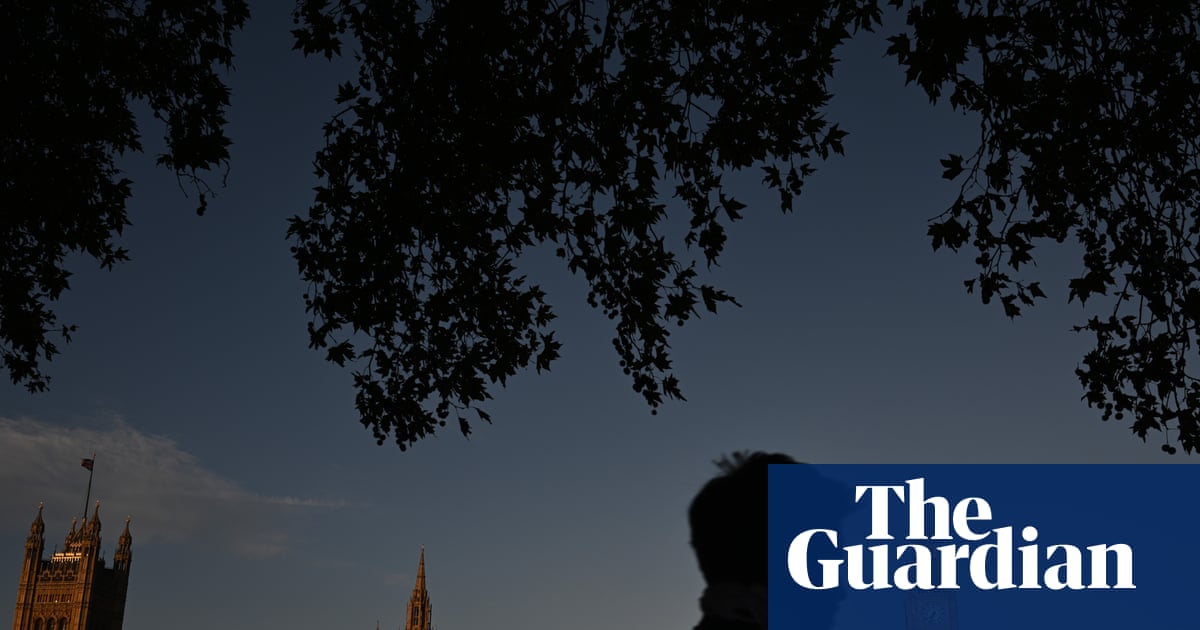
At the Palace of Westminster, where Britain’s laws are made, a three-year plan aims to make the workplace safer for women—and could require some people seeking a parliamentary security pass to undergo a criminal record check.
The UK Parliament is set to become the first legislature in the world to receive White Ribbon accreditation, a commitment to changing the culture that allows violence against women and harassment to take root. The plan, approved by the international White Ribbon movement, follows a cross-party campaign led by Emily Darlington, Labour MP for Milton Keynes Central, and backed by Commons Speaker Lindsay Hoyle and parliamentary staff. Its detailed measures have not yet been released, so the checks and training remain expected possibilities rather than confirmed rules.
Among the measures under consideration is bystander training. It teaches people to notice harassment and take steps to respond. The plan is also expected to set high standards for behaviour by MPs and peers. Political parties may be asked to agree that new MPs should have criminal record checks before they receive passes to work in Parliament. The proposals would cover MPs and others working at the Commons, though the final requirements are still to come.
The effort addresses a workplace long criticised for sexism and harassment. Parliament’s male-dominated culture, strict hierarchies and limited human-resources support can leave people—especially staff working directly for MPs and peers—with few ways to seek help. Female MPs and staff have also pointed to late, lengthy sittings and the presence of several bars across the parliamentary estate as factors that can worsen the environment.
The scale of the problem has appeared in surveys. In 2018, after reports of predatory and sexist behaviour by some MPs, nearly 20% of people surveyed in Parliament said they had experienced or witnessed sexual harassment. A specialist hotline set up to take complaints about what became known as the “Pestminster” culture received hundreds of calls. In a 2023 study, more than two-thirds of female MPs said they had witnessed sexist behaviour in Parliament.
White Ribbon began in Canada and grew from a national effort to oppose violence against women. The movement was established in 1991, two years after a gunman murdered 14 women at a university in Quebec in 1989, saying he hated feminism. Its accreditation asks organisations to commit to a three-year plan of action to prevent violence against women.
Darlington said Parliament should reflect the country’s values, adding that the plan was “a huge step” toward making it safe and welcoming for women and girls to work, visit and stand for election. She described the institution as a boys’ club for 300 years, saying it had not fully adapted to women’s presence. Conservative MP and shadow minister Ben Obese-Jecty called the plan “hugely positive,” while Liberal Democrat MP and party president Josh Babarinde said Parliament must keep challenging violence against women and girls.
The accreditation sets a framework, not an instant fix. Over the next three years, the challenge will be to turn its commitments into clear rules and practical support—and to make a safer Parliament part of everyday working life.