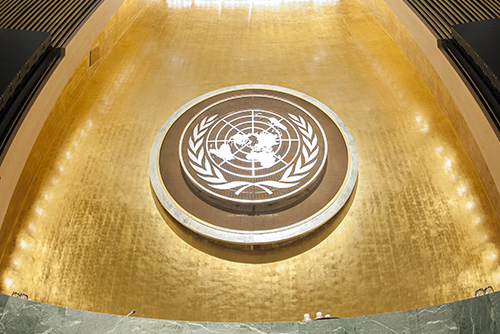
On a chilly December morning in Paris, history quietly unfolded inside a grand hall where diplomats from around the world gathered not for war, but for dignity. It was December 10, 1948, and the United Nations General Assembly had just proclaimed the Universal Declaration of Human Rights—a bold new vision for humanity rising from the ashes of World War II. This was no ordinary document. It declared, in simple and powerful words, that every person on Earth is born free and equal, no matter their race, religion, or origin.
The world had seen atrocities that shook the conscience of humanity. The Declaration was a promise: never again. Drafted by representatives from diverse legal and cultural backgrounds—from Lebanon’s Charles Malik to France’s René Cassin and Canada’s John Humphrey—it was designed to be universal. For the first time, fundamental rights like life, liberty, freedom from torture, and the right to a fair trial were laid out not for one nation, but for all.
The impact has been staggering. Today, the Declaration has been translated into more than 500 languages—from Inuktitut to Swahili to Luxembourgish—making it the most translated document in the world. It’s not legally binding, but its moral force is undeniable. It has inspired over 70 human rights treaties that now shape laws across the globe, from the International Covenant on Civil and Political Rights to regional protections in Africa, Europe, and the Americas. Every major human rights advancement since—from the fall of apartheid to marriage equality—can trace a line back to this one text.
One of its most powerful ideas is found in Article 1: "All human beings are born free and equal in dignity and rights." These 15 words have become a rallying cry for activists, students, and ordinary people demanding justice. From Nelson Mandela quoting it in court to schoolchildren reciting it in classrooms from Bangkok to Bogotá, the Declaration lives not in archives, but in action.
Today, as new challenges emerge—from digital surveillance to climate displacement—the principles of the UDHR remain a compass. Governments may falter, and rights may be threatened, but the Declaration endures as a shared standard of what it means to be human. It reminds us that progress is possible, not because it’s easy, but because people everywhere continue to believe in its promise.