Latest News
Positive stories from around the world · Good news by country
Showing 3097–3120 of 37370 articles

Twisted atomic layers slide spontaneously at room temperature in simulations
Researchers simulated twisted layers of molybdenum disulfide, a material made from molybdenum and sulfur. At room temperature, the layers can slide together over long distances with very little resistance. Missing sulfur atoms can pin the motion, turning it into small local movements. The work may help explain how defects affect motion in layered materials.
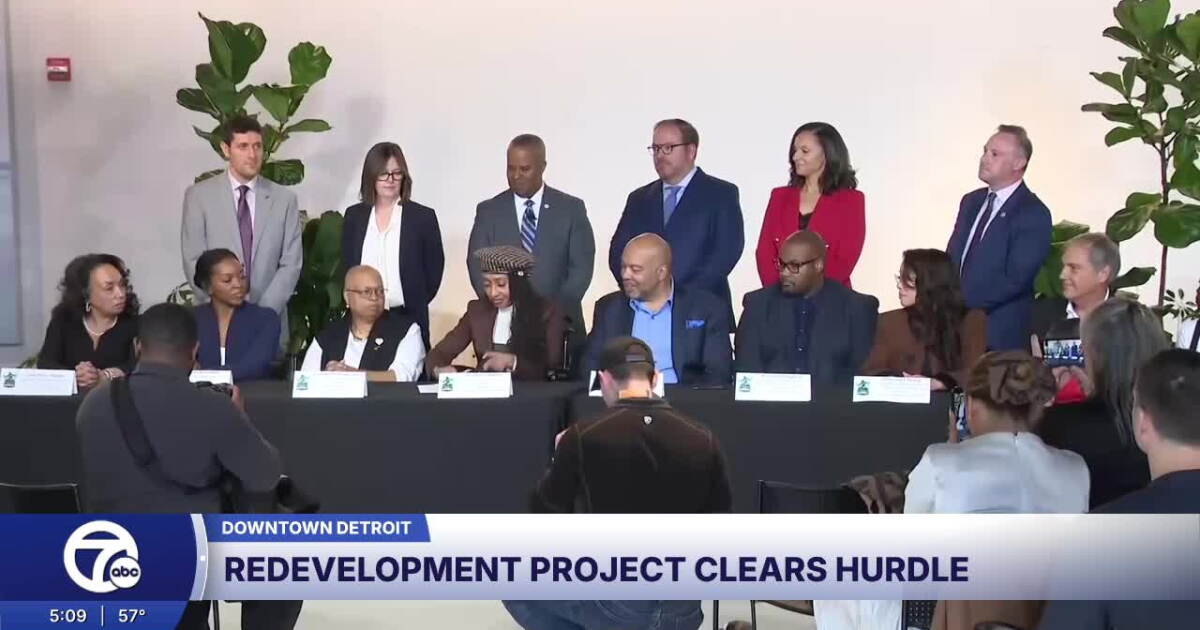
RenCen project: Neighborhood Advisory Council approves community benefits agreement
Eight of nine council members signed a letter supporting the agreement after about 11 weeks of talks with developer Bedrock. It promises $133 million for Detroit residents and programs over 30 years, with funding aimed at housing, small businesses, parking, and jobs. One member voted against it, and some residents said key concerns remain. The agreement now goes to a city committee for review.
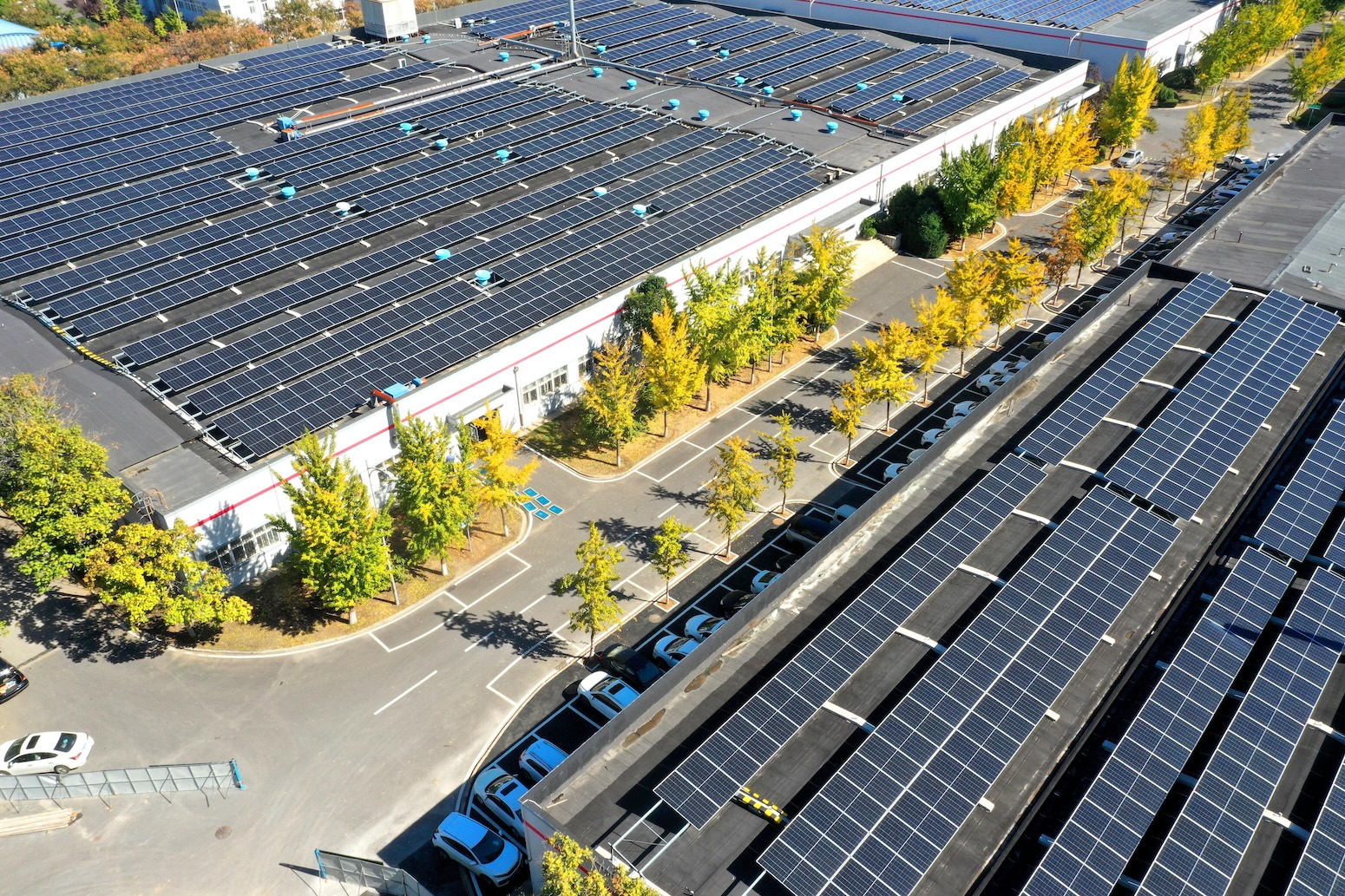
Analysis: China’s quarterly CO2 falls 3% in largest drop since Covid
China’s CO2 emissions fell 3.1% in the third quarter of 2026, the largest quarterly drop since 2022. Coal use fell 3% and oil use fell 4% from a year earlier. Solar, wind and nuclear power added 110 terawatt hours, while transport oil use dropped 9%. Electric vehicles also took a record share of car sales in September.

Solar kits are changing what disaster relief looks like
Solar kits are helping families and aid groups work when power lines fail. In Teknaf, Bangladesh, Mohammed Saber’s family has used a panel for six years. Solar power also supports a clinic in Karachi and water filters in South Sudan. Hope For Ukraine says it has distributed thousands of kits, but many families are still waiting.

Laser-plasma accelerator could generate bright X-rays for biological imaging, simulations show
Researchers used computer models to test a compact way to make soft X-rays. The light falls in the 2.3 to 4.4 nanometer range, called the water window, where water is mostly clear but key parts of biological molecules absorb the light. The team says the accelerator could make bright flashes in just a few meters. Experiments are planned to test the idea.
The palaeo cave art that hid in plain sight for 26,000 years
Hundreds of engravings have been identified in a cave that people have visited for years. They were hidden in plain sight for about 26,000 years. Some marks appear to show animals or figures in motion, offering a new glimpse into ancient art. The source summary does not name the cave or its location.
In Vivo CRISPR Base Editing of <i>ANGPTL3</i> for Durable Lipid Lowering
Researchers used CRISPR base editing to target ANGPTL3 inside the body. The study focuses on durable lipid lowering, meaning a lasting drop in blood fats. The title does not provide details about the results, participants, or treatment risks.
Cholera bacterium’s good deed: inspiring a glue with rare properties
A protein made by the cholera bacterium inspired a new adhesive that can bond strongly underwater. The article describes the glue's unusual ability to hold in wet conditions. The source provides no details on where it was developed or on its performance figures.
These AI agents design your perfect robot-powered lab — and run it for you
A team built AI agents that simulate a lab filled with robots and scientific instruments. The agents test how the workspace will function before it is set up. They then direct the lab’s operations. This could help researchers run experiments with less manual work.
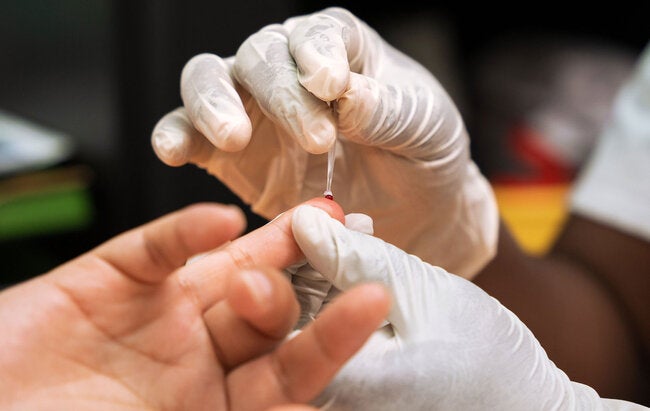
New PAHO plan aims to accelerate malaria elimination in the Americas over the next four years - PAHO/WHO | Pan American Health Organization
The Pan American Health Organization has presented a plan to speed up malaria elimination across the Americas. It was announced in Brasilia, Brazil, on November 6, 2026. The plan covers the next four years, but the short report does not describe its specific actions or targets.

Brazil approves energy transition plan, targets lower dependence on fossil fuels - BNamericas
Brazil’s National Energy Policy Council approved a plan to guide the country’s shift to cleaner energy. A roadmap will set out how to reduce dependence on fossil fuels while protecting energy security and jobs. New working groups will develop plans for electric transport and energy from waste. The government also reports 381,609 electric or hybrid light vehicles registered from January to September 2026.
Daily briefing: Ancient cave art found hiding in plain sight
A Nature briefing reports rock art hidden in plain sight inside a cave in Spain. The art dates back 26,000 years, offering a glimpse into ancient life. The briefing also discusses flexible work policies and language history, but gives few details on those topics.
Population Dynamics and Conservation Implications of the Naturally Rewilded Milu Deer in Dongting Lake
China's Milu deer were reintroduced beginning in 1985. Some now live naturally around Dongting Lake, offering a chance to study a rewilded population. The article focuses on population patterns and the conservation steps needed to protect the deer.

The best places to volunteer this Thanksgiving: 17 options for every schedule
Seventeen volunteer options can help people across the United States this Thanksgiving. National groups offer food packing, meal delivery, toy drives, and support for military families. Local choices include soup kitchens, shelters, and park cleanups. The article also urges readers to consider helping throughout the year, when organizations often need steady support.

Land plants' closest algal relatives evolved multicellular growth repeatedly, genetic analysis suggests
A team led by the University of Göttingen studied more than 100 species of Zygnematophyceae, the closest living algal relatives of land plants. Their genetic analysis suggests the group's ancestor was single-celled. Filament-like growth then evolved independently several times. The results offer a clearer view of the deep history behind land plants.

Paired DNA strands recognize shape, not just sequence, in new small-molecule sensing method
EPFL researchers developed a sensing method that uses two short DNA strands, called aptamers. One strand binds to a small molecule, while the other recognizes the shape it takes after binding. The team found matching strands for serotonin, testosterone and DOG. A proof-of-concept paper test detected serotonin with a result visible to the naked eye.

Underwater cameras can estimate fish weight in real time without generating full depth maps
A research team led by Sultan Qaboos University developed StereoGeoBox to estimate fish size and weight underwater. It uses two cameras and artificial intelligence to detect fish, then predicts weight from their dimensions. Tests with tilapia found estimates close to manual measurements, and the system worked in real time. More trials are needed before it can be used across commercial fish farms.

New placenta-on-a-chip model allows engineers to study effects of environmental toxins
Researchers at the University of Pennsylvania built a tiny device that imitates how a human placenta works. It uses living human cells and flowing fluid to model the exchange between maternal and fetal blood. Tests found that low cadmium exposure reduced glucose transfer and hormone production, even when most cells stayed alive. The model could help scientists study toxin risks without testing them directly in pregnant people.

Pinning down the structure of quark-gluon plasma, the universe's first fluid
Researchers at MIT and UC Santa Barbara built on Einstein's ideas to describe how near-light-speed particles are pushed and pulled by a fluid. Their theory could help predict how heavy quarks move through quark-gluon plasma. Comparing those predictions with collider experiments may reveal the plasma's tiny-scale structure, similar to matter just after the Big Bang.
EU to push for accelerated global climate action at COP31
The European Union says it will work with international partners to speed up climate action at COP31. The UN climate conference is scheduled for 9–20 November 2026 in Antalya, Türkiye. The EU says the effort will support the goals of the Paris Agreement.
Commission preliminarily finds TikTok's ‘For You' feed in breach of Digital Services Act for harmful ‘rabbit holes' effect
The European Commission has preliminarily found TikTok in breach of the Digital Services Act. It says the app's For You feed can guide users toward harmful content in a repeating loop. The finding is an early step, not a final ruling. The Commission announced it in Brussels.
EU and India conclude negotiations on association to Horizon Europe
The European Commission and India have concluded negotiations on India’s association with Horizon Europe. The programme supports research and innovation across Europe. The agreement could give Indian researchers a formal way to take part in its work. The release does not give a start date or further terms.

Leaf nutrient balance helps explain earlier fall color in US forests
Researchers at Duke University found that the balance of nutrients in leaves affects when fall color begins. The study focused on US forests. Better forecasts could help track when leaves drop and improve estimates of how forests store and release carbon.

Plastic bags and bottles become industrial-strength adhesives through new upcycling method
A new upcycling method turns common plastics, including polyethylene and polypropylene, into industrial-strength adhesives. These plastics are often used in bags, bottles, and packaging. The approach could help reuse some of the huge amount of plastic made each year instead of sending it to landfills or incinerators.